We’re Flying!

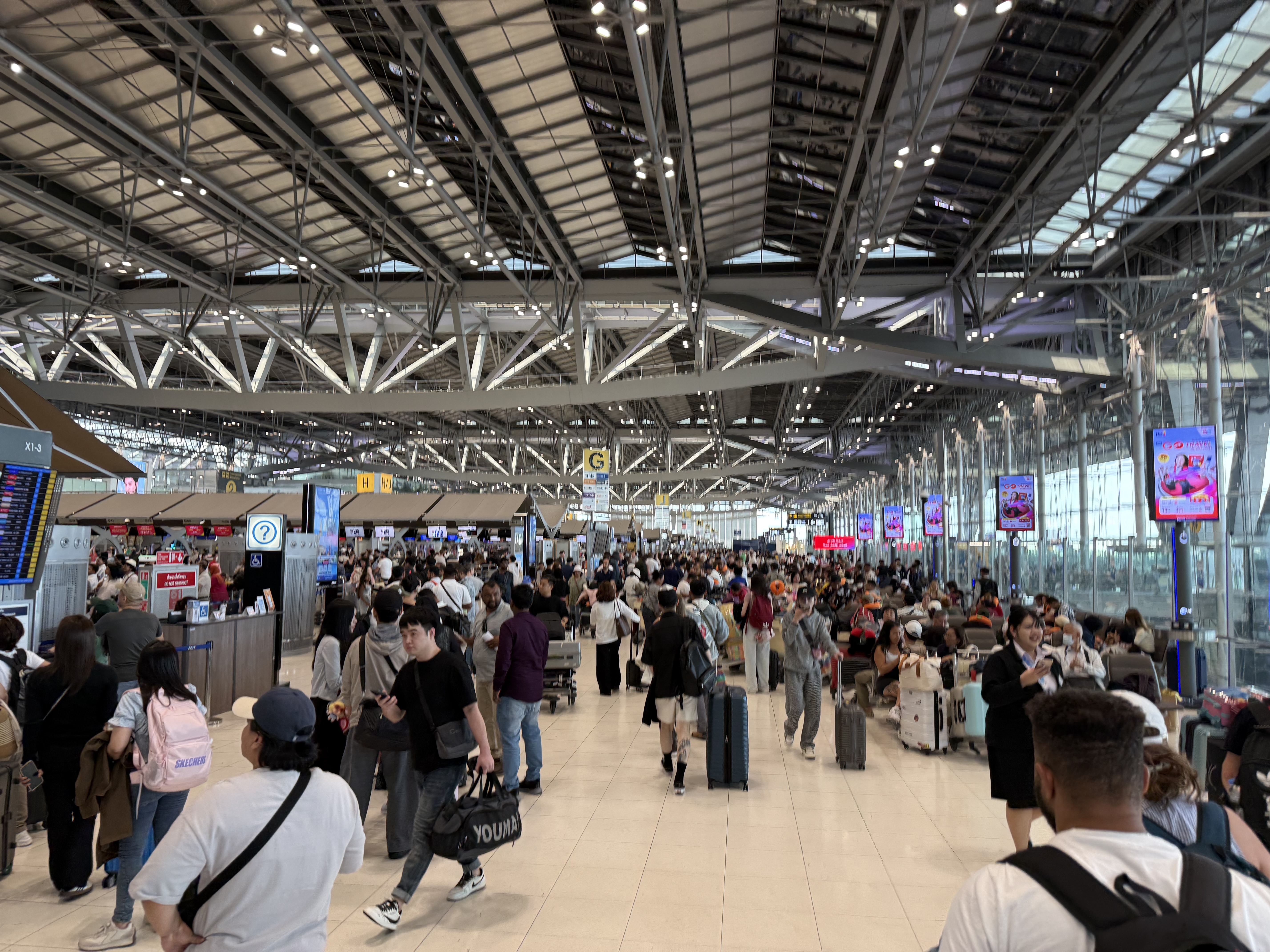
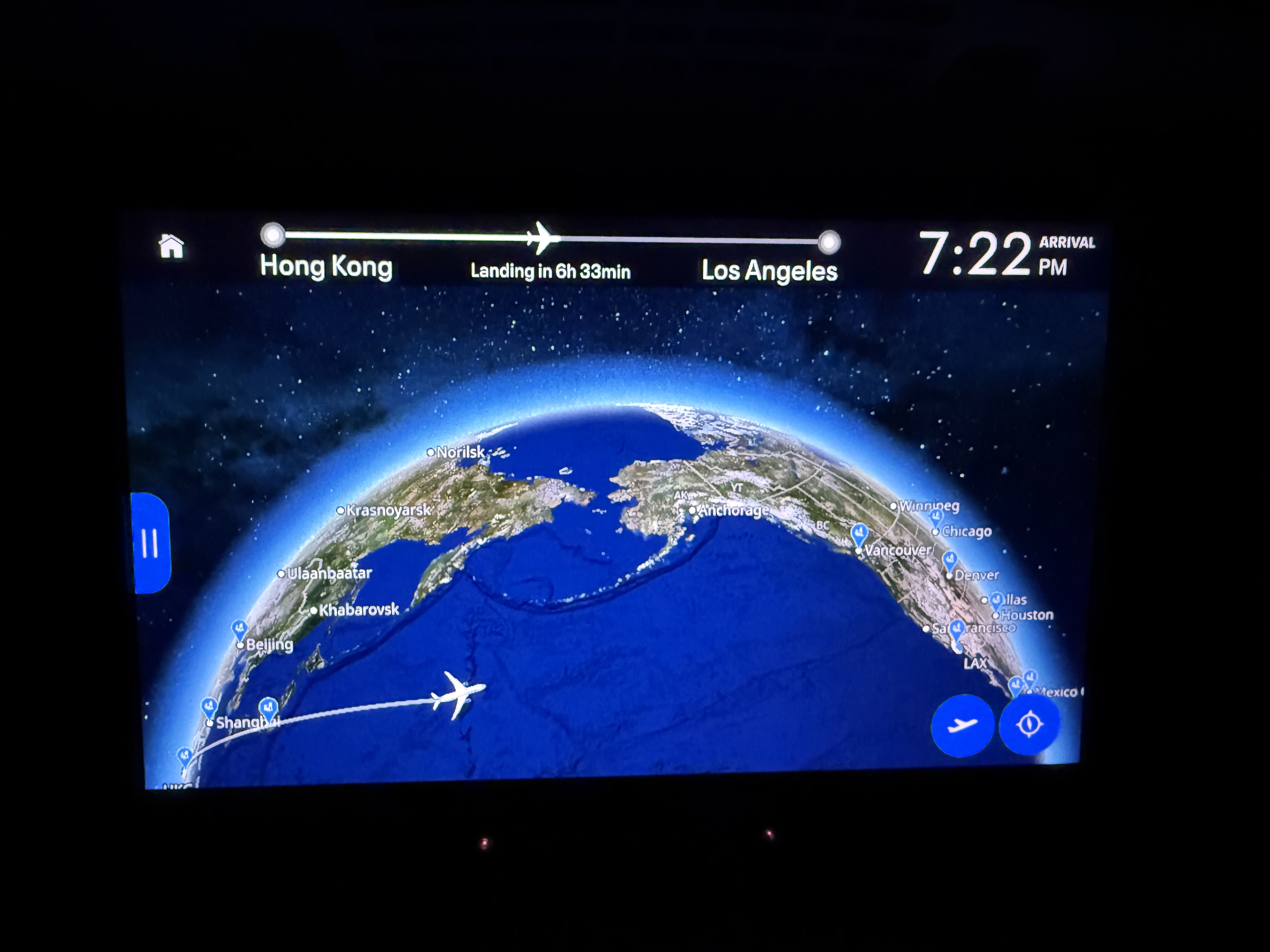
A 3:30 AM alarm is a shock to wake up to, and it’s all good. Our 5:45 AM flight to LAX was lightly attended, and once we made it to LAX, we walked to Terminal 7 to wait for our flight to Hong Kong. While a 4-hour wait is a long one, I’ve always been of the opinion that having too much time to wait is NOT a bad thing when traveling across the globe.

In terms of that travel, I’ve heard a lot about TSA in the past few weeks, AND the process was smooth, and the people were professional. I’m so impressed by this workforce working under challenging conditions to do their essential jobs…a shout out to TSA on this travel day!

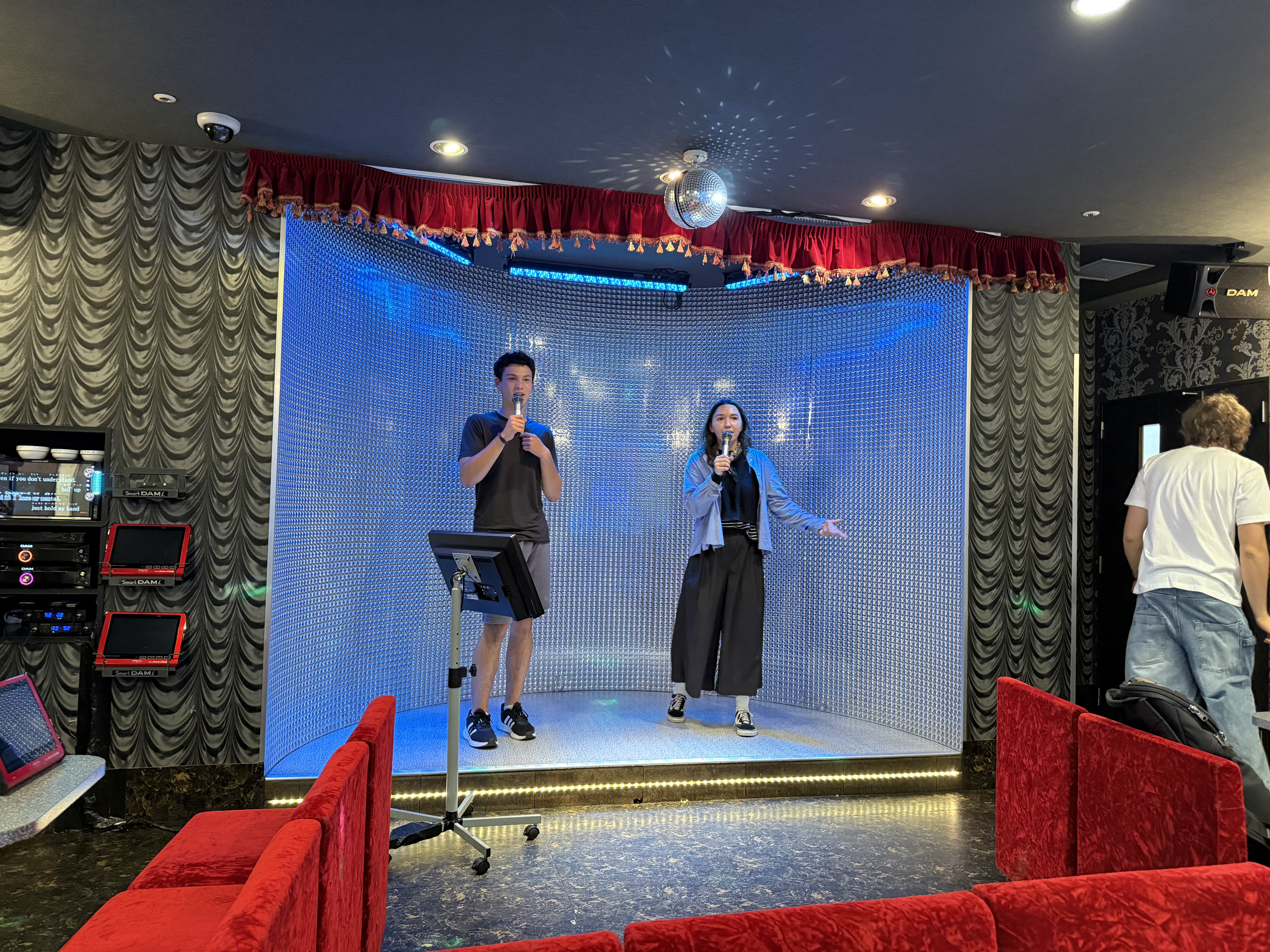
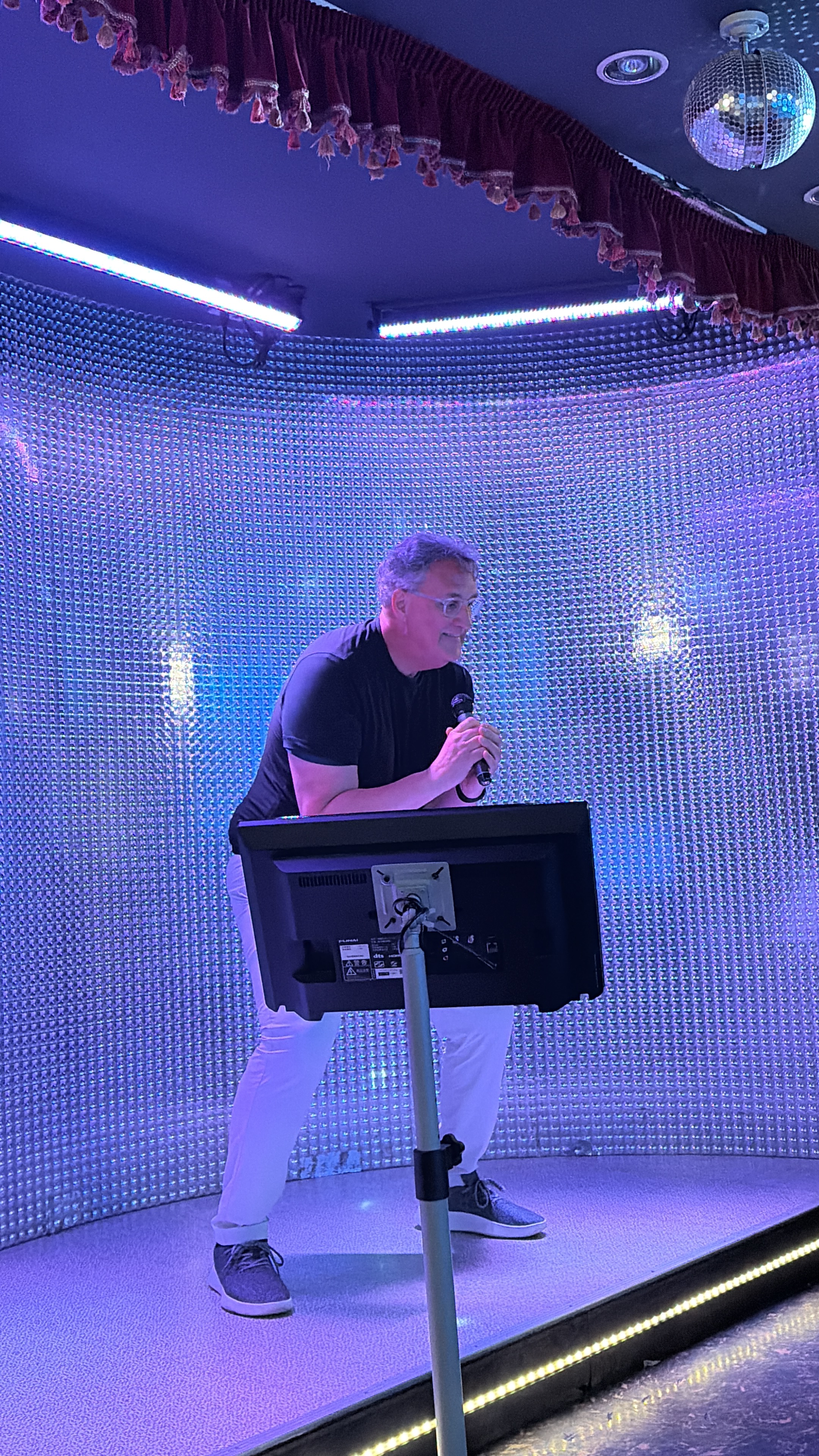
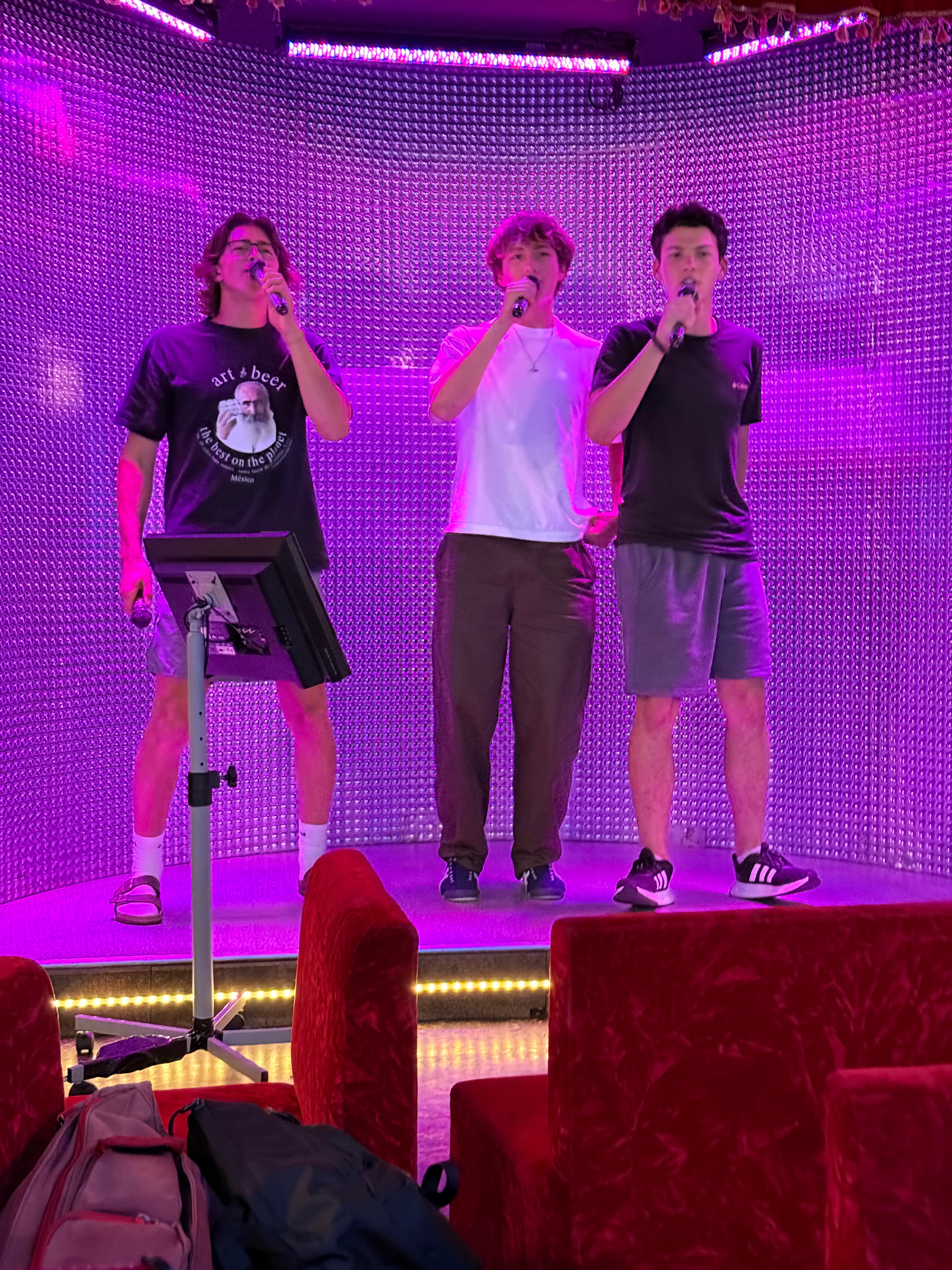
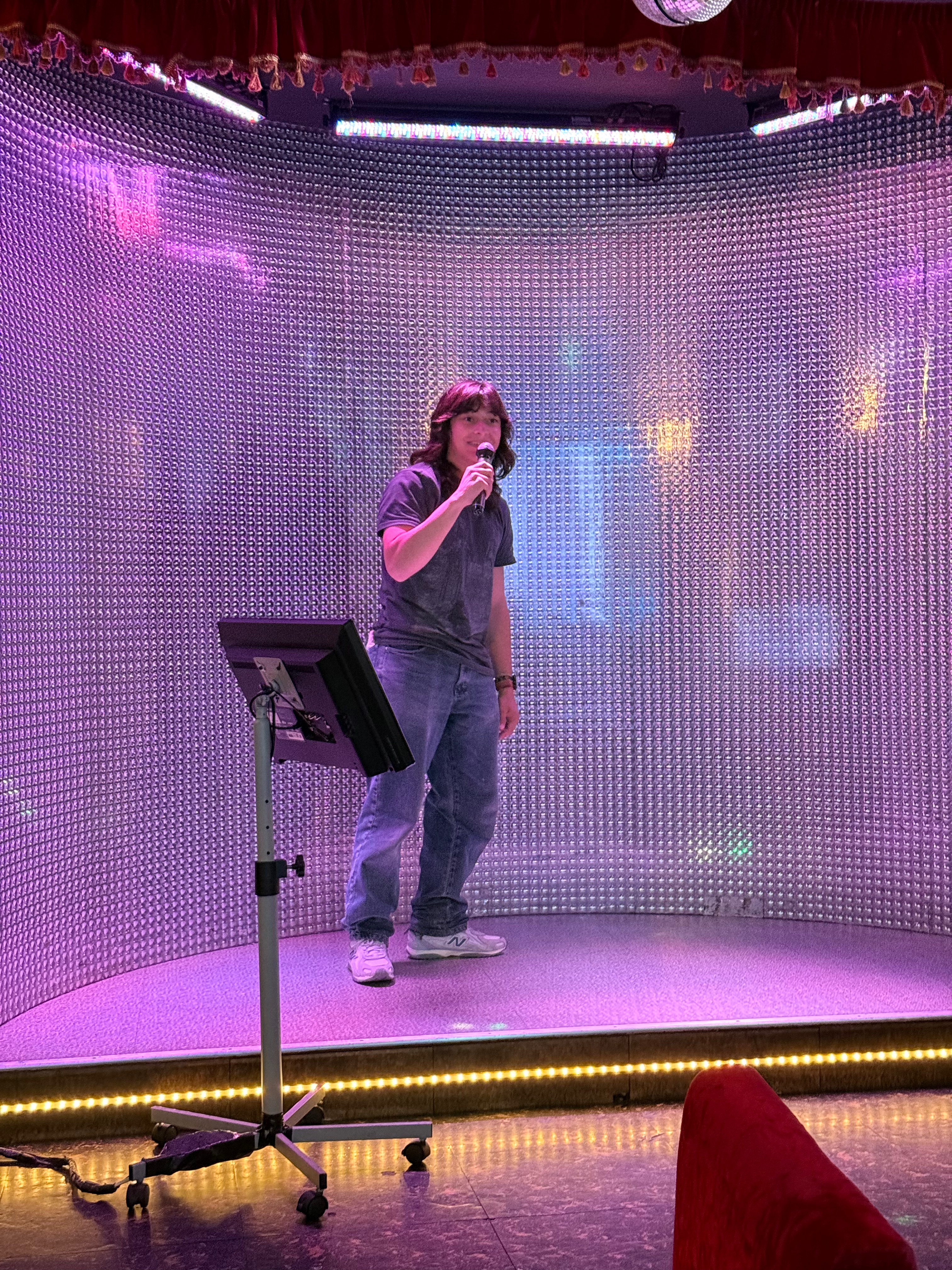
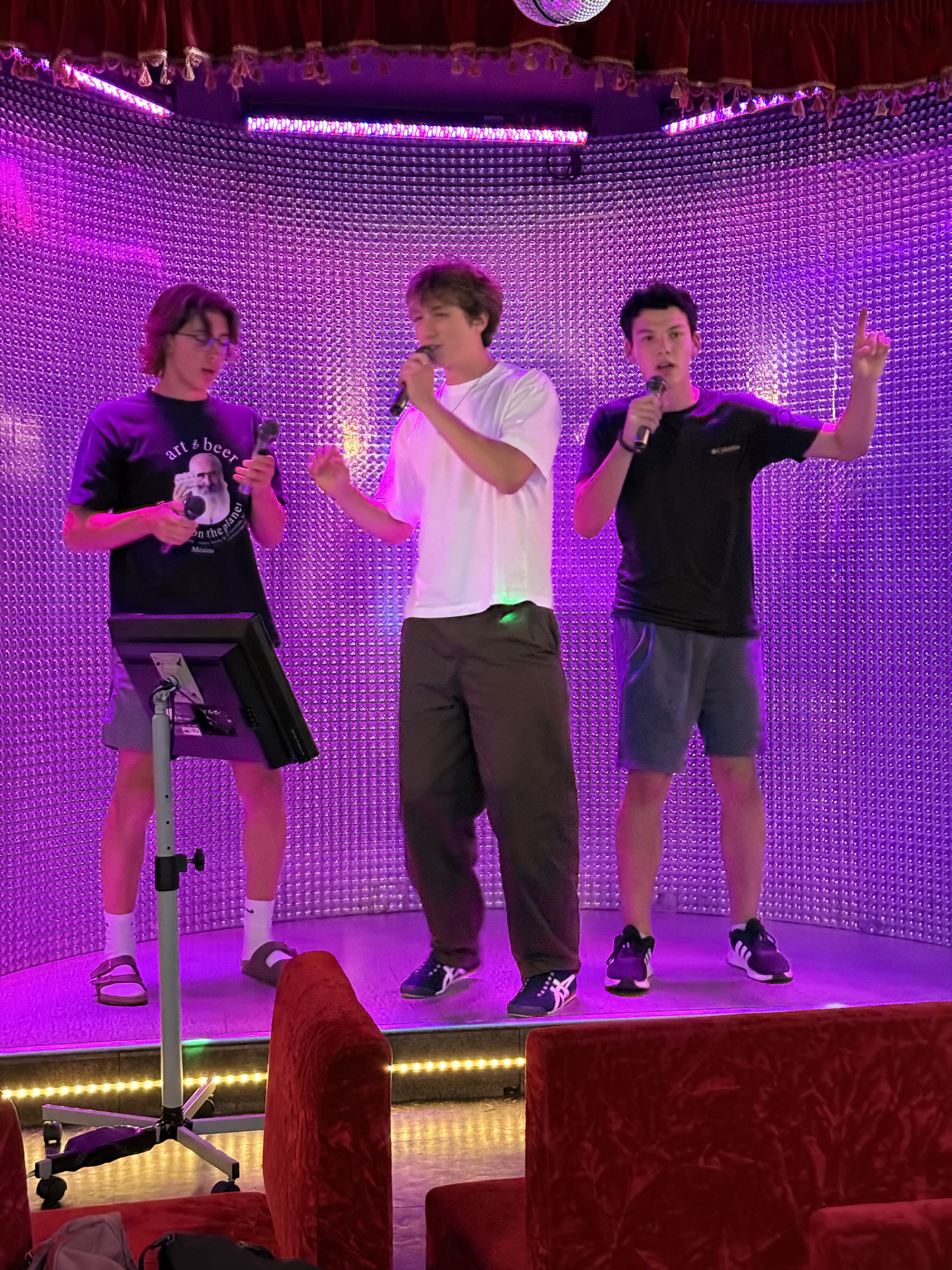
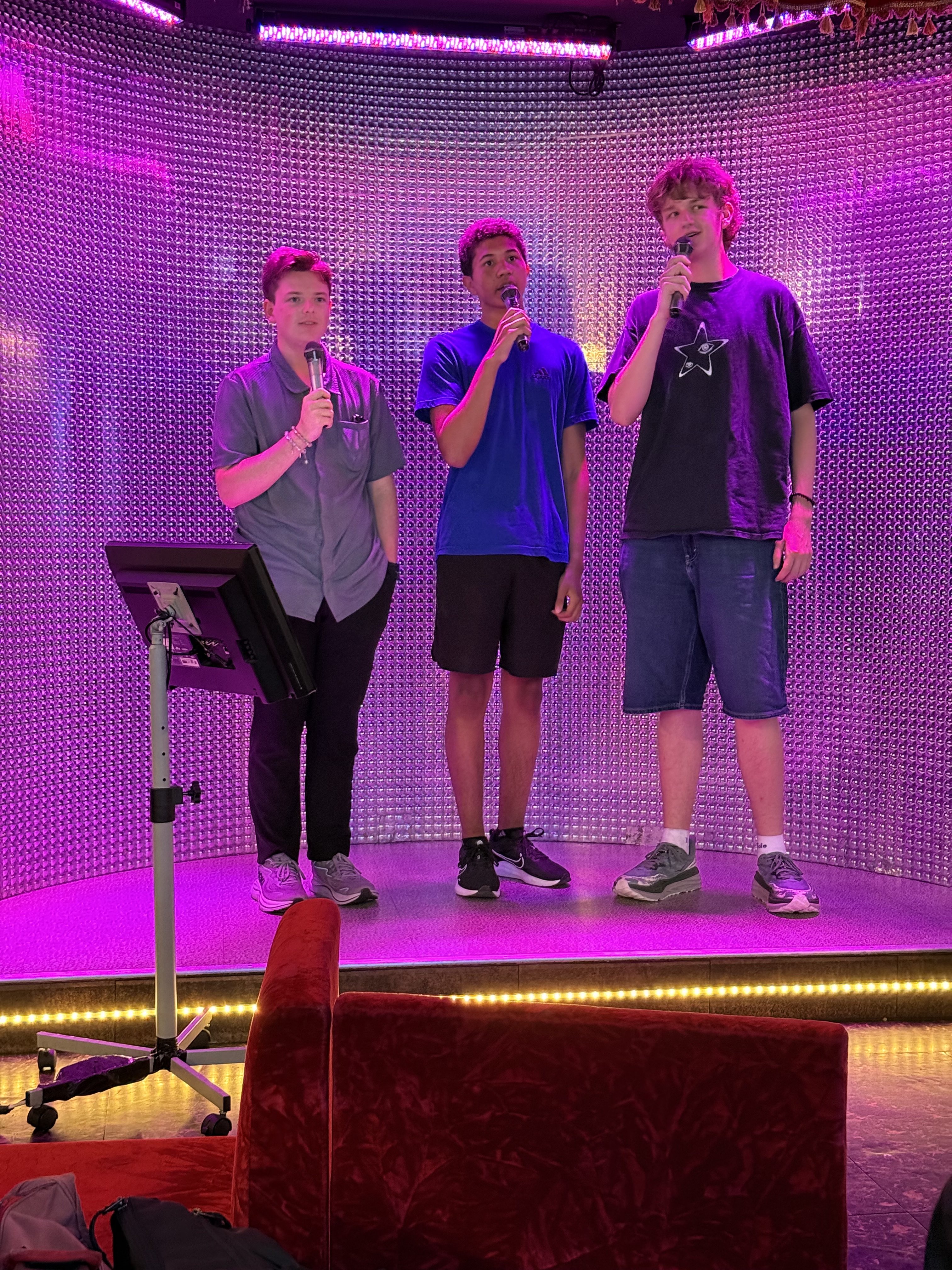
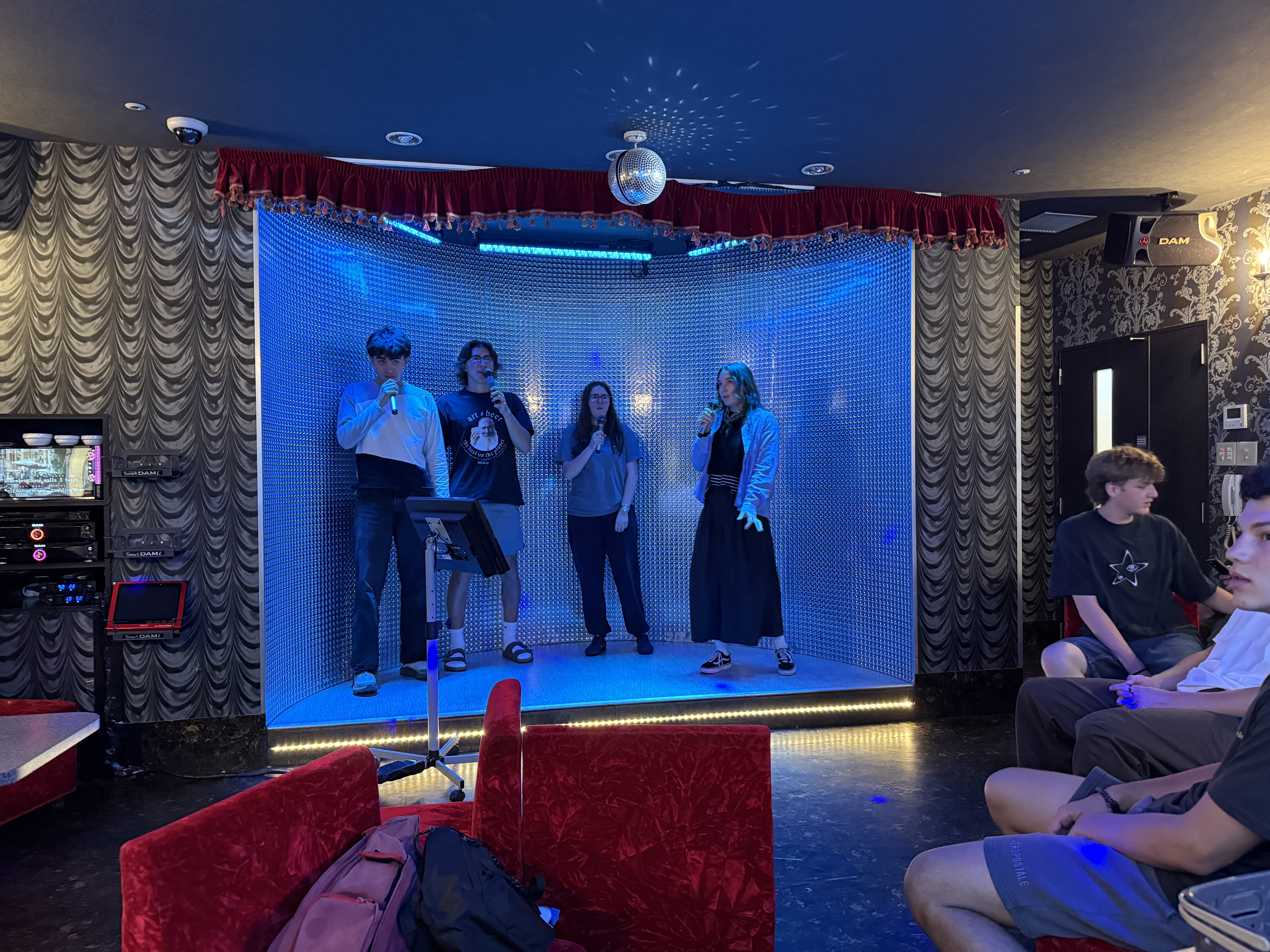
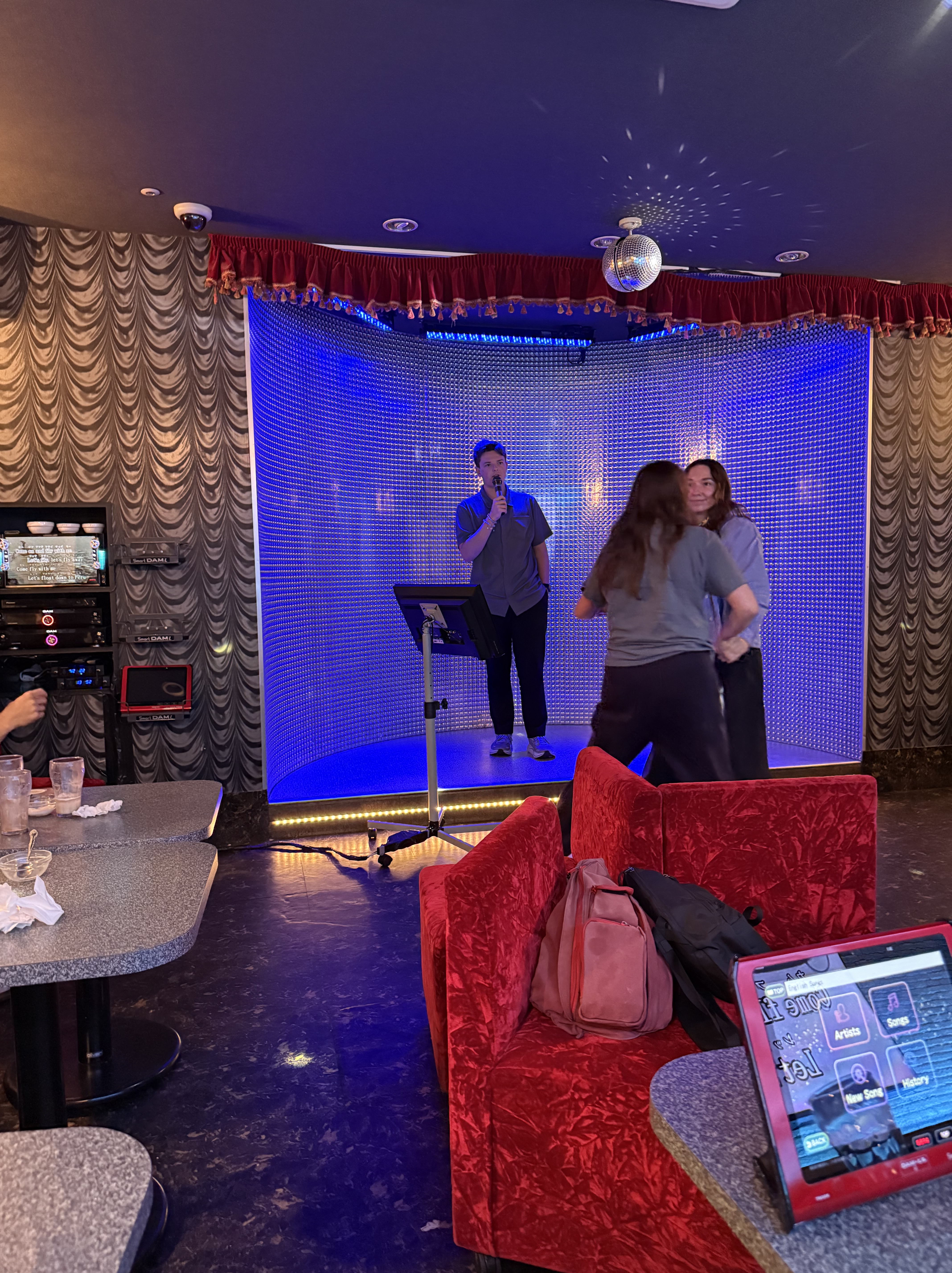
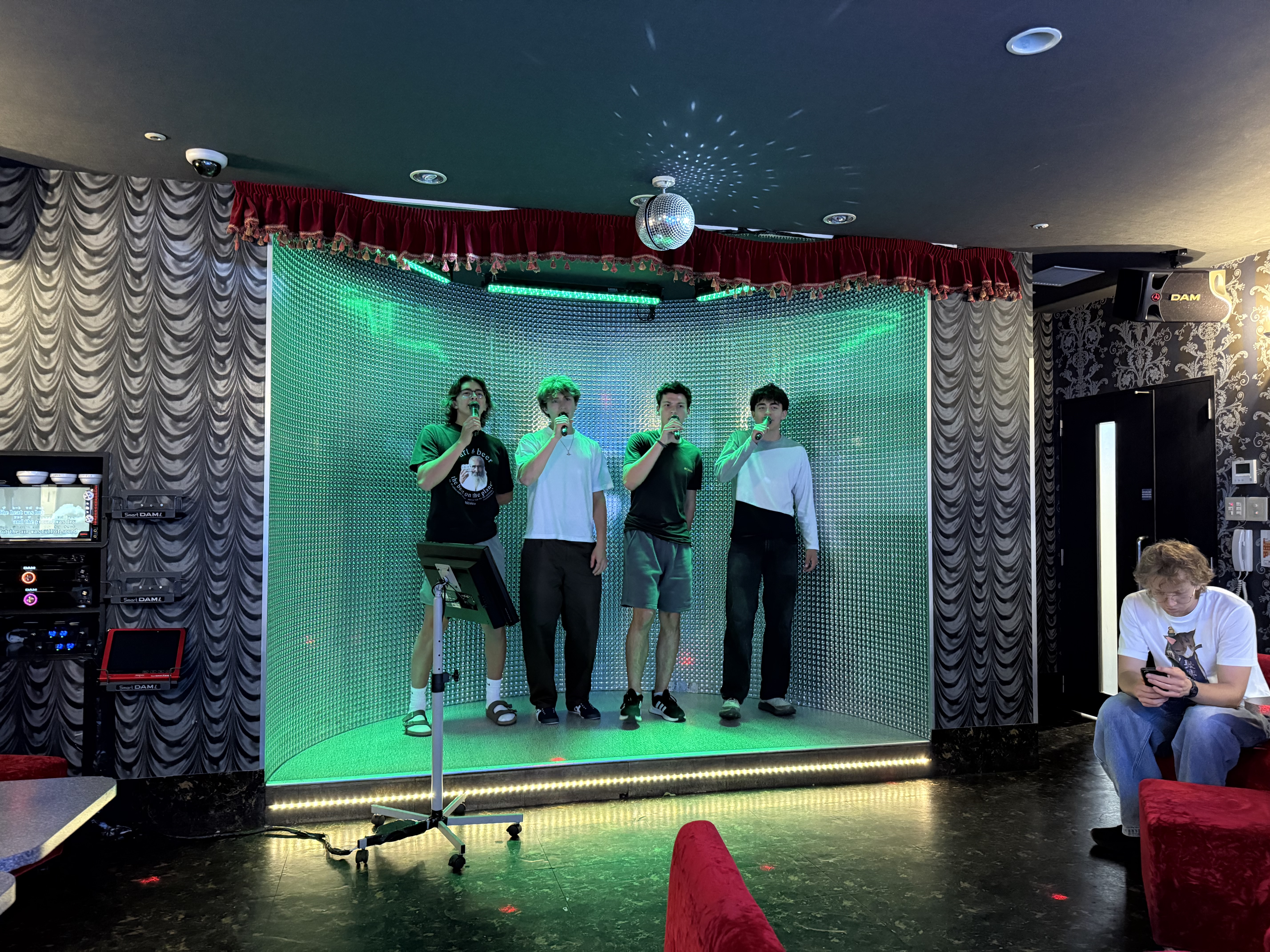
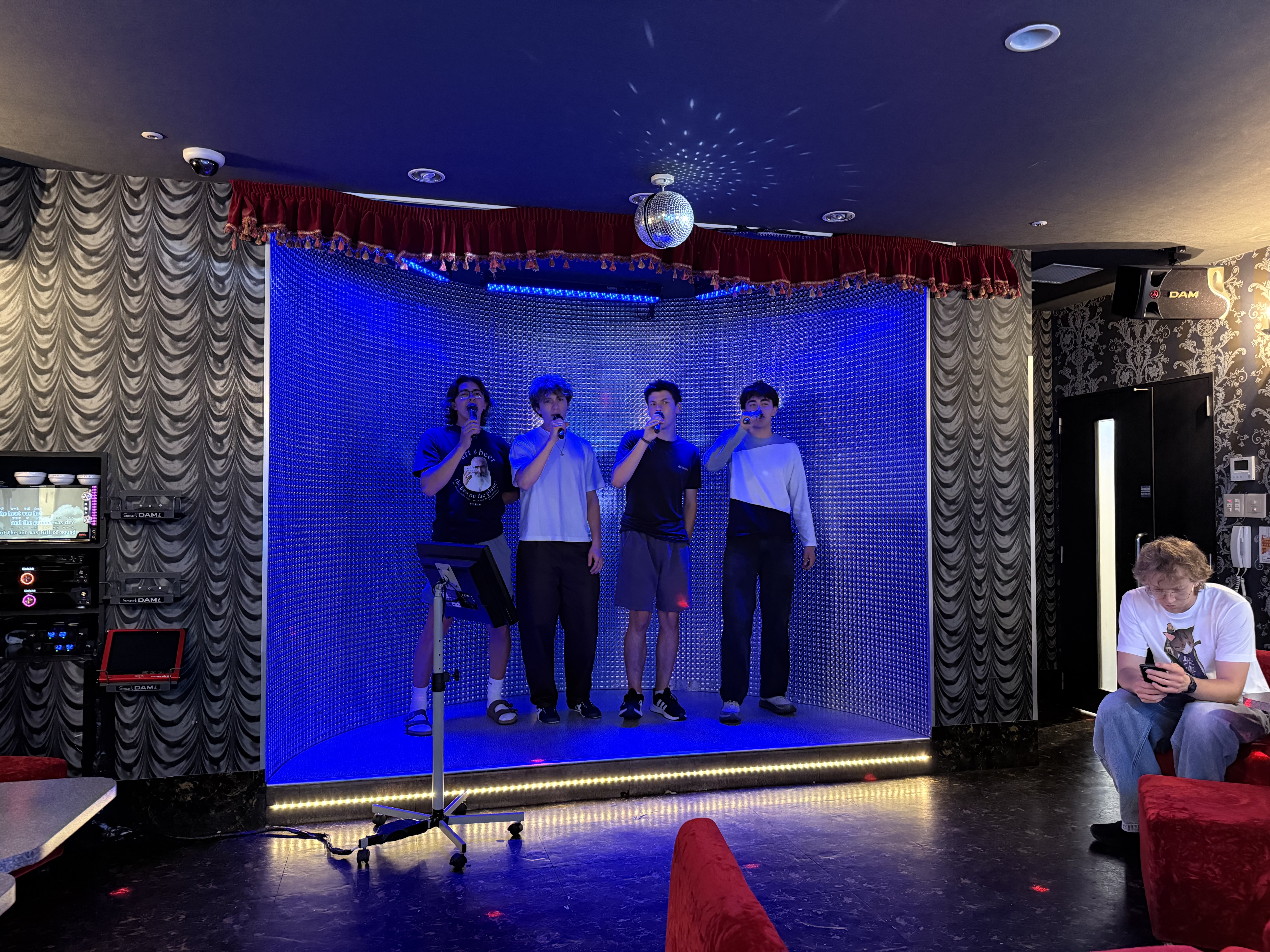
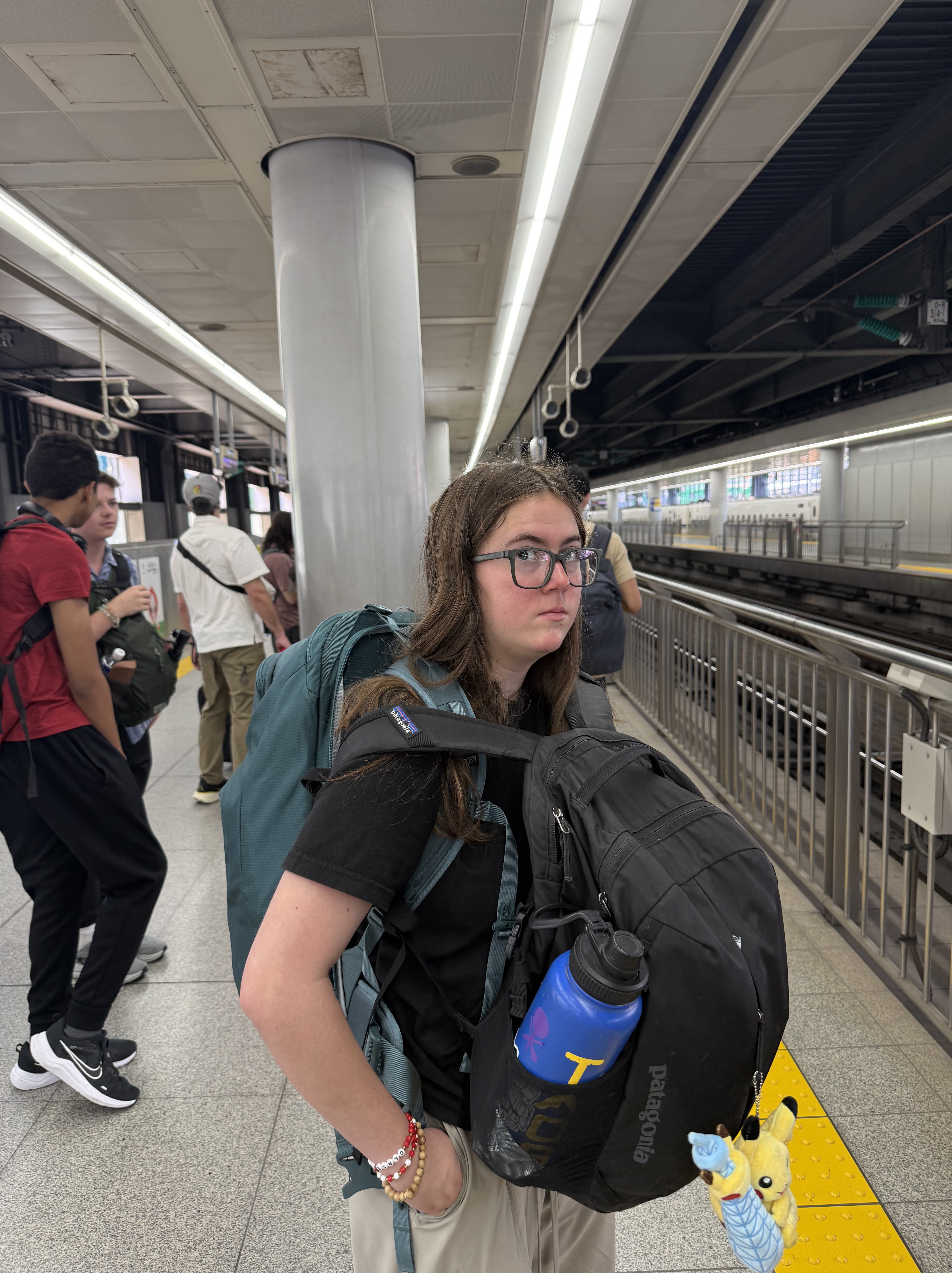
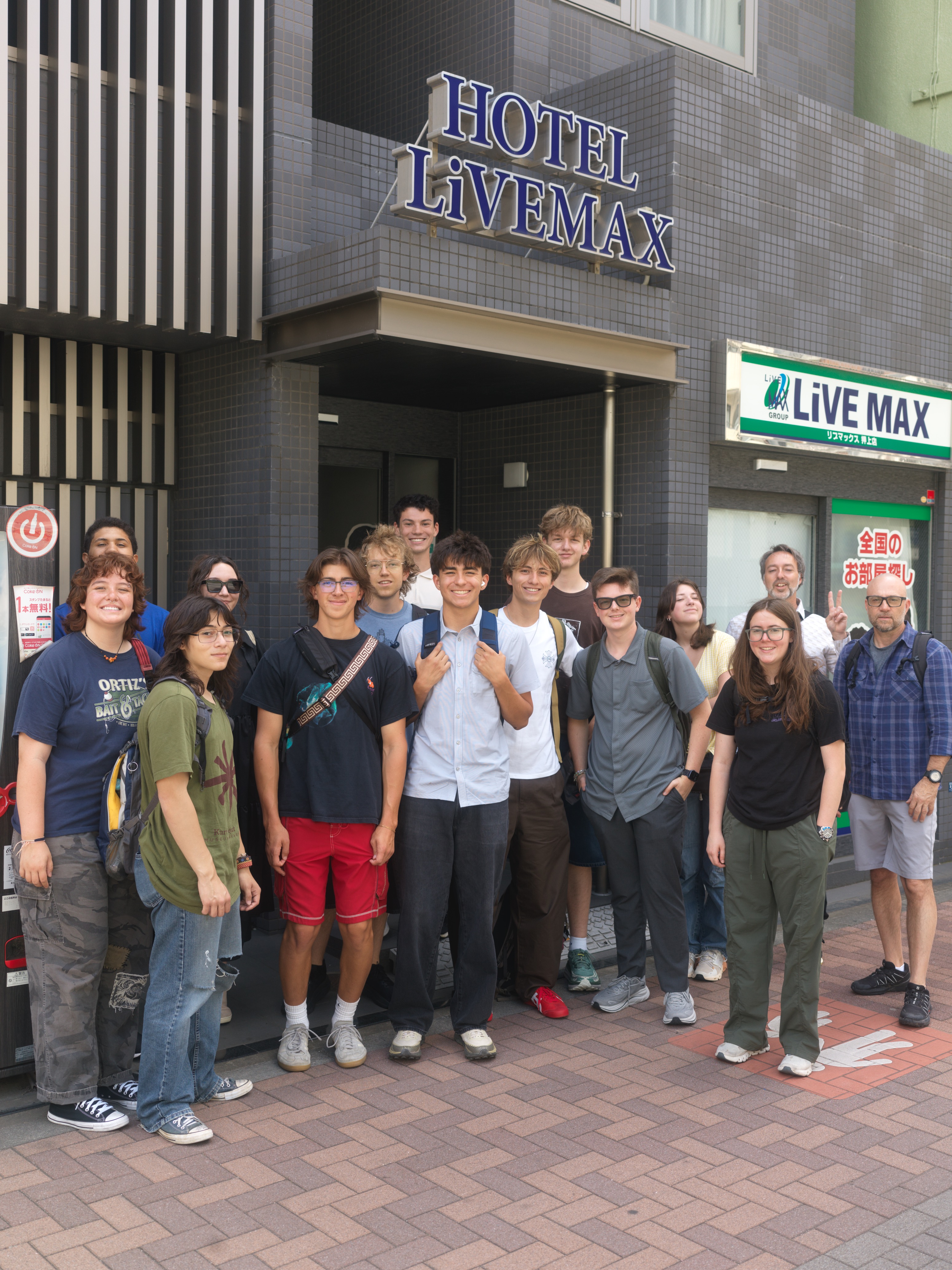
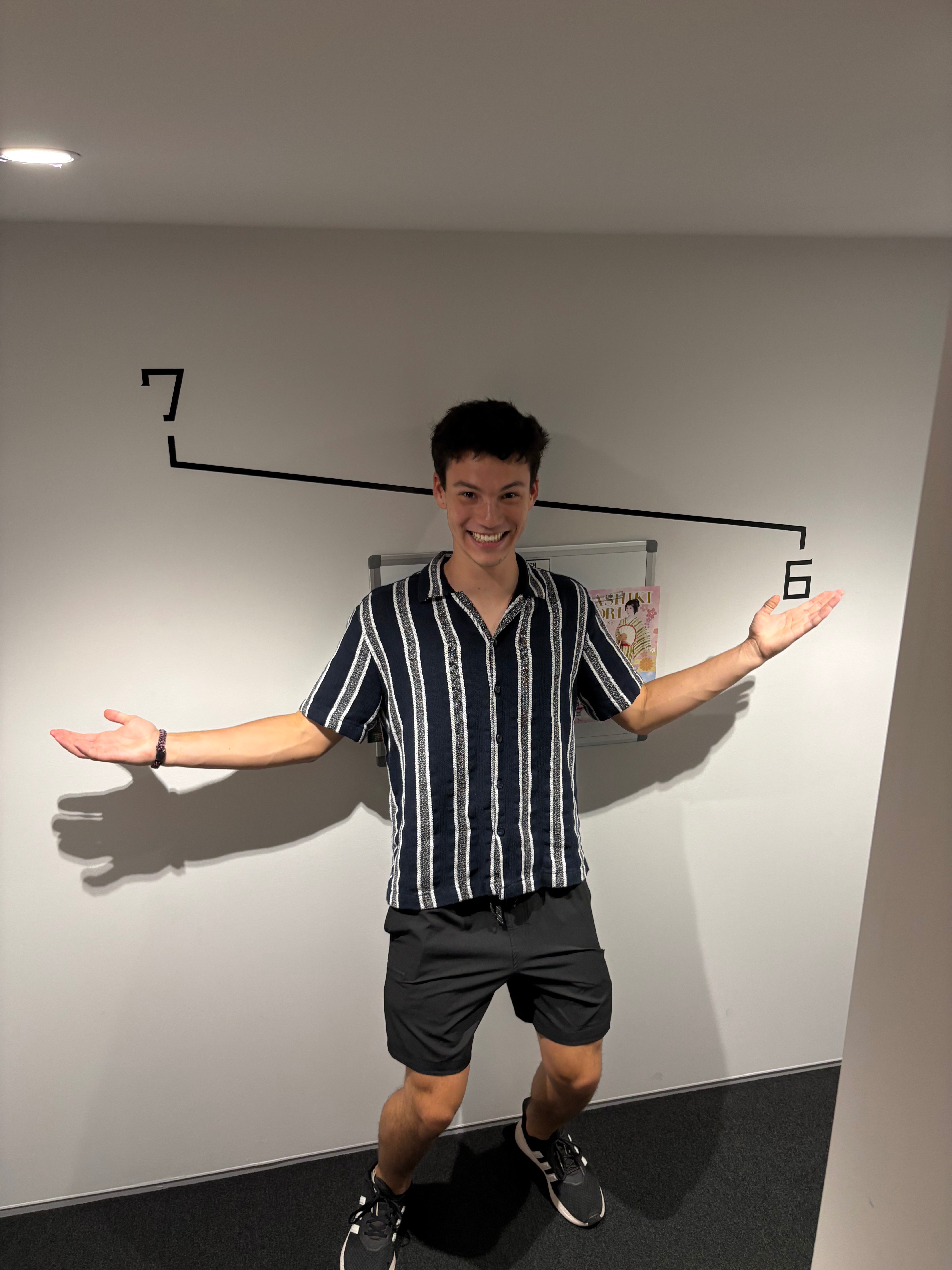
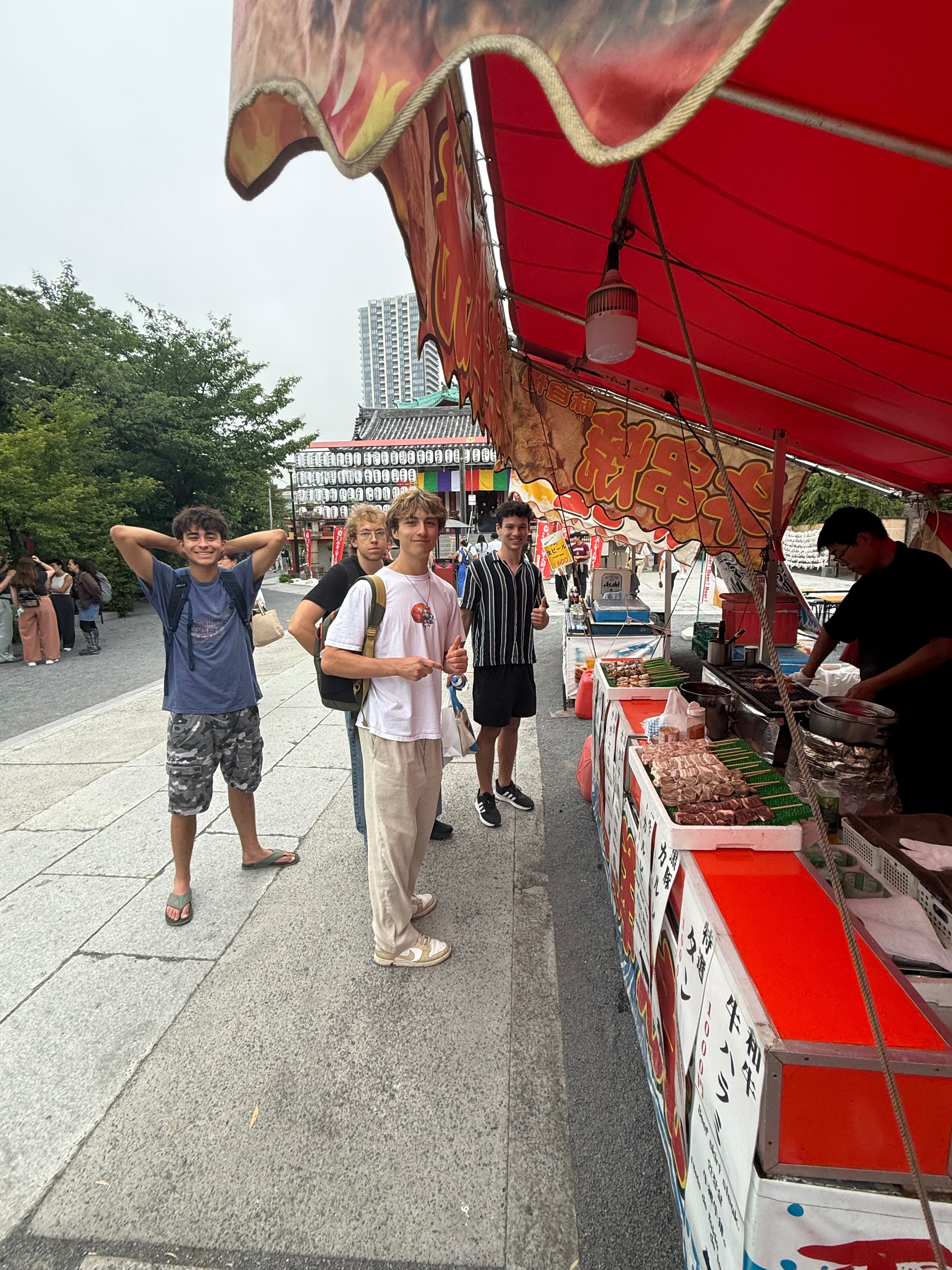
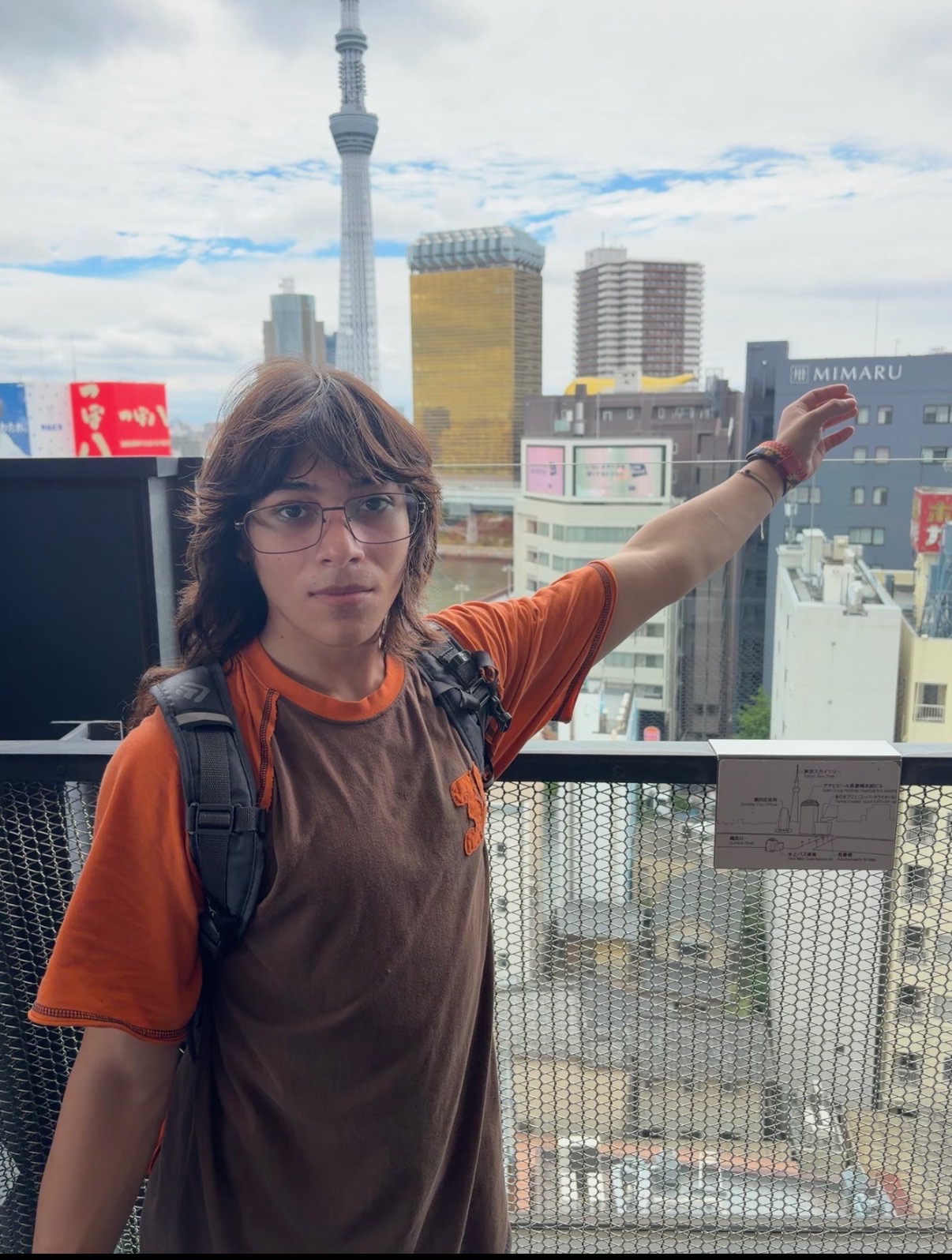
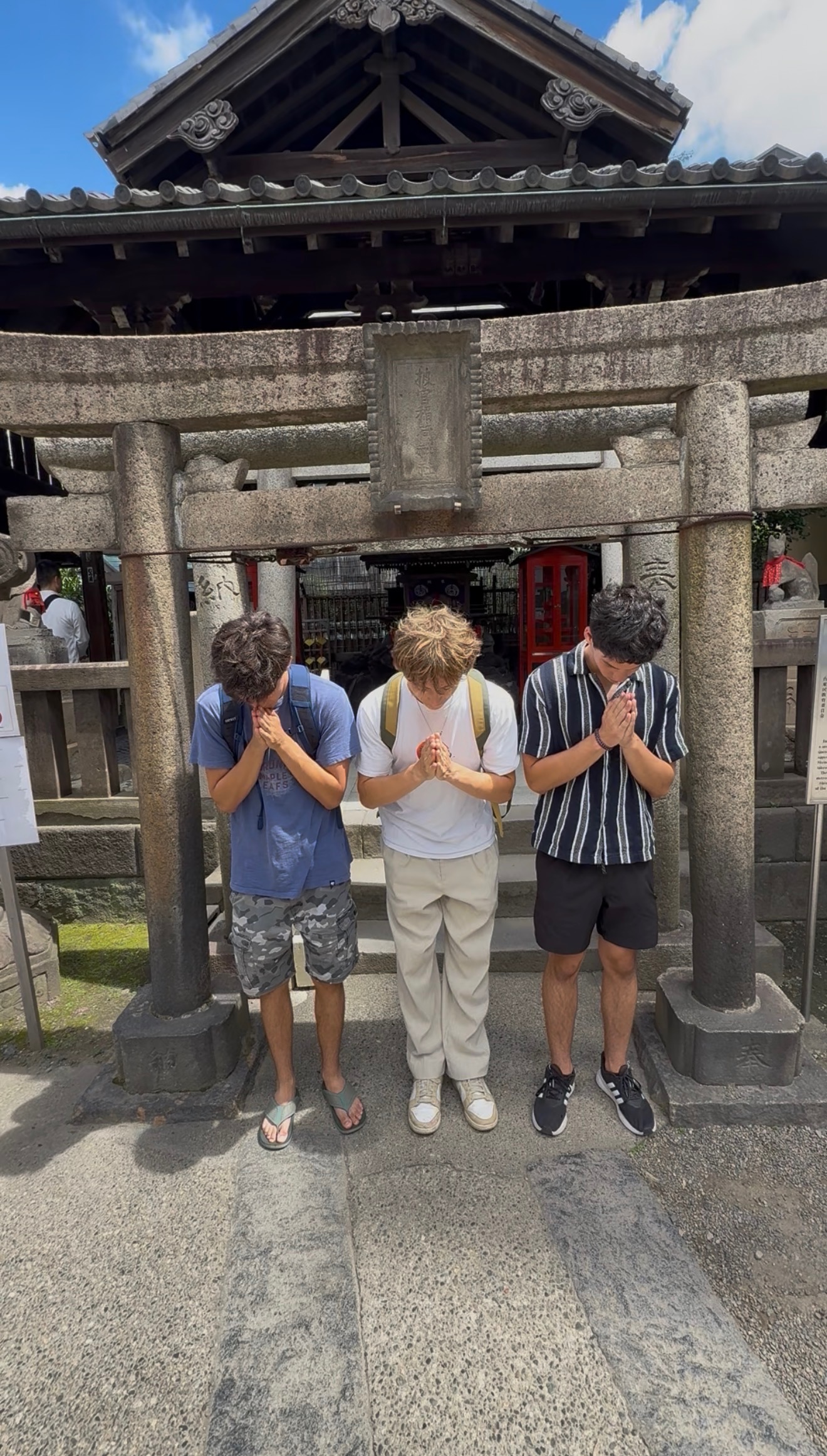
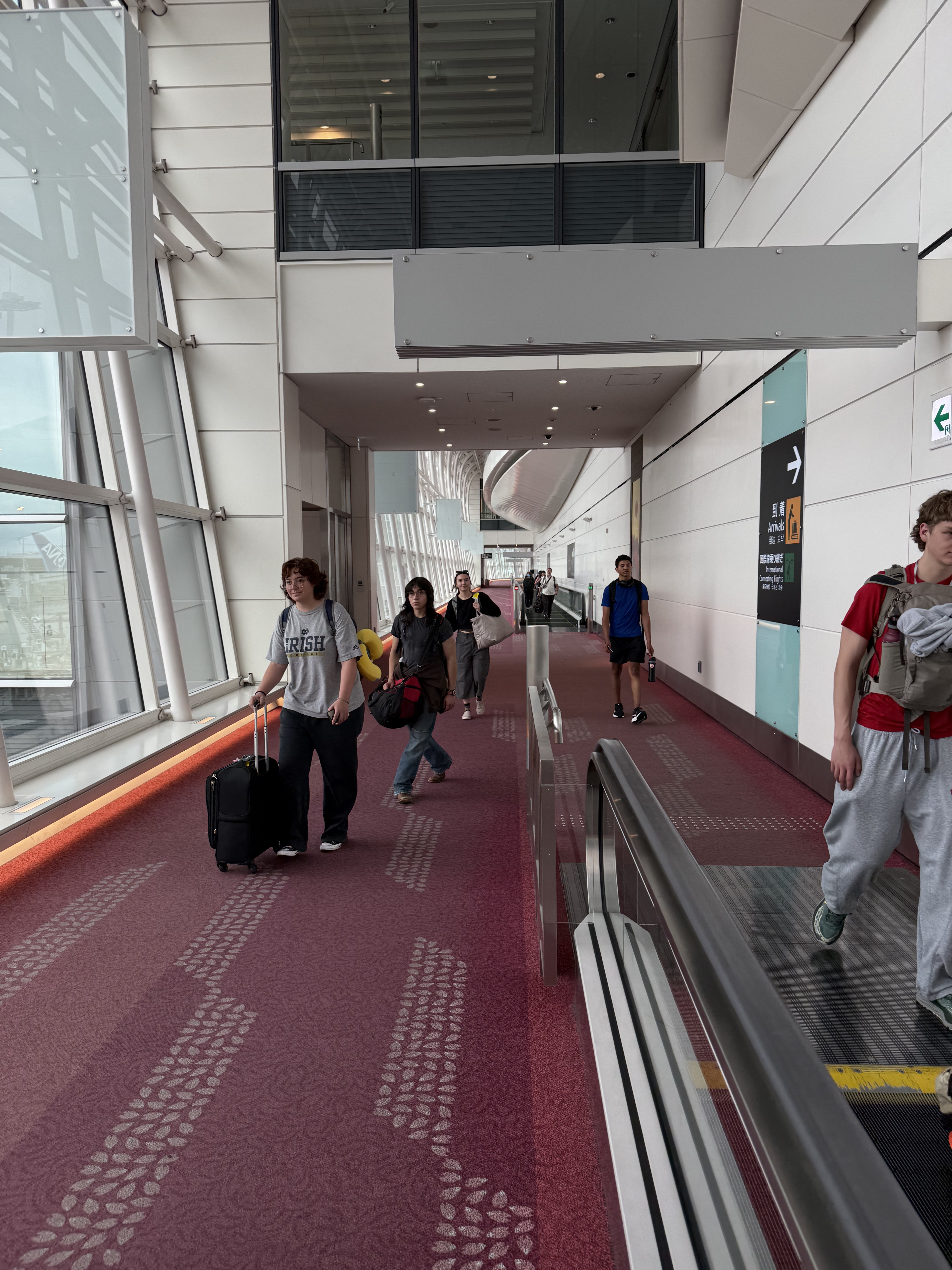
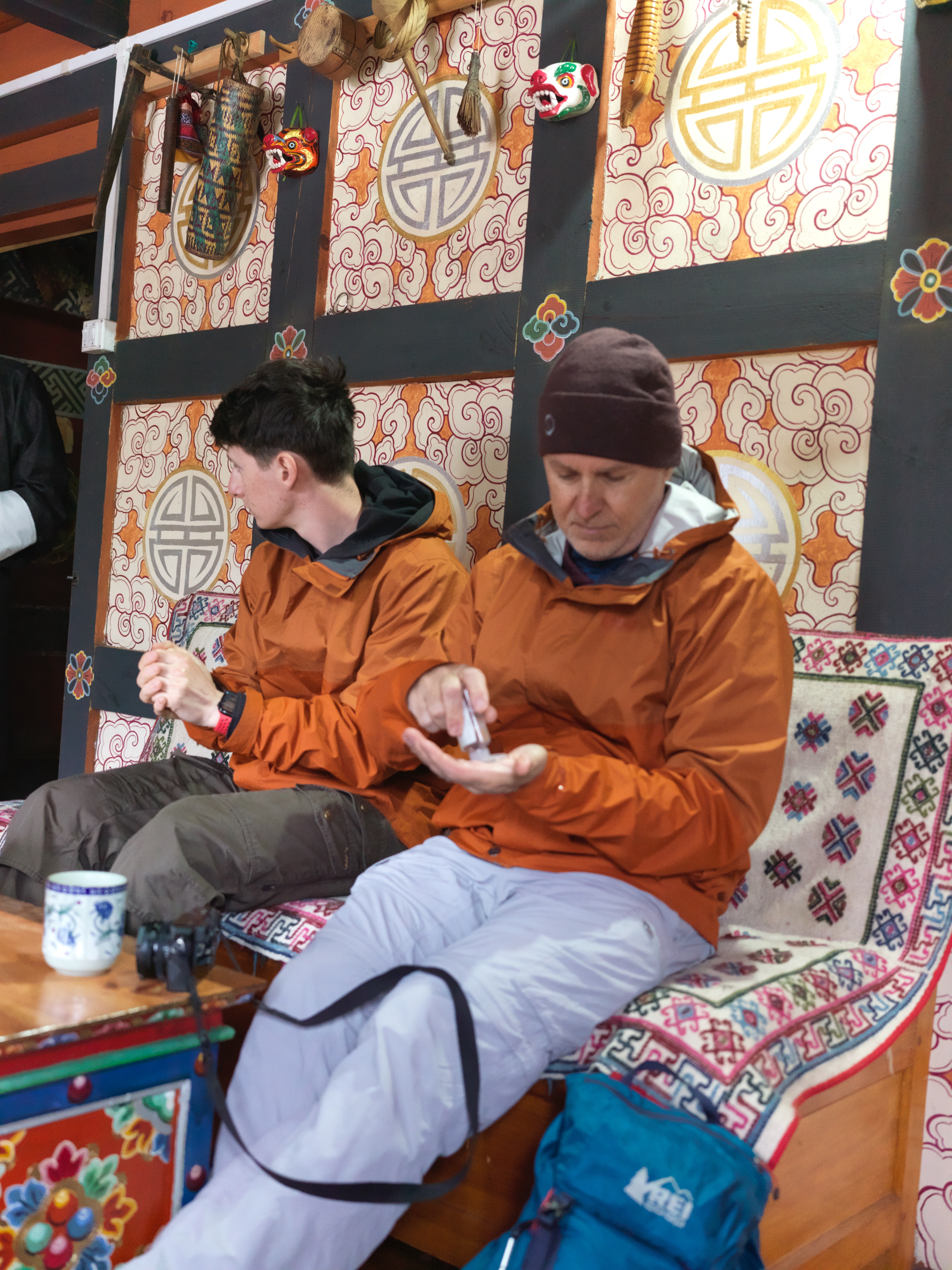
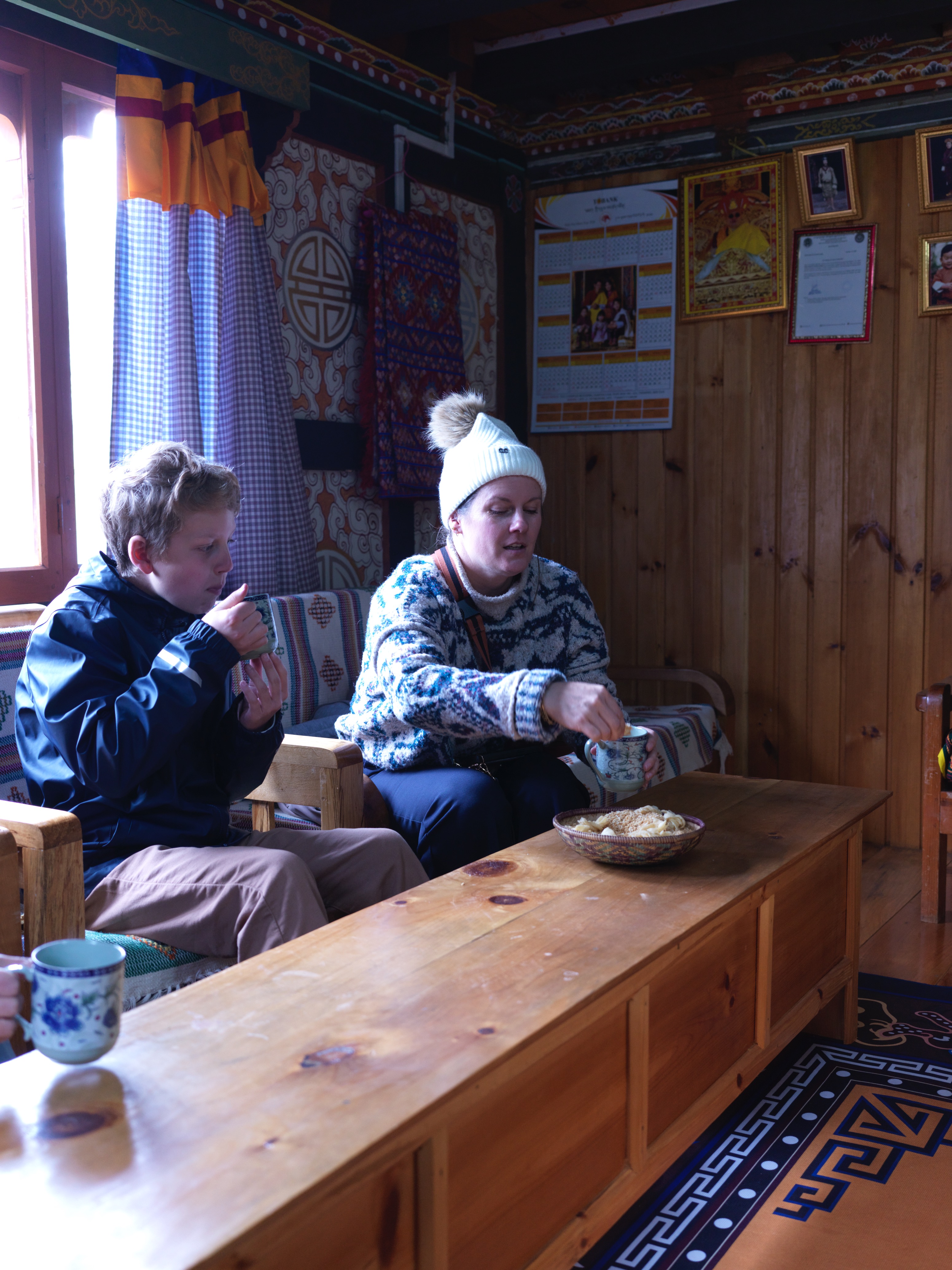
Our group is no worse for wear, as you can see, and is prepared for the long day on the plane. Well, I should say as prepared as you can be considering a 16-hour flight. Still, it’s all good as we make the trek to Bhutan.

Our first stop, in Hong Kong, has us stuck with a 14-hour layover. We’re taking the opportunity on Saturday night to visit the Ladies Night Market (photos forthcoming), a market worth visiting. I’ll report on our overnight stay in the city, and at the Regala Skycity Hotel.

May you be happy, may you be well!

The Stress is Real

Preparing for international travel is a real challenge for those of us who lead students. The last minute checks for boarding passes, visa requirements, and etc can push one over the edge. Even with all of the preparations and planning, inevitably something goes awry.

Sitting in the middle of this gale, resisting the urge to run, I settle into problem-solving mode. Double-checking information, communicating with families, finding out ways to fix anything that arises, the moment can seem overwhelming.

The Purpose of the Travel

For those planning international trips, the facts are these: you cannot check too often on travel plans, etc. It may feel like you’re committing too much time to the situation, and the reality is that you are not. When you plan, like me, without the aid of companies, agencies, and other systems to help organize your travel, you will find that you can accomplish the task using lists, writing in journals, and talking to everyone involved.

Here, in the evening before the trip, you rely on what you’ve done before this moment. Your experience, your knowledge, your insights.

And so…we depart for Bhutan tomorrow morning, making stops in Hong Kong and Bangkok. We’ll find our way to the Ladies Night Market, to the Chao Phraya river, and ultimately, to land in Paro to experience life in the Land of the Thunder Dragon.

If you’re reading this blog, you’ll find posts on our journey including photos, information about places and people, as well as the unvarnished views of those who are traveling with me. Through it all, I hope, dear reader, you’ll find something of interest, something that captures your imagination, and maybe consider embarking on a journey to the other side of the world. I can promise you an experience unlike any other.

Just 75 Days Until Bhutan Travel!

Sometimes planning for an international trip with groups is a kind fo shell game trying to find the best flights for the best price. Some tools simplify the process, AND the facts are these: watching and waiting pays. Using your research skills does make a difference!

For our trip to Bhutan, I was able to grab very reasonable flights to and from Asia on United Airlines. Everyone has a favorite carrier, and United (and ANA) are the ones I have chosen. When I’ve encountered a problem, they have always been helpful. Always.

For our trip, I planned an evening in Hong Kong on our way east. We’ll land in Hong Kong around 7:30PM and then head to the Ladies Night Market for a wonderfuil experience. I’ve been to this market a few times, and it’s a great introduction to the city. Breaking up the trip to Bhutan will hopefully allow us to be rested by the tie we land in Paro!

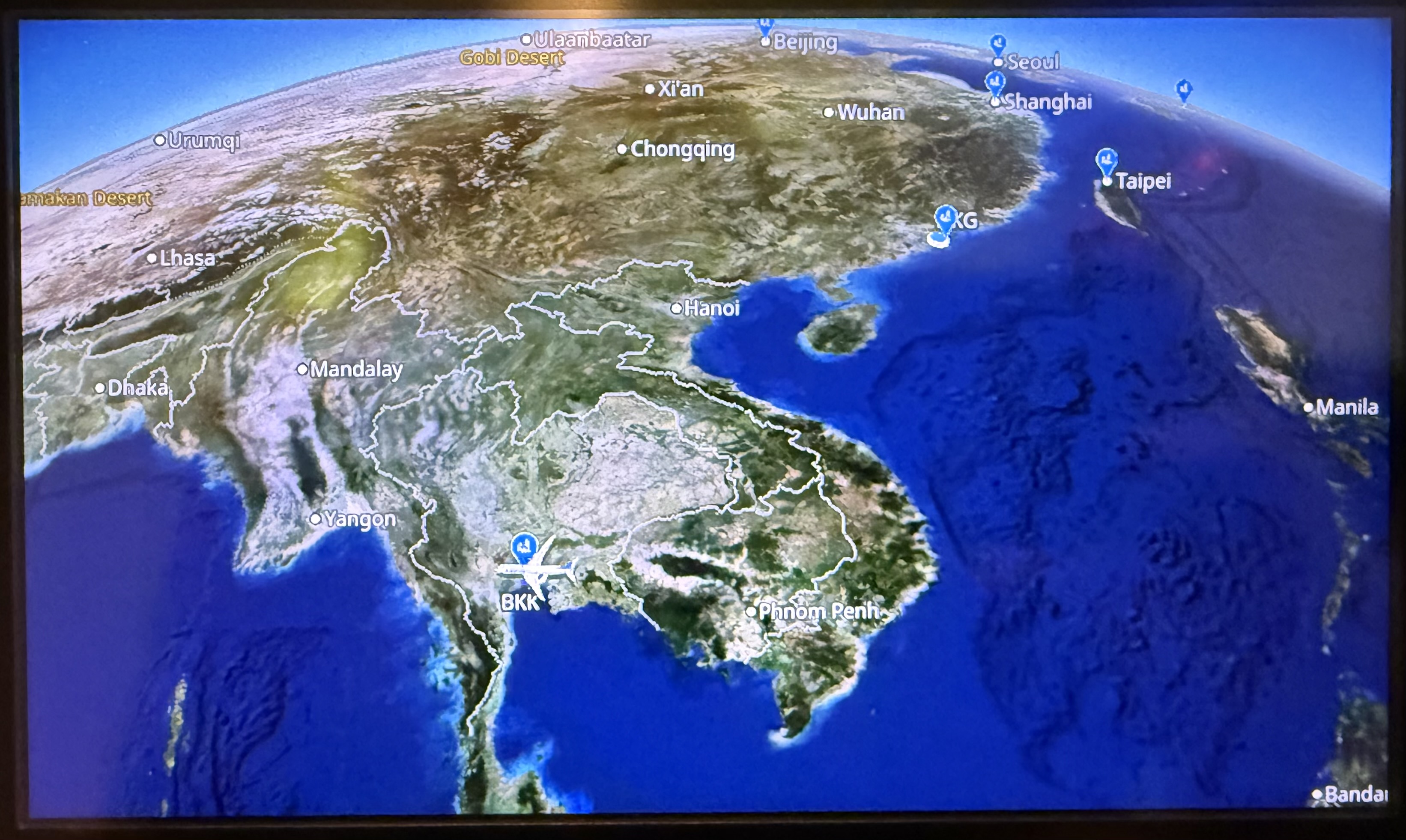
We’ll head to Bangkok at a reasonable 9:00AM and arrive at 11:25AM. We’ll head to our hotel, get settled (briefly), and then go into the city for a visit to the temples on the Chao Phraya river. From there we’ll head back to our Hotel in teh evening, grab some food in Lat Krabang, and get ready for a VERY early AM flight to Bhutan (6:00AM!).

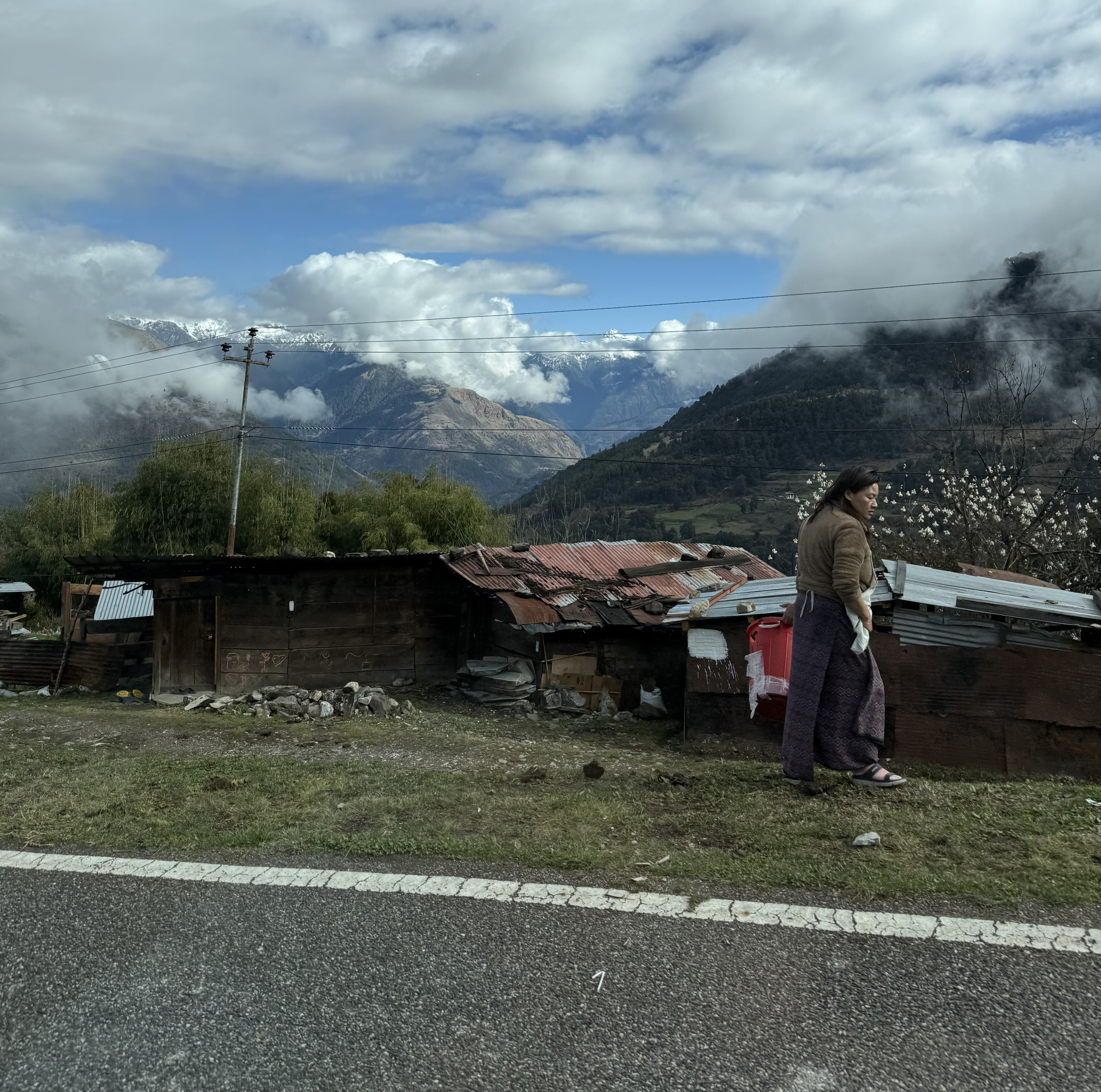
We arrive in Paro, Bhutan around 11:30AM (it’s a short flight and usually includes a brief stop in Kolkata, India). Once we land, we’ll be visiting a variety of temples, and sites. Our days in Bhutan are full and include travel across the country as far West as Bumtang/Jakar.

We’ll return to the U.S. on April 2nd on a long flight day. Watch this space for more detailed information about our trip and travel!

Travel Bans and International Travel in 2026

I am constantly shocked at the whole idea of travel bans on countries around the world, and the most recent bans being considered include Bhutan.

Of all of the countries in the entire world to ban, Bhutan is among the most absurd decisions made by any administration.

Bhutan represents the best of what this world has to offer in terms of how we can live our lives with care and conviction. That we can live in harmony with those around us, and that we are a part of this earth and as such must be the guardians of the planet in every possible way.

If you are reading this post, my advice is to make your voice heard request that the United States does not ban Bhutan from travel or exchange (or, frankly, any country).

For more information, please check these sights for information and clarity on the emerging topic: https://apple.news/A6o2MeXOsQw2eXx74xf2EIg

https://www.ghanaweb.com/GhanaHomePage/NewsArchive/BREAKING-Trump-administration-lists-Ghana-24-other-African-countries-for-possible-travel-ban-Report-1987869

https://www.cfr.org/article/guide-countries-trumps-2025-travel-ban-list

Itinerary: Thailand and Bhutan, March 2026

While we’re a year away from our travels, it’s not too early to prepare for the trip. We will fly from Albuquerque to LA and then on to Bangkok. Our adventure begins, as it always does in Albuquerque, at a ridiculously early flight. Our time on planes will be almost 18 hours and about 24 hours of travel to Thailand. If you have never flown to Asia, you should know that it is a long travel day.

Once in Thailand, we’ll spend just two nights in the city and spend most of our time on the Chao Phraya river and in the temples that line its banks. The temperature will seem hot to us for March and we’ll dress accordingly. After some street food in Lat Krabang, we’ll take another early morning flight to Bhutan (we depart around 5:00AM!) for the short flight into Paro. From there, we’ll move across the country, west to east, stopping along the way in Thimphu, Punakha, Trongsa, Jakar, and back again. Along the way, we’ll visit temples, schools, and Dzongs, and hike on beautiful trails into the forests of pine. Our final hike will be to the famous Tiger’s Nest, a 3-hour hike up to the temple.
We return to Albuquerque through Bangkok in a single day, making the adventure that much more exciting (or exhausting, depending on your perspective). Below is a brief itinerary; a more detailed one will be forthcoming in the next few weeks. All locations in Bhutan are subject to change due to weather or other conditions.

Day 1: AM Flight to LAX, LAX to Hong Kong, overnight in Hong Kong March 21st; travel to BKK, arrive around noon on March 22nd
STAY: Great Residence Hotel, 1 night
Day 2: Downtown Bangkok, Chao Phraya River, Temples, evening street food in Lat Krabang
Day 3: AM Flight to Bhutan – Arrive Paro early afternoon. National Museum, Paro Dzong drive to Thimphu, evening in Thimphu.
Day 4: Thimphu to Punakha: Chimi Lhakhang, a monastery dedicated to Lama Drukpa Kuenley (the Divine Madman), Punakha Dzong.
Day 5: Punakha to Trongsa: stops along the road (could be a long day), stay in Yangkill. First visit to Trongsa Middle School.
Day 6: Trongsa Dzong, Trongsa National Museum; travel to Bumthang, Jakar
Day 7: Tang Valley; Orgyen Choling House (story of Pema Lingpa)
Day 8: Tang Valley to Punakha: Evening hike to cremation grounds.
Day 9: Punakha to Paro: hike to Tango University. A visit to see the Takin! Evening in Paro.
Day 10: Hike to the Tiger’s Nest
Day 11/12: Return to Bangkok and the US

We generally fly United / ANA Airlines for this trip. Costs for travel are generally around $1600 for flights to Bangkok and back (although, as I write this, flights are very inexpensive, around $950). Our flight into Bhutan is roughly $800RT (prices can and do change for this ticket; we’ll lock in all costs about six months before travel).

Costs in Thailand are relatively inexpensive, no more than about $200 in total. In Bhutan, we’ll have a daily rate of around $300 per day (subject to change). These costs are all-inclusive in terms of transportation, food, and housing.

Total Costs for the trip will be between $4200 and $5000 depending on flights (that’s our big unknown). In past years, the least expensive trip was $3600 and the most expensive was $4800. Should things change dramatically, I will alert you in plenty of time.

All money is collected in-house, and refunds are granted in full up until we purchase flights and book our Bhutan travel. Funds are electronically transferred to Bhutan in full 60 days before departure.

You can make payments to the school in any amount you like up to December 1st. Once all funds are collected, I’ll book all plane tickets. We offer trip insurance through Allianz. The insurance is optional. Medical coverage and evacuation insurance for the trip are provided by the school for all student travelers.

Finally, all travelers are required to get several vaccines for this trip. A list will be provided at our first official meeting in April. All travelers must provide proof of vaccination prior to departure. We use New Mexico Travel Health Services for vaccinations, and you can get your vaccinations elsewhere.

To say that travel to Bhutan is an adventure is an understatement. I hope you will join us on this trip to the Land of the Thunder Dragon!

Travel to Bhutan, Spring 2026

After two years of trips to Japan, we’re returning to Bhutan in March 2026. This trip will be exclusive to Thailand and Bhutan, allowingng us to spend more time in both places and to have an opportunity to see more places and visit with more people in Bhutan.

Following my previous trips to Bhutan, we will fly into Bangkok. For a couple of days, we will visit Bangkok and the temples along the Chao Phraya River. Our goal is to understand the uniqueness of Thai culture and the influences of Hinduism and Buddhism on Thai history. In addition, we’ll investigate the colonial history of the city which will allow us to gain a rich background in the ways modern Thailand developed.

Street Food in Lat Krabang

Our visits in Bangkok will include Temple or Wat Arun, Wat Pho (that houses the reclining buddha), Wat Phra Kaew (Emerald Buddha), and a few other sites in walking distance to those temples.

In addition, we will visit Chinatown, street food vendors in Lat Krabang, and hang out at the hotel pool after a day in the 90 degree heat!

We’ll travel to Bhutan on an early AM flight to Paro on Bhutan Airlines, landing around 11:00AM and beginning our journey through the country. We will be met by my friend Namgay Tsangkhap, and he will lead us to Thimphu and the Buddha temple in the hills above the city.

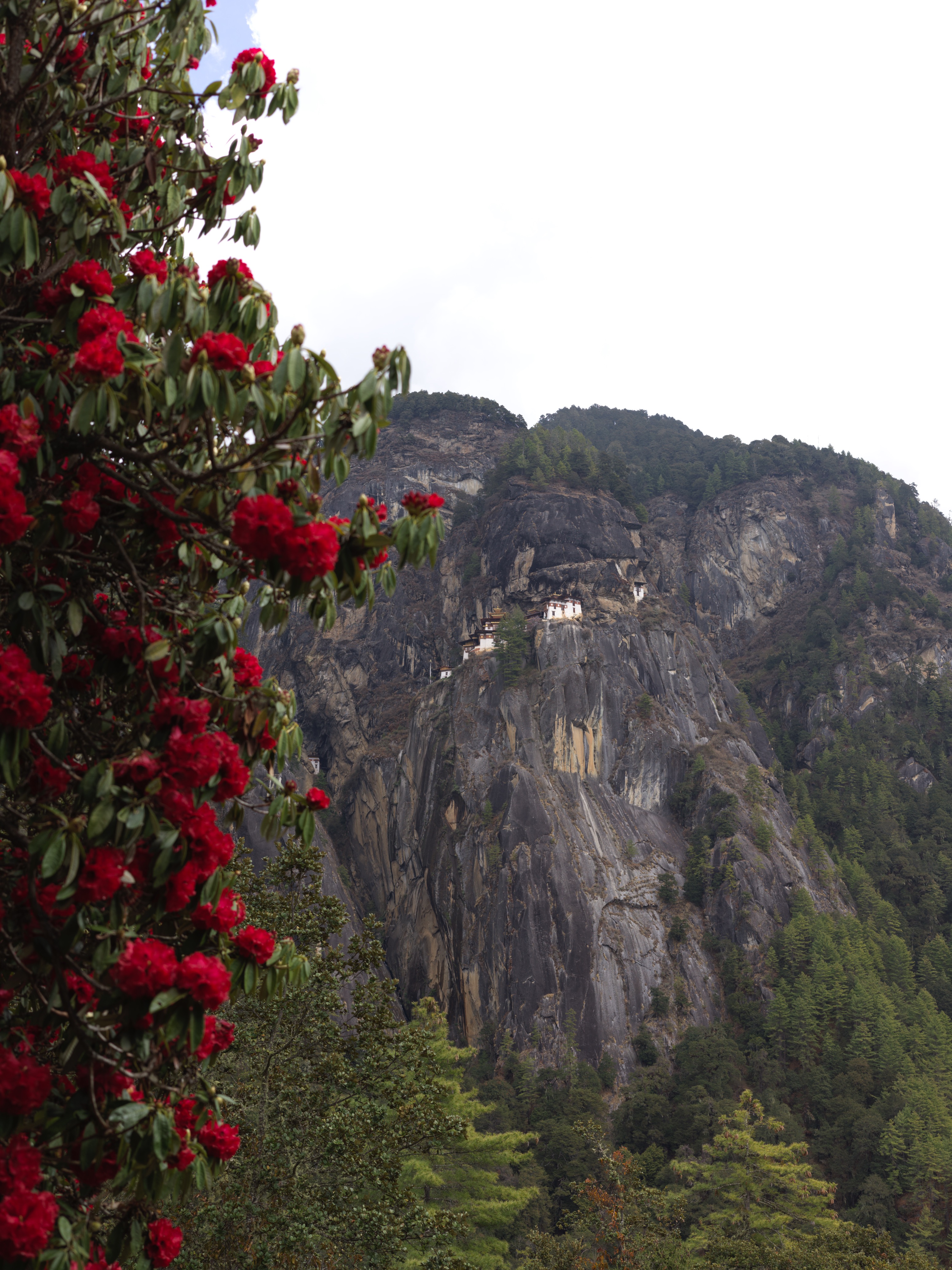
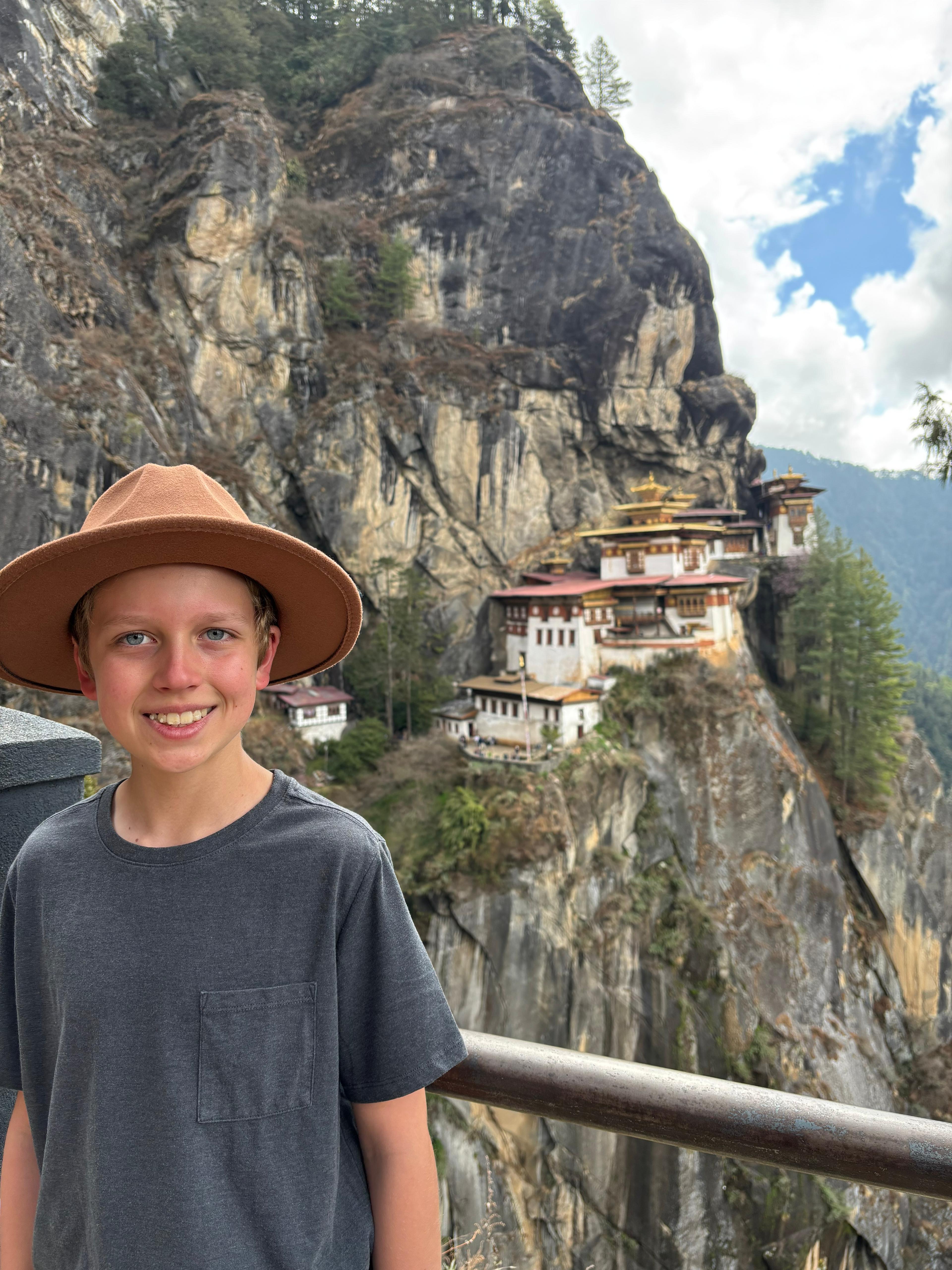
The Tiger’s Nest near Paro, Bhutan

After a night in Thimphu, we’ll begin our eastern trek across Bhutan on the only road that crosses the country. Along the way, we’ll venture to Punakha, Wangdue Phodrang, Trongsa, and eventually to Jakar/Bumtang.

Along the way, you’ll hike forested trails, hear from monks about their lives, and sample local food. You’ll get a chance to meditate in ancient temples and reflect on what it must be like to live in the land of the Thunder Dragon. In addition to these experiences, we will visit the Tsangkhap school and provide school supplies for students. We’ll play soccer, basketball, and maybe bring some frisbees and spend a little time getting to know students in Bhutan.

Hiking along the Mo Chu

Stay tuned here for more information about travel to Bhutan and details about the itinerary, costs, and additional information.

Tashi Delek!

A Reflection on Travels in Japan

I sometimes wonder if my expectations of travel and experience get in the way of just being with the experience? As I reflect on my trip to Japan, I noticed a few things that have stayed with me.

First, throughout my days there I felt at ease by day 3. The drugged feeling I had coming from the U.S. faded and I was able to enjoy spending time doing nothing. When I look back, it was day 3 that I shifted expectations and started to go woith the flow of the moment rather than trying to build some kind of experience from my itinerary or prior decisions on where to go and what to do. Instead, I let things happen. Once I settled into the trip, I just wandered around.

INnmy wandering what I found was myself. I found out more about who I was than anythign else and, as someone has said in some book, poem, or text, I met myself in Tokyo. It was a beautiful kind of letting go.

The one thing that does stand out more than two weeks after my visit was the exhibtion at the Tokyo Museum of Western Art called Does the Future Sleep Here? That exhibition caught me completely by surprise and the artwork and artists statements brought me to a different place in my heart and mind. I found something new AND something in myself. Maybe THAT is the whole point of travel: to be transformed by the places and people we visit, and then carry that experience with us.

I was particulalry struck by Nakabayashi Tadayoshi and his etchings on display at the beginning of the exhibition. His work is fantastical and detailed. The etchings are remarkable in both their detail and depth. They feel three-dimensional and almost pop off of the cream toned paper that he uses.

Isimsiz

As the exhibit unfolded, it openly questioned the whole purpose of an art exhibition and offered the idea that a static display of art takes the art out of the context of the artist, making it isloated and missing a sense of humanity and connection.

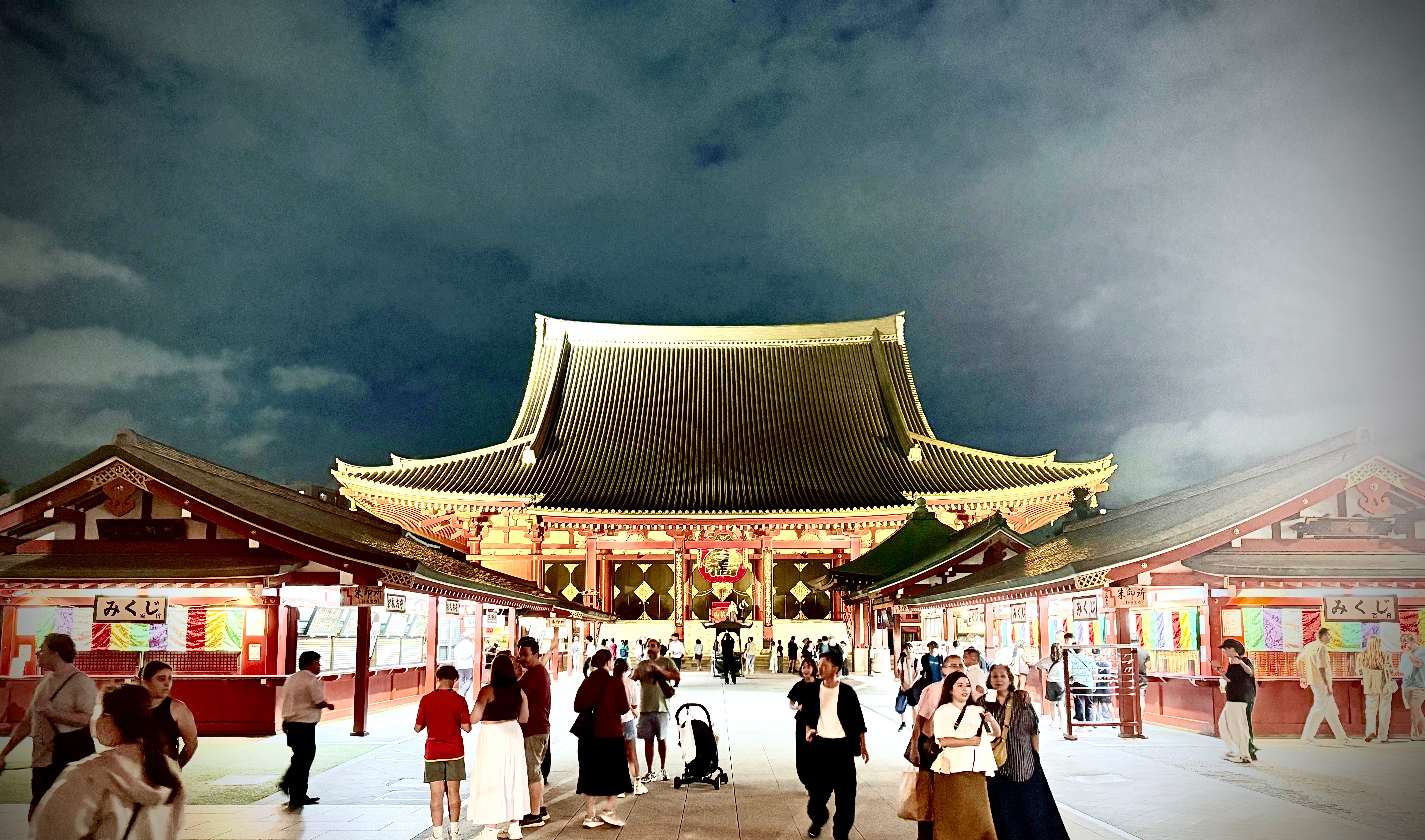
I left with a wonderful sense of fulfillment and a slightly lighter step as I walked back into the light rain that permeated my days in Tokyo. I walked back toward Asakusa and followed some narrow roads and alleyways through the neighborhoods that fill this part of the city. As I walked, i was gaining a real sense of the expansiveness of the city and the distances between the various parts of Tokyo. I could feel the differences between the parts and something of the nature of life in various locations. Away from the bustle of a tourist attraction, families went back and forth to school, work, restaurants, and the tasks of daily life. The thing that always strikes me is the deep quiet of the city walking through these streets. One block away from a main street and things are much much slower.

Experientially, I learned more Japanese than I learned in my work at home and I still struggle to initiate conversations. I do know the language will come and I do know that as I gain confidence, that change will unlock more of what I’m looking for in Japan.

I’m waxing philosophical, so I’ll bring this all to a close with some photos of this recent visit. Looking forward to my next visit in June 2025. In the meantime,

May you be happy, may you be well.

Hasedera Temple / Shrine gardens
Hei Shrine
Hie Shrine
Tokyo Tower
Hamarikyo Park

City Scenes on Cloudy Days

When I decided to visit Tokyo, I planned for chilly weather AND I did not plan for multiple days of rain and clouds. The lack of unfiltered sunlight was not in my original plan. This weather pattern that covered much of the Kanto plain during my time in Japan made me alter most of my plans. For example, I had planned to hike a series of trails in Chiba and near Kamakura. When I traveled to the trailheads, the trails were very challenging to hike. Rain made some of these trails impassible. In one case, I walked upstairs to the beginning of a trail only to find the path of a slick, mud-filled trek. After a few minutes and soaking wet shoes, I turned around, gingerly descending to solid ground.

In the face of these altered weather conditions, I fought to desire to head indoors and, for the most part, traveled all over the city. I visited so many parts of the city I had never seen and spent time just seeing the built environment of Tokyo. While I took many photographs, none of them really captured anything new or unique. Many are just quick shots amid a light rain.

It’s easy to be disappointed in these circumstances and I worked through the challenges to find something in the city. These photographs capture some of what I saw. As always, I wish I had more time and had visited more places. AT the same time, I did what I could do with the time I had available.

In Akihabara, the ubiquitous trinket stores dedicated to anime and manga.
Leaving Akihabara station.
They’ve pretty much got everything here.
Electronics on all of the time.
Street scene, Akihabara.
Groceries? Right here.

The Streets and Alleys of Tokyo

It’s easy to get lost in this sprawling city as you wander through neighborhoods and business districts. Still, I was determined to walk through this city with feet firmly fixed to the ground, looking around the small streets and wide boulevards seeking out what makes Tokyo, Tokyo.

This particular approach to travel is a bit unusual in the age of finding somekind of unique place and then publicizing it all over social media. My waanderings, instead, were meant to find anything per se. They were a way to be a part of the physical environment and along the way find images that captured my particular attention. On these days, I was drawn to the many alleys and small spaces that are everywhere in this city (and many others around the world). So many small places tell us something about the people who live in this metropolis.

Alien signs are everywhere.
Watch out…pretty much everywhere.

In most alleys in the city, you don’t find people. They are spaces that are representative of lived places without people actually present. I guess that’s not surprising; alleys are often places people pass by and occasionally go through.

Clean up in the alley, Shinjuku.

In most cases, as I walked past alleys, I found people doing some form of labor. Cleaning, hauling, tossing trash, or working on some aspect of dail life. These moments were sometimes fleeting, and I often missed the photo as a group of workers (almost always men) were moving through the place.

Access.

Some alleys offered access to businesses and homes, and, in mamy cases, both. Storage containers were often part of these locations and plastic “milk crates” or cans filled with all kinds of material sat along these tiny thoroughfares.

Still other alleys weren’t alleys at all, but tiny streets filled with people going from place to place. These small walkways were fascinating in the amount of people and shops that filled the spaces. In some ways, they were more populated than main streets all over Japan.

Small walkway into the interior of Enoshima Island.

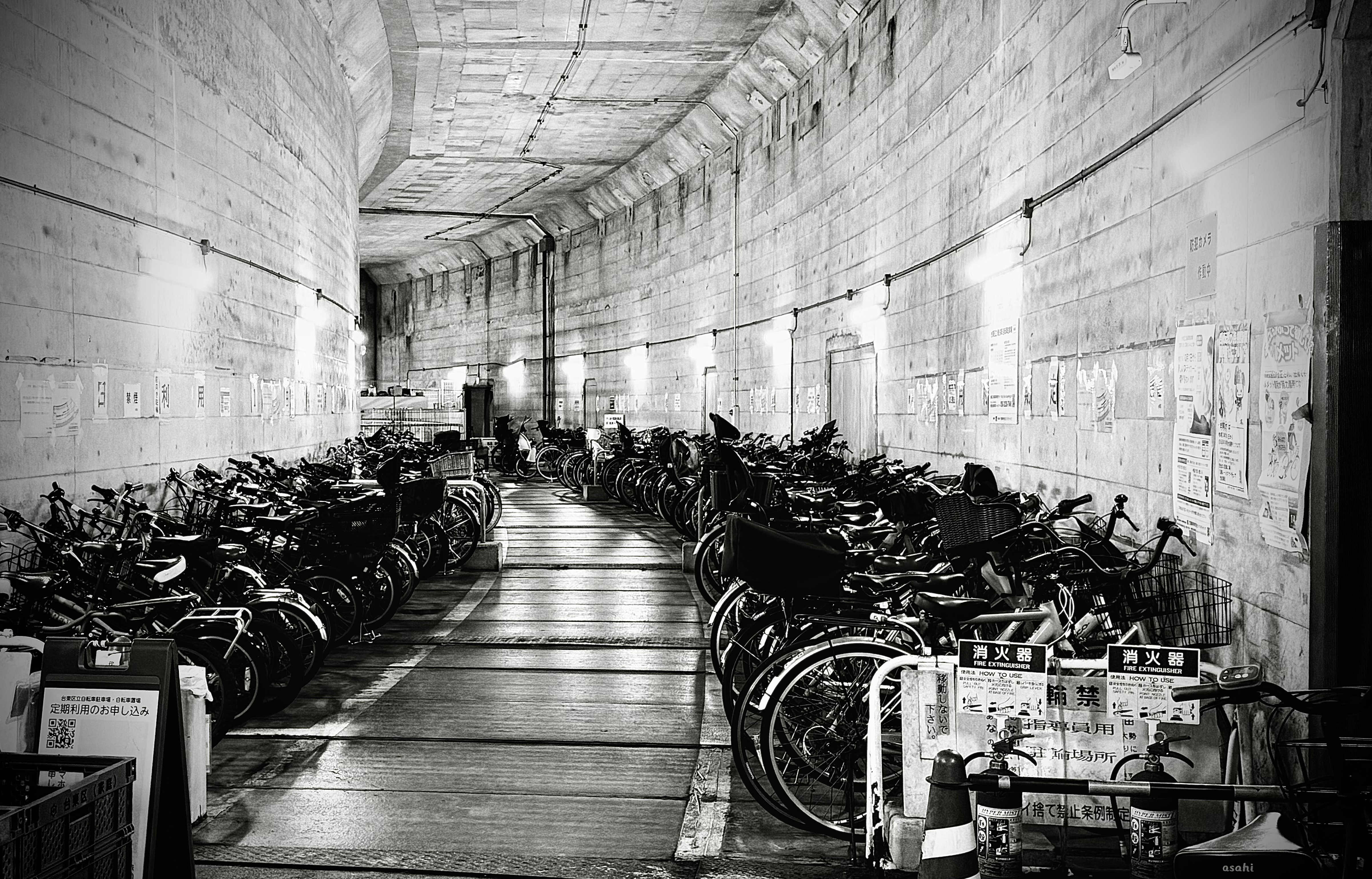
In some places, an alley was the home to vehicles of all kinds. Cars, motorbikes, and bicycles. In small towns outside of Tokyo, I found vehicles in alleys most common.

A Kamakura alleyway.

Many alleys in Japan start with small trinkets or ceramic objects. Most common were small hedgehogs in a kind of human-form. These various objects were almost always at the entrance to an alley.

Frogs!
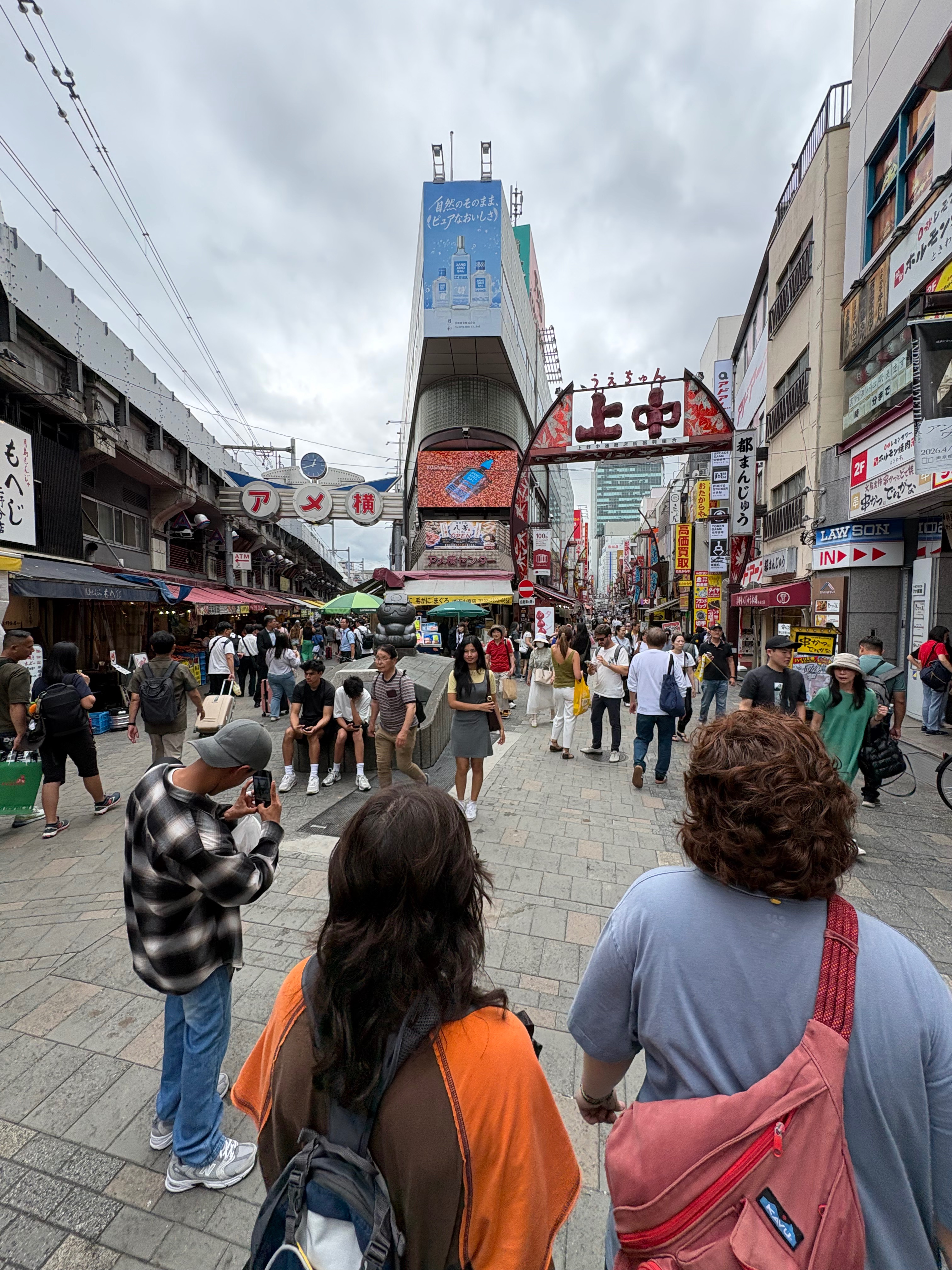
A multiuse alley in Ueno.

These street and alley scenes in Tokyo offered a glimpse at less obvious characteristics of this city. I found in these places a kind of authentic view of life in the city. In these places, I found something about Tokyo that I didn’t find in the historic sites and more tourist-centric places in the city. At the same time, I’m not valuing one part of the city obver another; I just found something equally interesting and scenic in this huge metropolis. I also found that even in a place that is so huge, small spaces dominate and make up the physical structure of the city. Maybe it’s in these alleys that Tokyo lives ad breathes.

May you be happy, may you be well.

I Don’t Want to go to (Enoshima)

Sung to the tune of Elvis Costello and the Attractions “I Don’t Want to Go to (Chelsea)”.

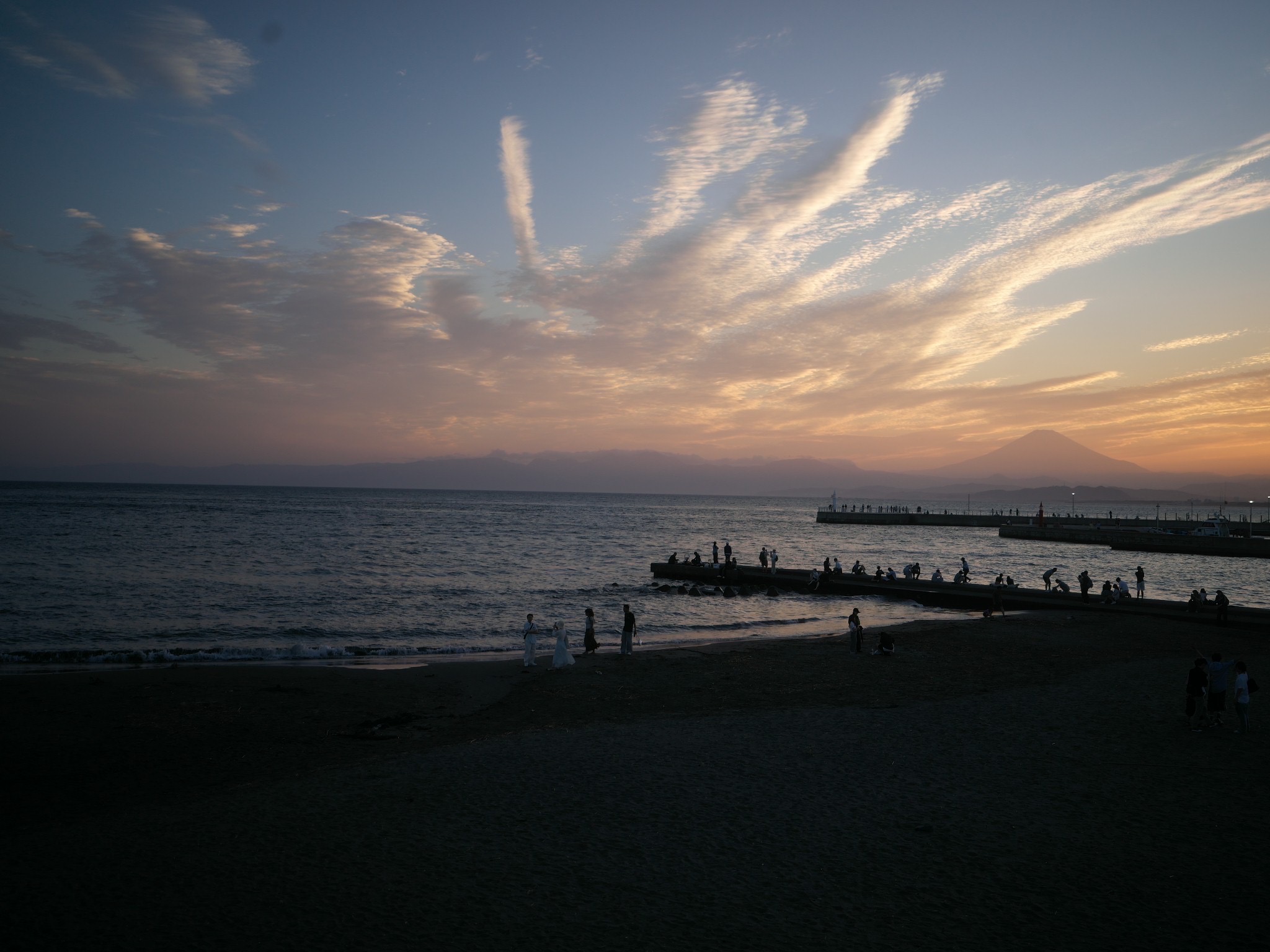
So, fellow humans, I’ve traveled to Enoshima so you don’t have to. Yes, Endoshima is an island linked to the mainland by a footbridge. Yes, many folks have traveled to the island and yes, there is a shrine to the poet Basho, on the far side of the island. Finally, you could climb up to the Enoshima “Candle” and look out over the ocean (and in good weather see Mt. Fuji). All of the above is true. The question I have: is it worth it. My humble response is no.

Walking bridge to Enoshima

While you will find many places in Japan filled with tourist shops and restaurants, Enoshima seems particularly prone to these kinds of places. Absolutely nothing wrong with folks plying their trade and the visit didn’t have the payoff in terms of historical and cultural significance. For example, compared to an island like Miyajima near HIroshima, you’ll find less there, there.

Headed through the tourist area to get to the stairs to the top of the island

Combine the above information with the fact you will climb, climb, climb to the top on a significant number of stairs…maybe not Fujimi Inari level stairs, but close, and your work doesn’t necessarily match the experience. You could purchase escalator tickets (!!) to make your journey a bit less challenging, and you wouldn’t get the payoff of walking up 42 flights of stairs for the KMs you’re walking. I’m not really complaining, just a little frustrated that in the few hours I have left in Japan, I really want to spend my time more wisely. If you’ve got lots of time in Japan then Enoshima might be worth the adventure.

The Basho shrine…his poem is carved into the stone…

Without doubt

Flowerlike sea spray is

Spring of the bay

Despite all of that, the real payoff for this day was my visit to Kamakura. First and foremost, I absolutely love this place. I’ve now been all over the town and have felt like so many possibilities for both contemplation and adventure are in this place. Combined with the wonderful people I met, I haven’t found many places that equal the wonder of this place.

Hoping off the train at Kamakura, you’re presented immediately with two choices: left off the train leads you to a street filled with more common tourist opportunities like a cafe where you can hold owls or the ubiquitous ramen shops. To the left, you’ll walk into the town that is dramatically more quiet with shops filled with locally crafted art, jewelry, and food. My favorite spot is The Ramen Shop, a family-owned business that serves some wonderful Sio ramen broth. Purchase your ticket, have a seat at the bar (about 10 seats), and enjoy the Japanese jazz music and the wonderful ramen.

The Ramen Shop

Instead of taking a bus or train close to the main attraction, the Daibatsu, I have chosen to walk from town to the sites. along the way, you’ll run into a variety of stores and restaurants. If you’re on the right side of the road, you’ll find Modernato Coffee Shop. Stop in and have some hand-crafted coffee (it takes a while) and a dessert. Sit at a window seat and just hang.

Modernato Espresso

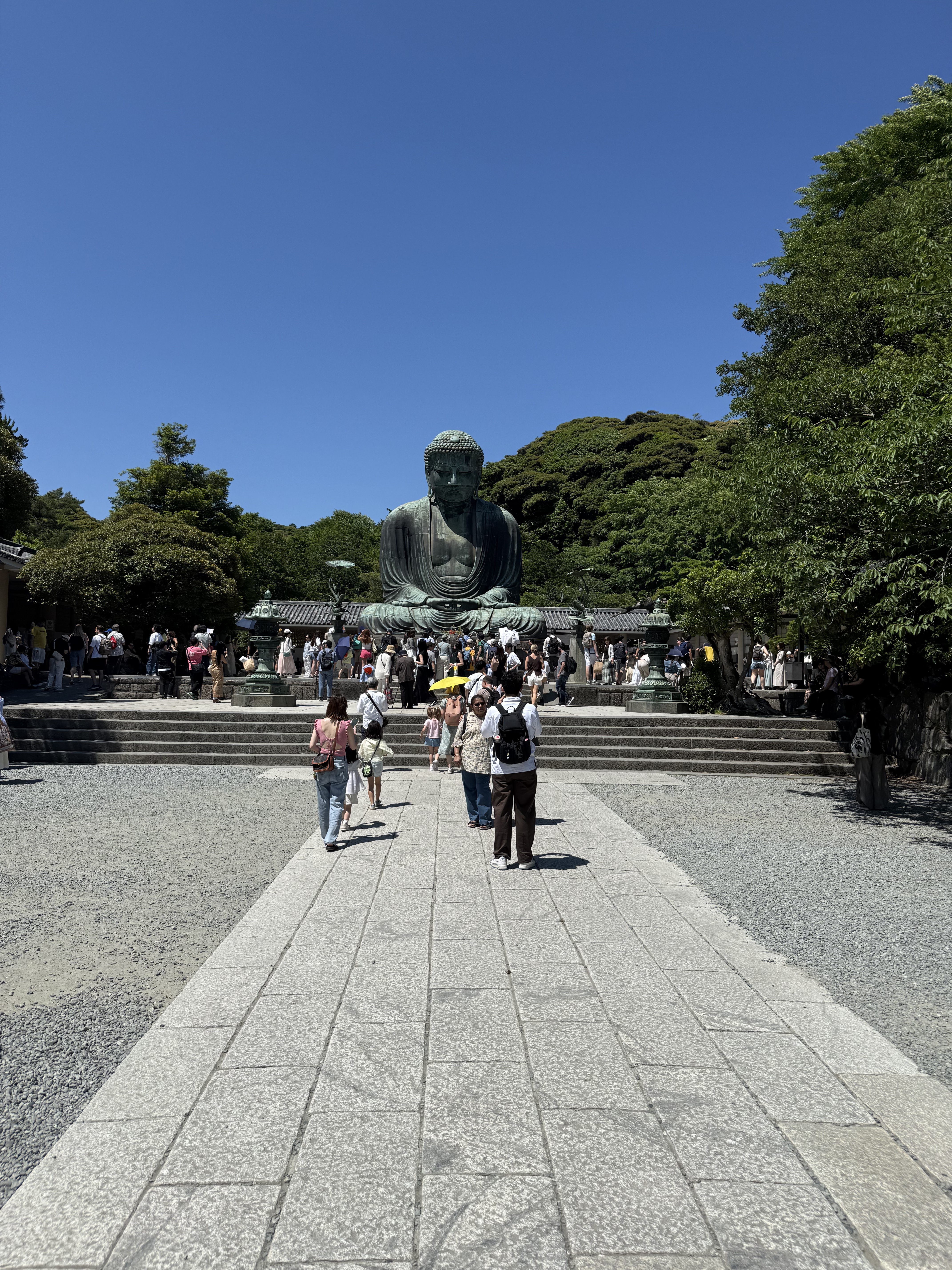
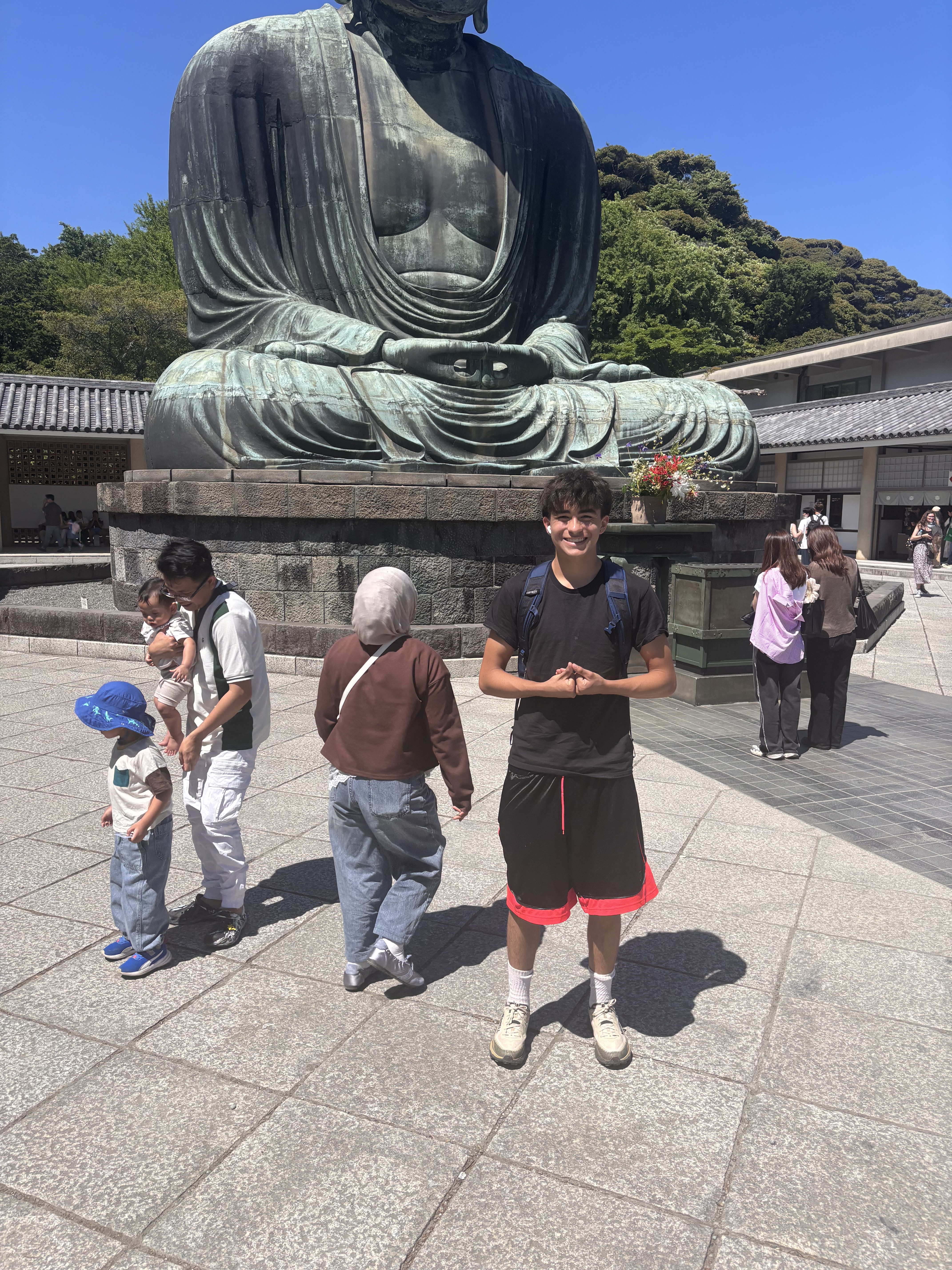
The Daibatsu is the star of this show and even if it’s crowded, you’ll be inspired by the view. Constructed in the 13th century, the building that once surrounded it is now gone…as legend states, destroyed by a tsunami, the bronze sculpture and pedestal are the only remaining structures. Reconstruction of the building happened soon after and that too fell to a fire in a civil conflict in the area. Restoration began again in the late 18th century and then later in the 20th. regardless of the history, you’ll find a remarkable bronze Buddha. As many times as I’ve visited this spot, the reveal of the Buddha as you walk along the path is magical. If you’ve read this far and you’d like to visit, walk slowly….turn the corner, and allow the vista to unfold. It’s amazing.

The Daibatsu…I’m able to grab this shot despite the number of visitors….I’m a bit taller than most folks.

Not far from the Daibatsu is the Hasedera shrine and temple complex. The ancient caves are worth the crawl and the place holds a gold-gilt Kannon sculpture in the main shrine room. The dim light of the room combined with the presence of the statue was as peaceful a place as I’ve ever found, and I stayed in this moment for as long as I could, basking in the warm glow of the space.

So many monks!

Each of these moments today gave me something to consider…I went from joy to frustration on this day and then exhaustion as I had walked more than 15 miles, much of it uphill. After I made it back to my room, I relaxed with some soccer on TV and well-deserved sleep.

May you be happy, may you be well

At the top of Enoshima is this sitting area
If you are eating in public, crows and hawks will steal your food right out of your hand!
In the dark caves at Hasedera are these small shrines
Love this view of the Daibatsu
Along the streets of many towns are small Shinto shrines
Selfie along a neighborhood road in Kamakura
yes you can (although I didn’t try it)