Somedays, you wake up and realize the day is going to be great. That the world aligns in such a way that all of the plans you put into place, all of the individual elements come together to make something truly wonderful. Today was such a day.
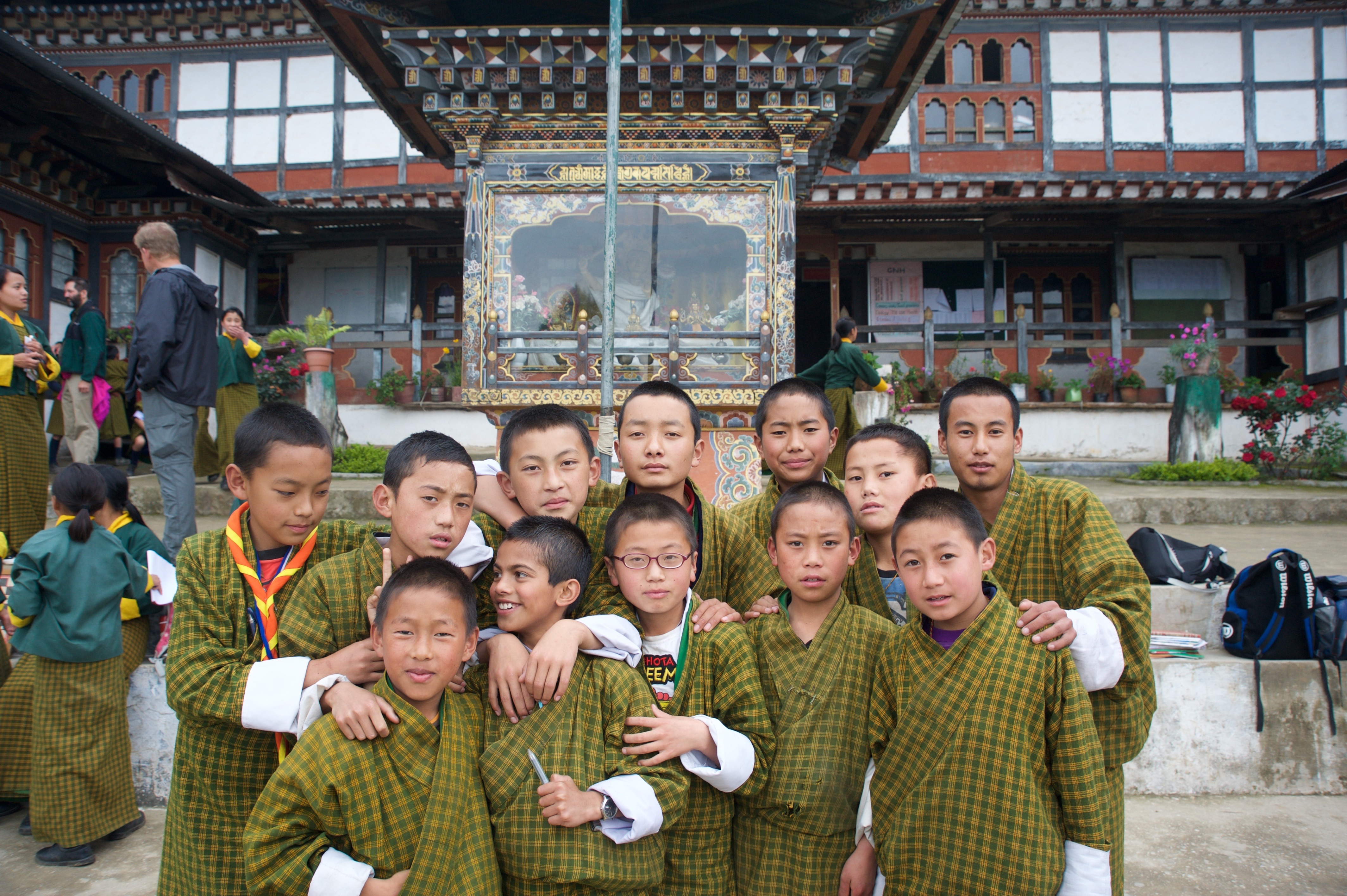
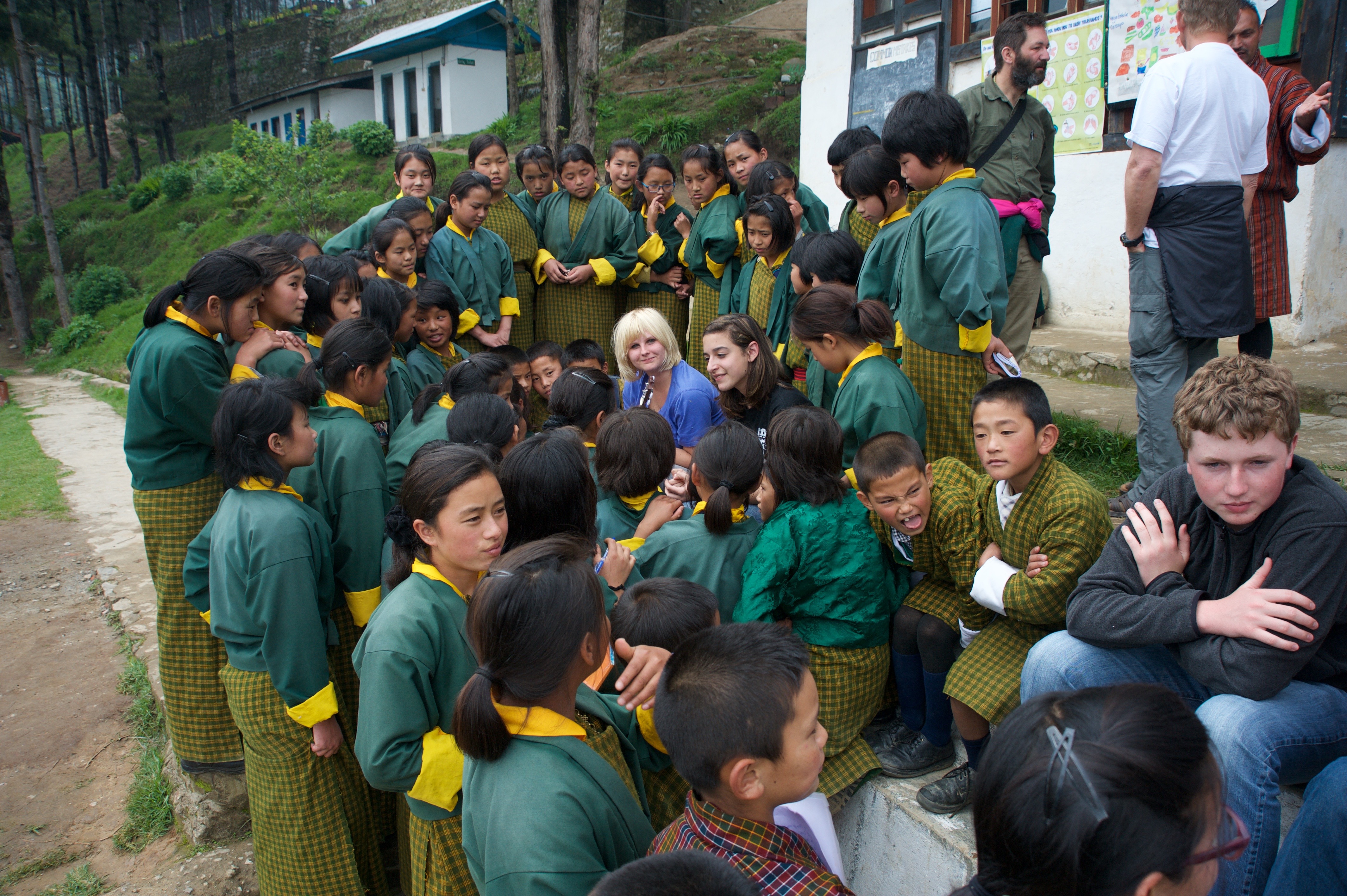
We began an early morning (6:00 AM) ride to Trongsa. The road across Bhutan, as I have written in the past, is a work in progress. We trudged along through dirt, mud, gravel, and pavement to Namgay’s village and the Tsangkhap Lower Secondary School. I will write more on the events leading up to the school visit, but let me just say that our visit was magical. We connected with students in a way that just had not happened before this visit. Maybe some of the students remembered our last visit, maybe we were more open to the interaction. For whatever reason, we spent the afternoon connecting with the kids.
After the football match on a field of mud.
We dropped off many of the school supplies we sent to the school; ten more boxes of supplies are on their way thanks to the donations of students at Sandia Prep. In the coming years, I certainly hope we can supply this rural school with some of the things they need.
Check out the photos…I’ll post more extensive photos when we reach better WIFI connections.
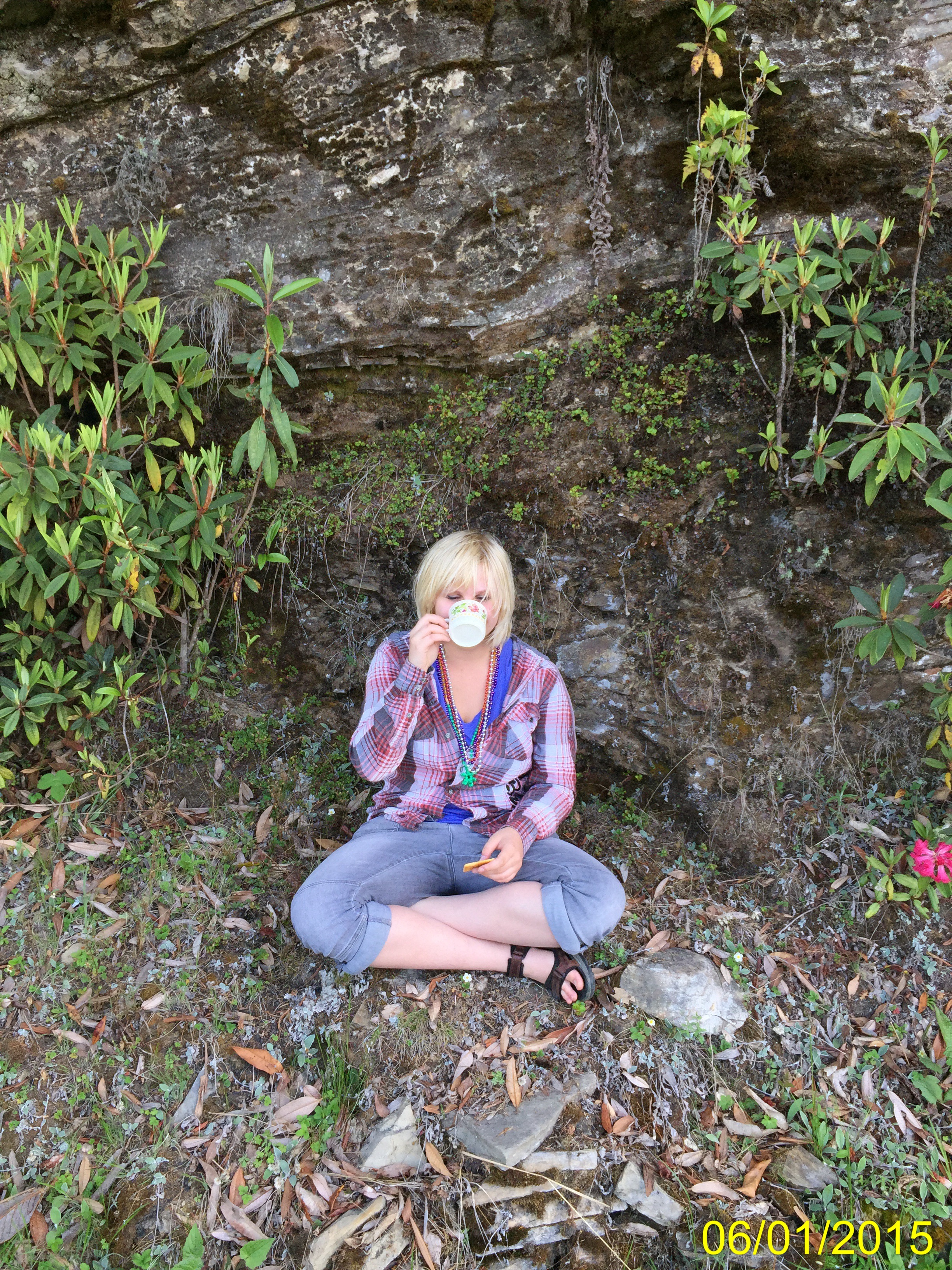
Cleaning the butter lamps.They begged me for a photo!Drinking tea on the roadside
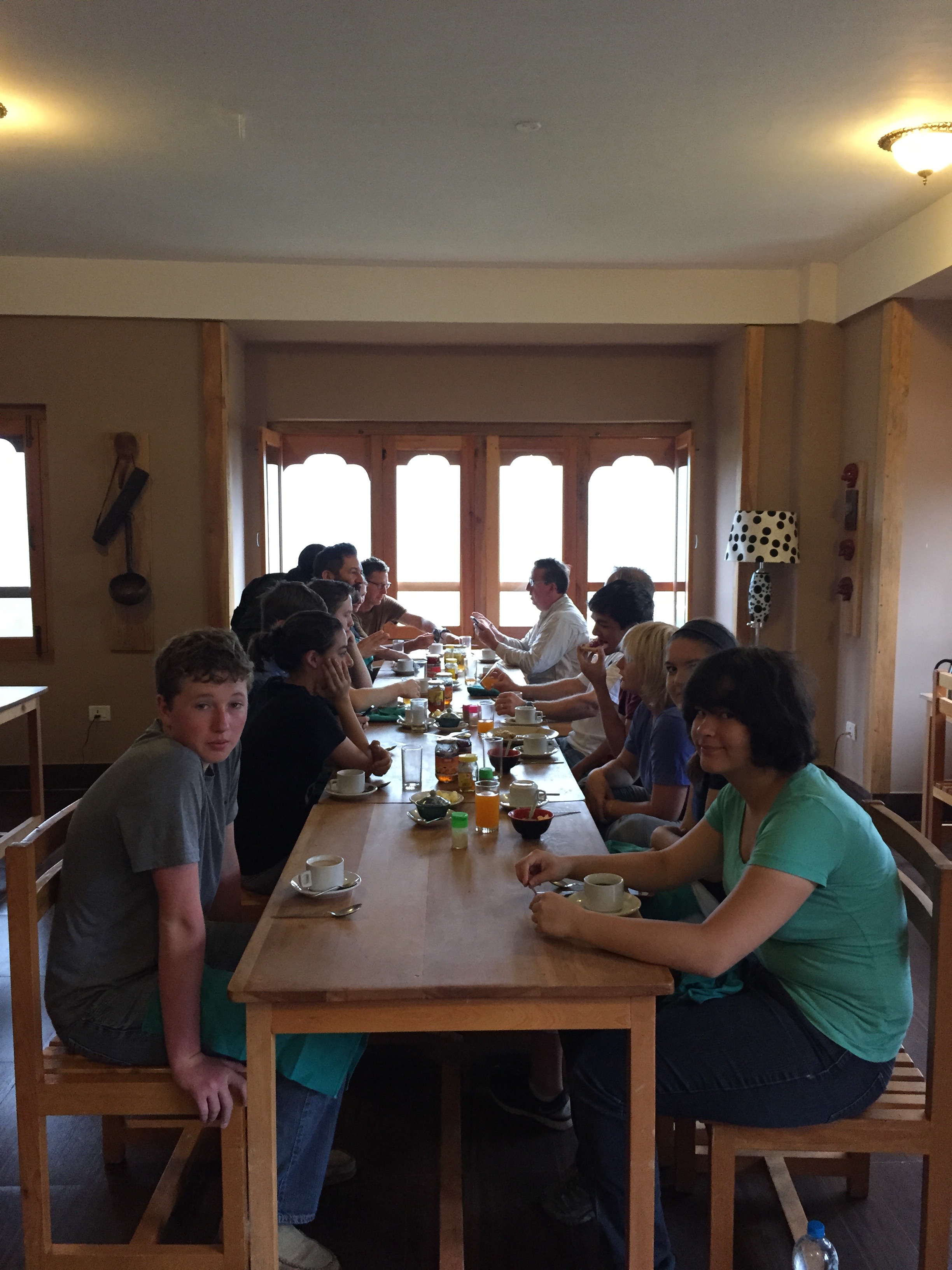
The morning communal mealThe cultured crew.Pele La Pass…on the road to TrongsaThe question and answer session.Layla, again surrounded by students.
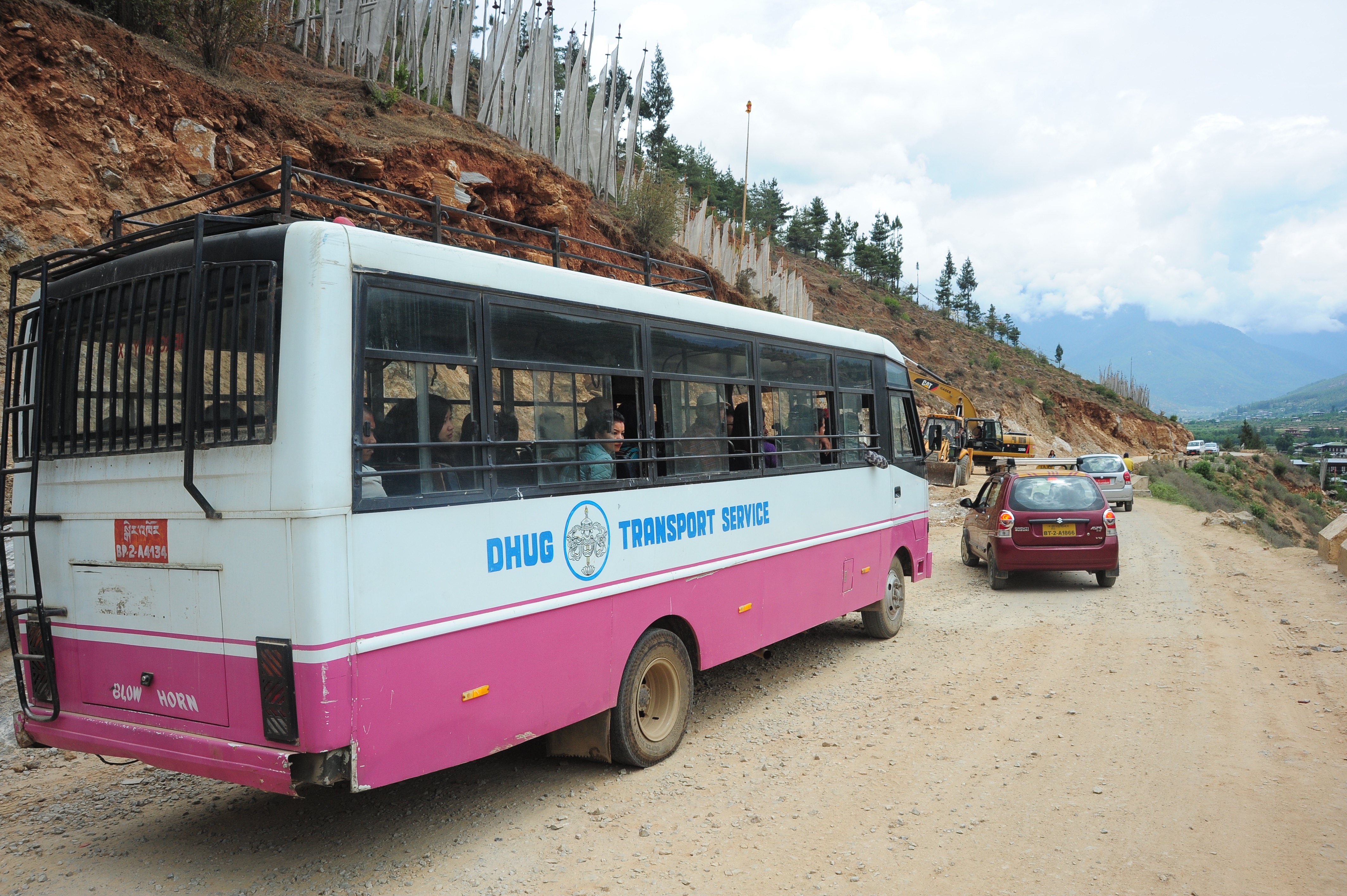
Our day began with an early morning rain shower and then we eased into a rhythm on the bus to Punakha. The roads in Bhutan, I have found, are always so very close to being completed. Since there is only a single road that crossed the country, it is in some state of repair (or disrepair) as the case may be. Our three hour journey turned to five.
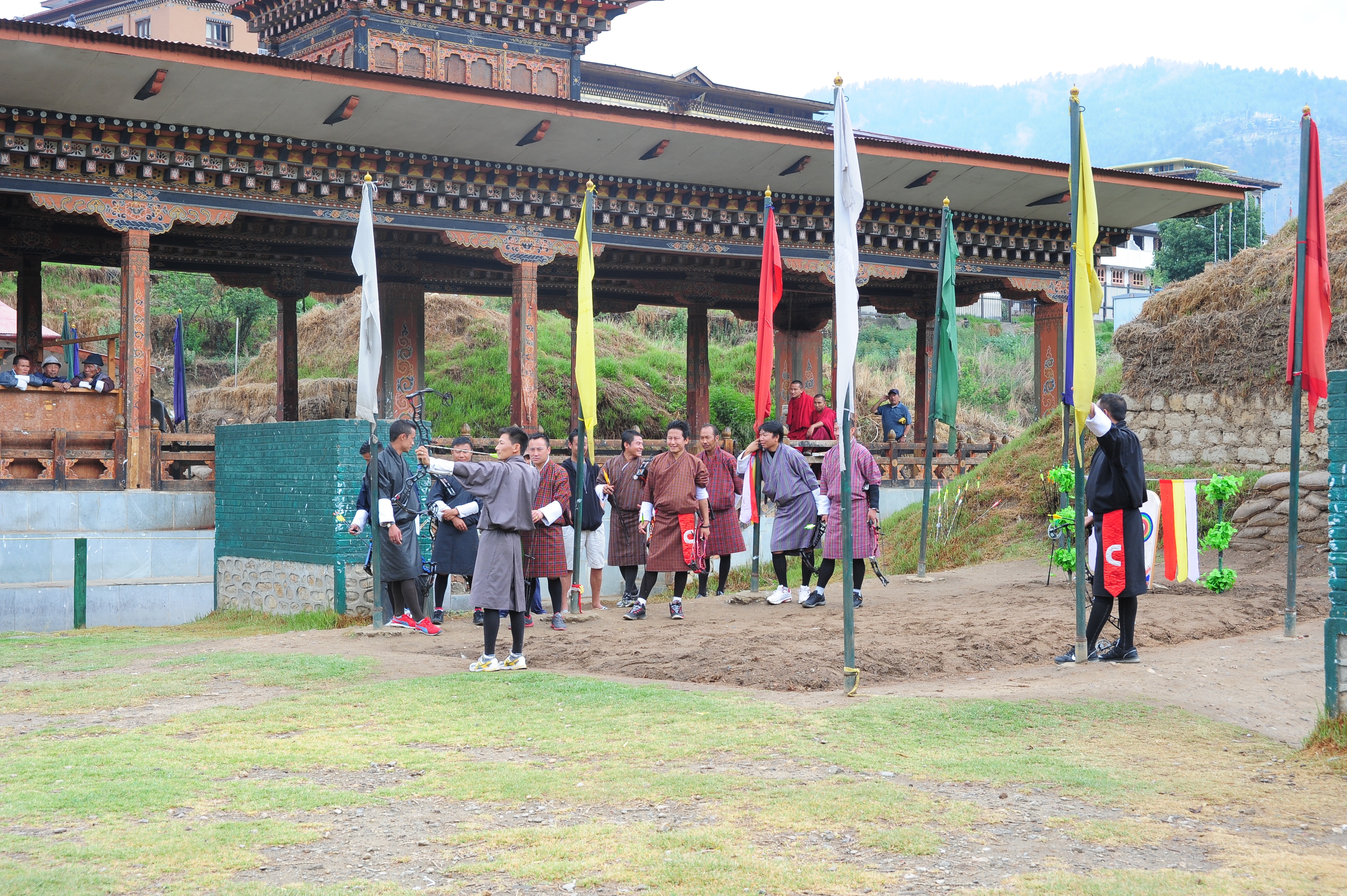
we started off with a visit to the national archery grounds in Thimphu and watched an archery match. The event was mesmerizing watching the archers shoot at a target 140M away. While they missed the target about half of the time, when they hit the small board, the losers danced and sang.
Archers ready for the shot.
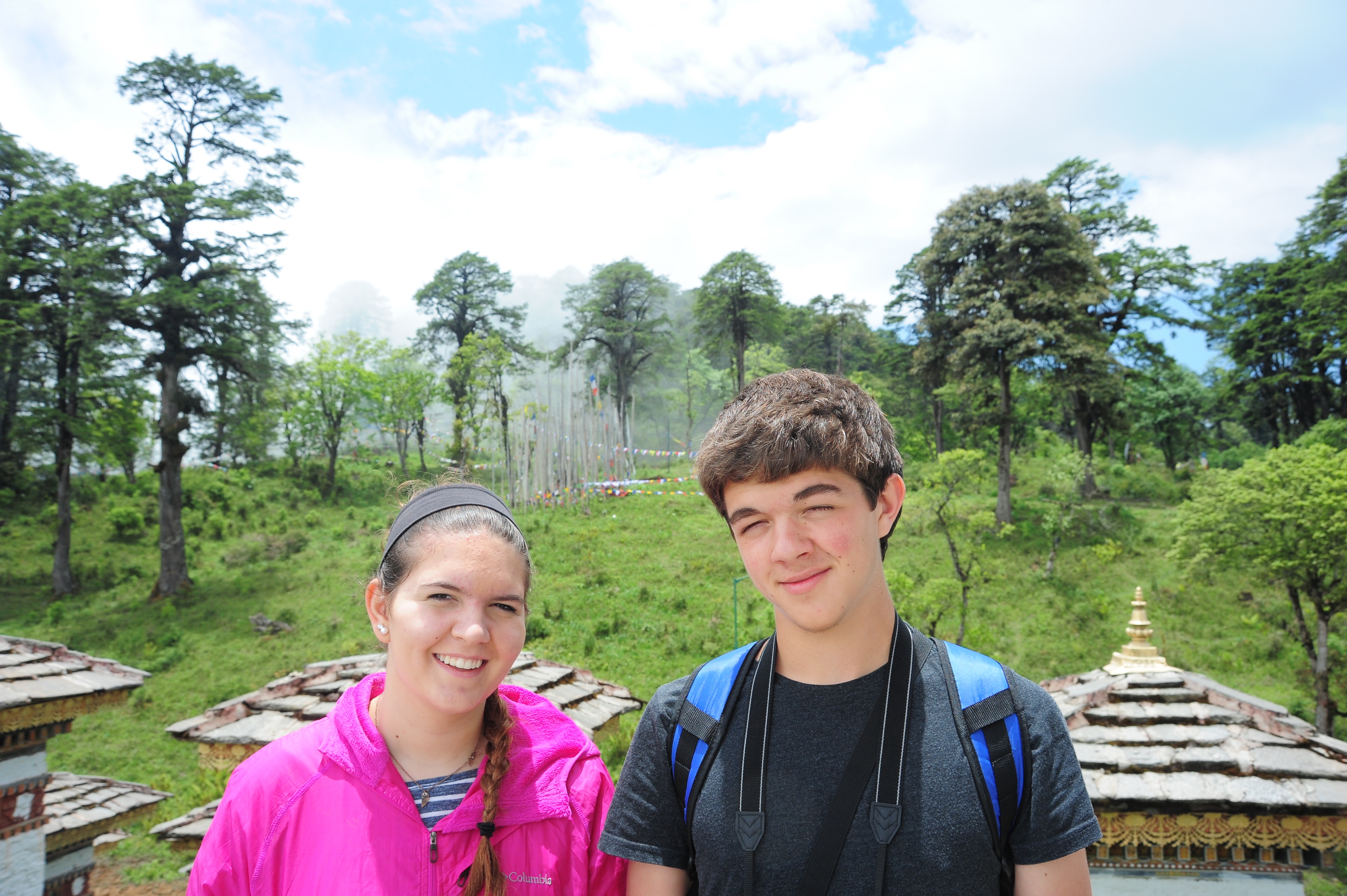
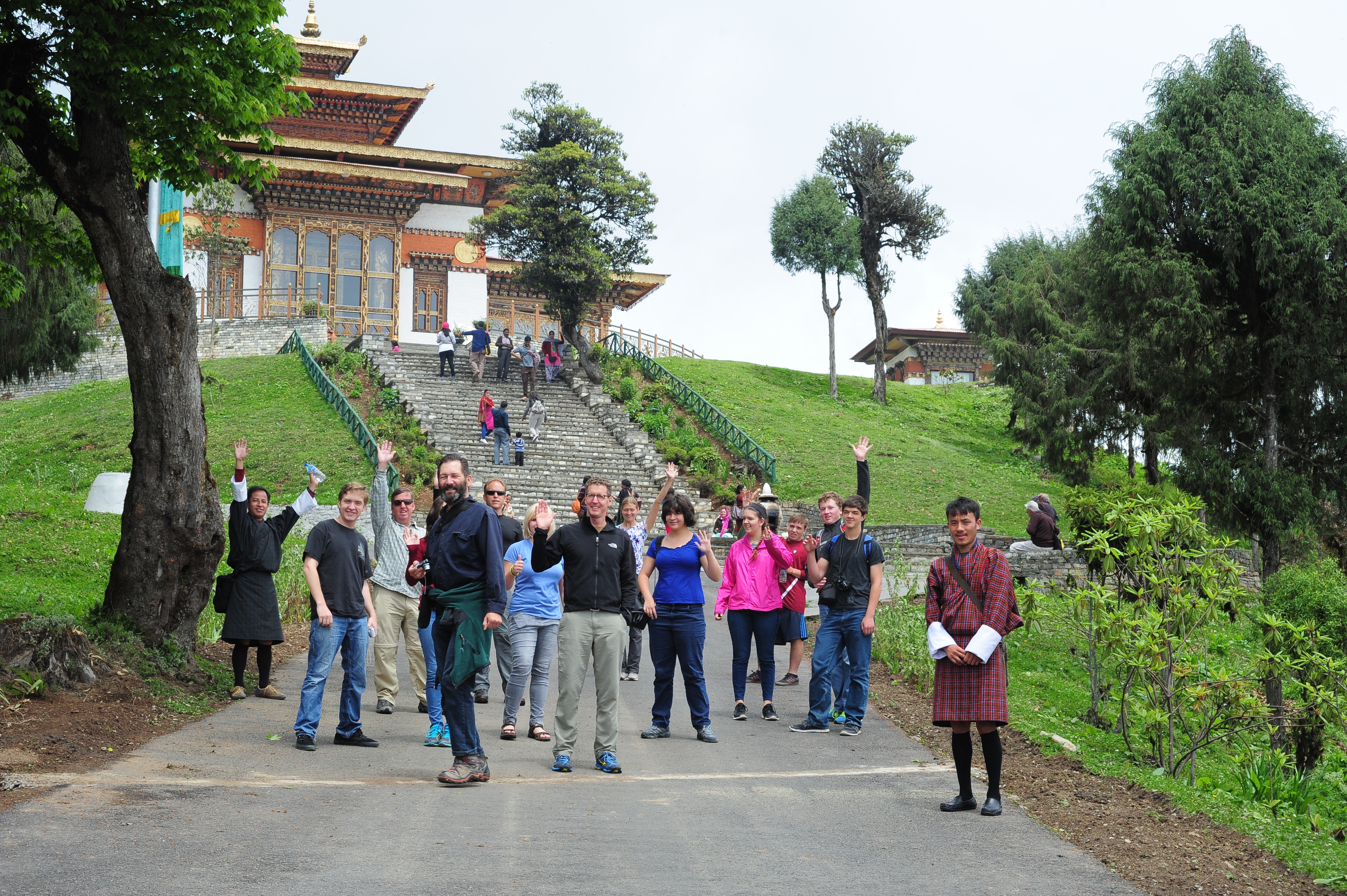
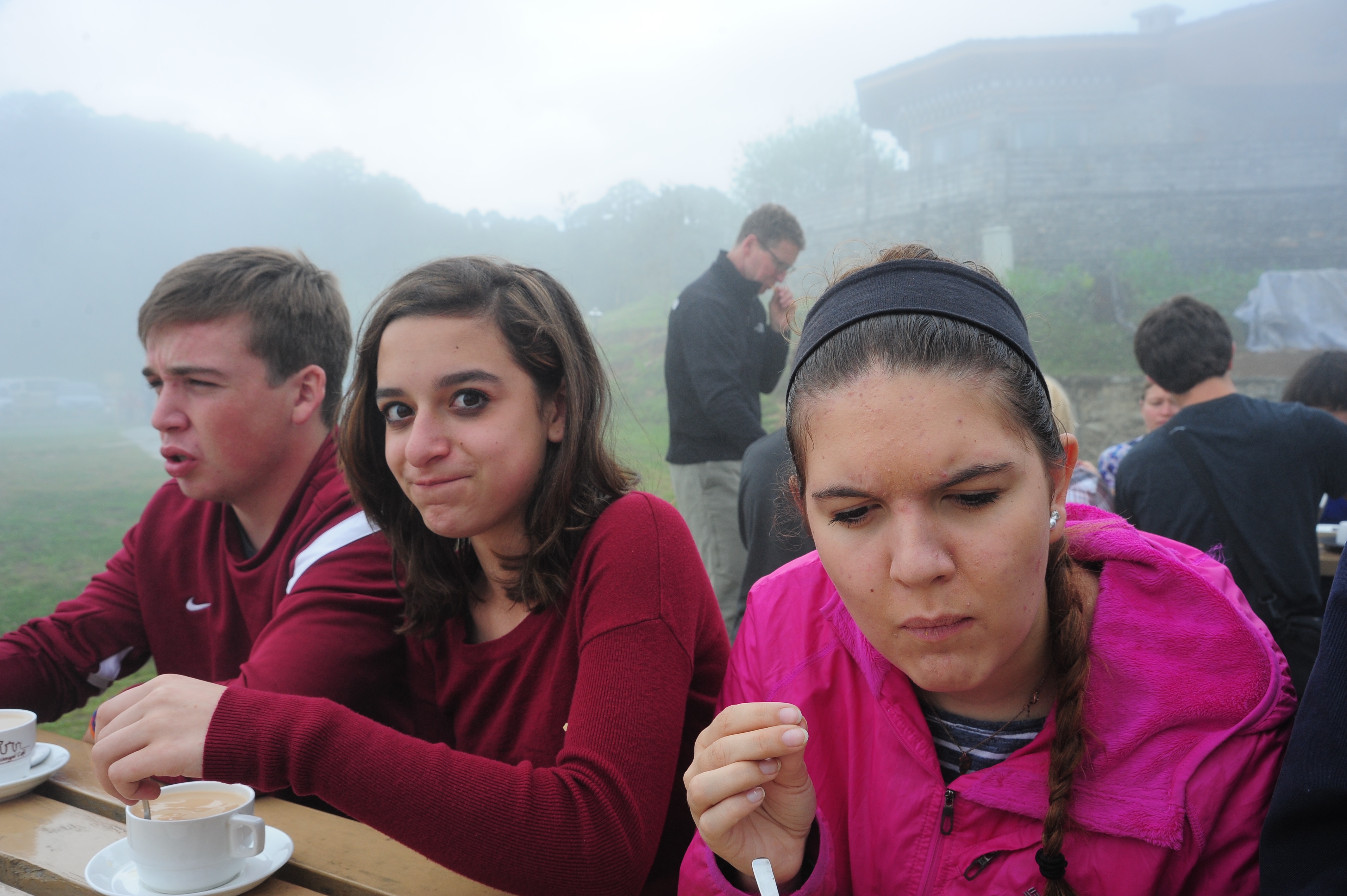
Our first stop outside of Thimphu was the Drolma Pass and the temple in honor of the fourth king. We stopped for tea and biscuits, sat outside in the thin air and watched the clouds roll in an over the mountain side. The morning was idyllic in a way that only Bhutan can engender.
After the pass, we traveled down the dirt/gravel/paved surface to the Temple of the Divine Madman. I’ll save that story for the students to tell, but in a nutshell, the Divine Madman was among the most remarkable people in early Bhutanese history.
On top of the pass.
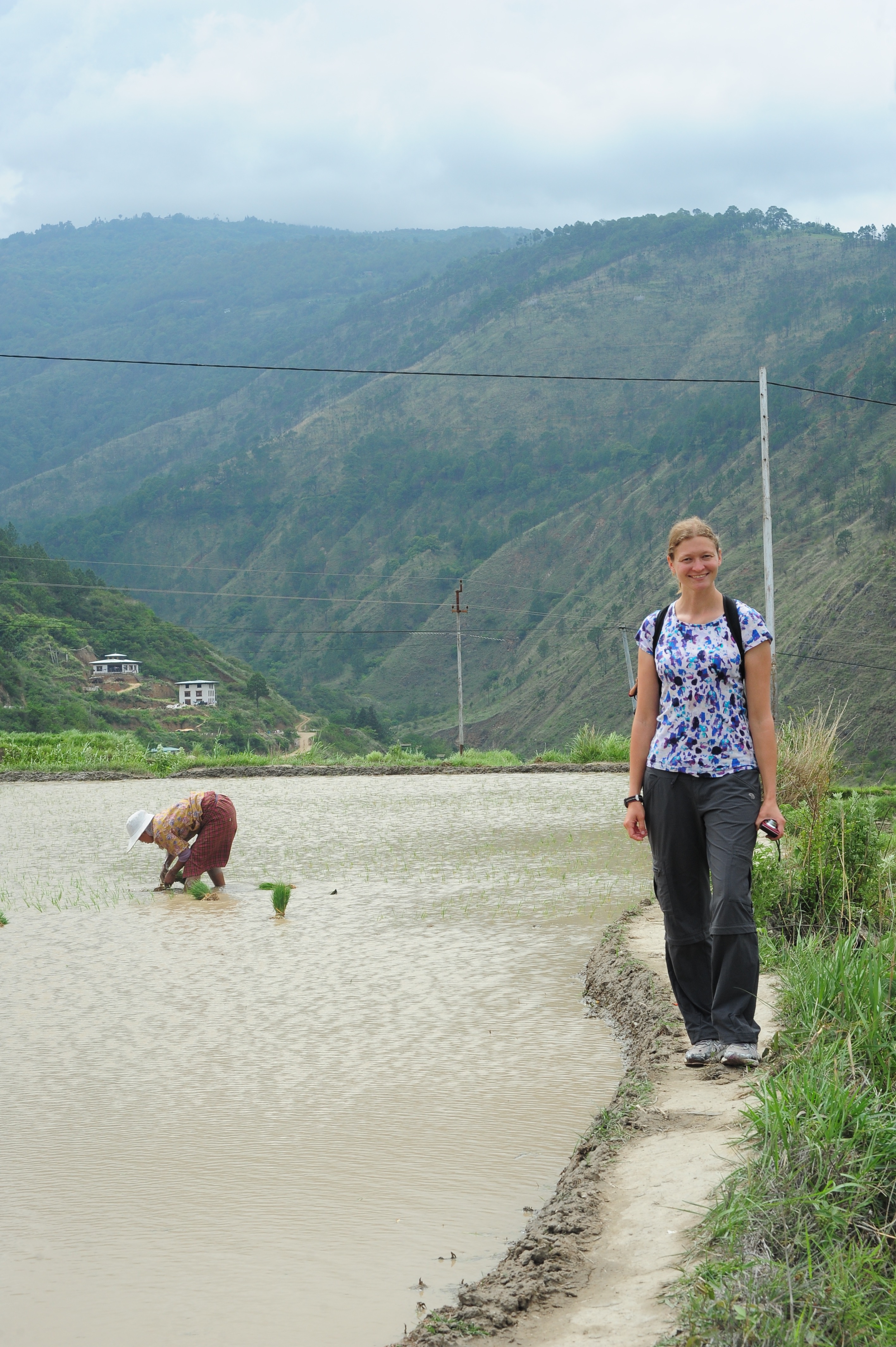
Our walk to the temple included a hike through the rice patties and meeting folks who were planting a new crop. The work is backbreaking and those folks deserve respect for their hard work and effort.
Walking to the Temple.
From the temple we headed onto the Punakha Dzong. This massive structure is the winter home of the king and his staff. Pictures simply do not do justice to the space and the shrine room.
Tea at 12,000 feet.
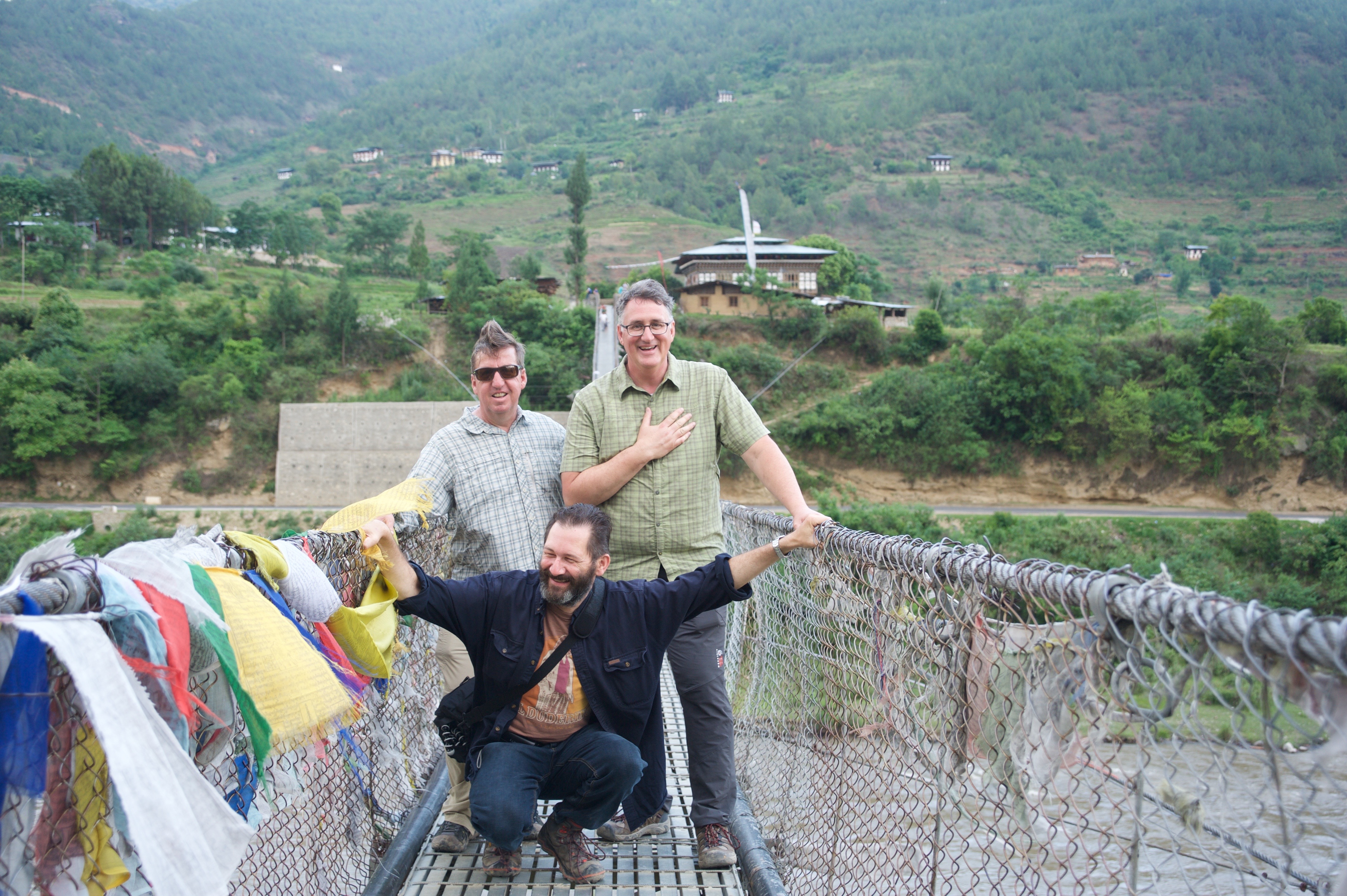
From there we walked past the cremation grounds and onto a suspension bridge that crosses the Po Chu river. From there we headed to the hotel in Lobesa and an evening rest.
Tomorrow we meet with students at the Tsangkhap Lower Secondary School and hopefully play a game of soccer!
Namgay and a very shy little boy.
Walking along the rice patties….Austin, soccer ball in hand, looking for a match.
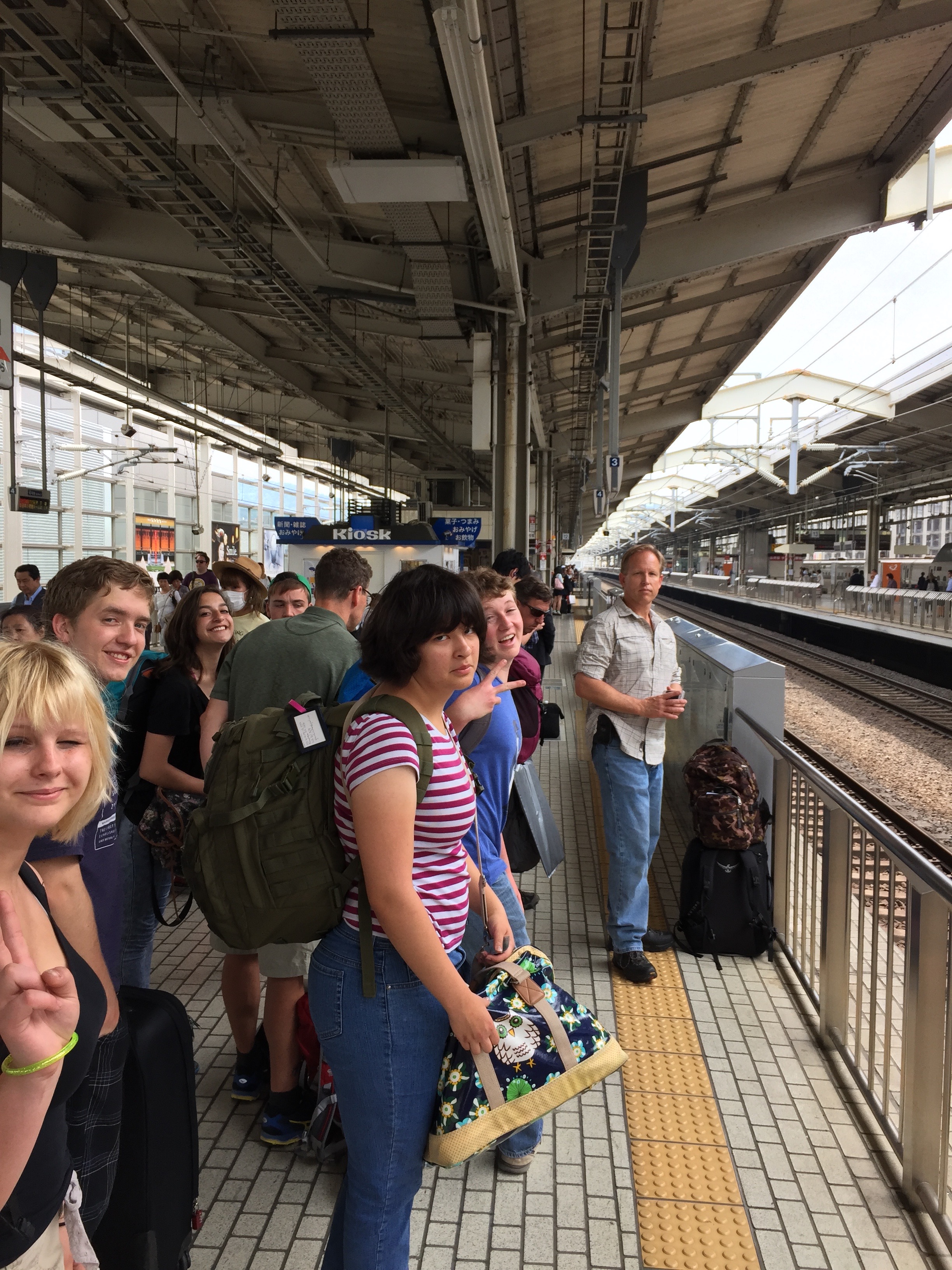
On Friday, our day began with a relaxed final morning in Kyoto. We wandered over to a coffee shop (Sagan) and then made our way to Kyoto Station and the Shinkansen. The trains were crowded this AM and so we had to wait for the more empty one (with our unreserved seats) to make the journey to Tokyo.
Waiting…again….this process is becoming a pattern.
I may have said this in an earlier post, but the Japanese have done an excellent job of moving people from place to place with relative ease. We quickly moved around the country or within a city using busses, subways, and trains. For those who have traveled in Europe, this experience is similar….for Asia, Japan really sets the bar high. We really used the system to its fullest and that made the trip that much more enjoyable.
We eventually made it to the airport and left for our ix hour flight to Bangkok….a slight delay got us into Survanabhumi at around midnight and we headed to the hotel (Great Residence) for a three hour nap.
At Paro Dzong
Our very early wakeup call at 4:00 AM was refreshing, in so many ways!
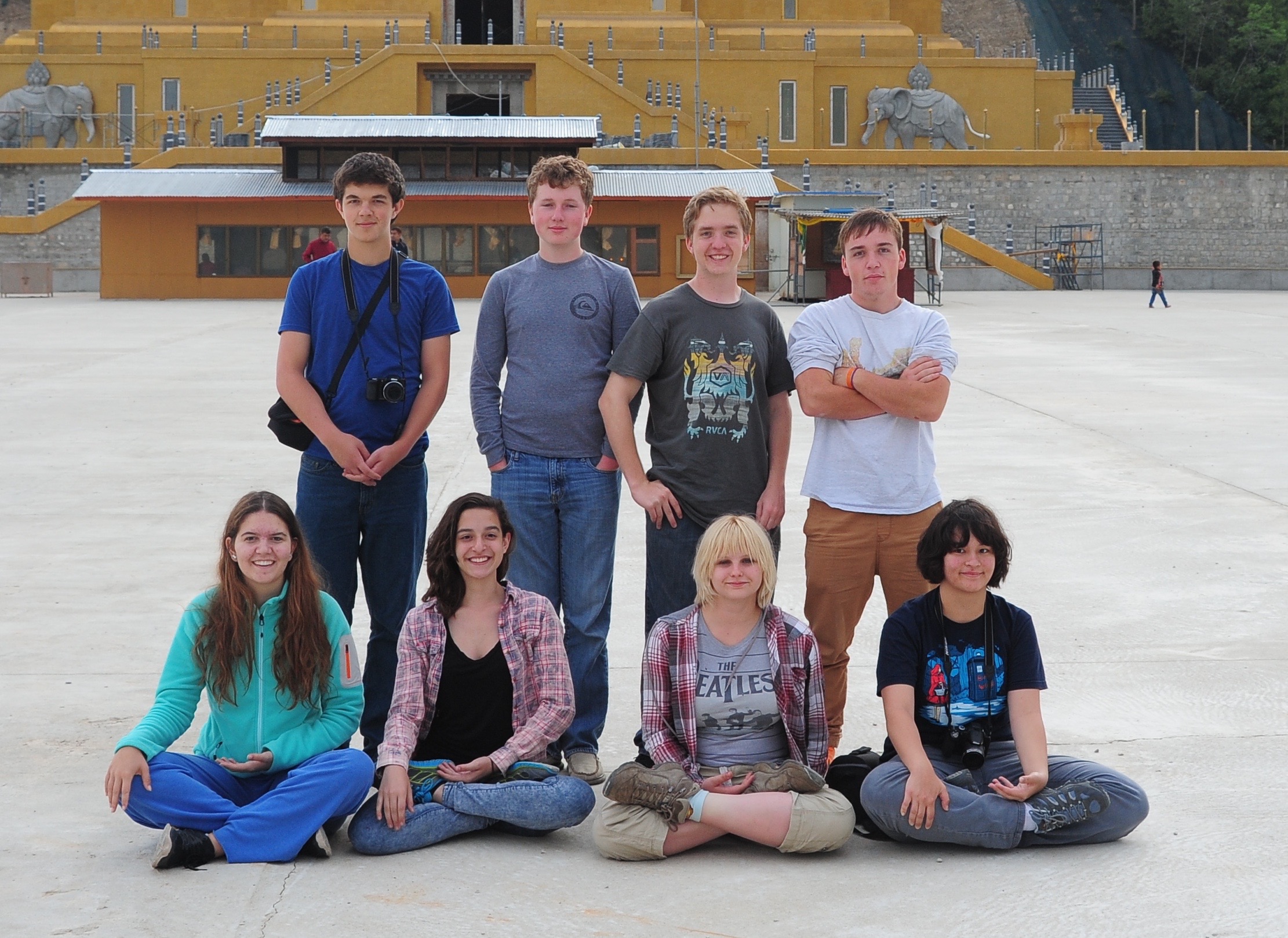
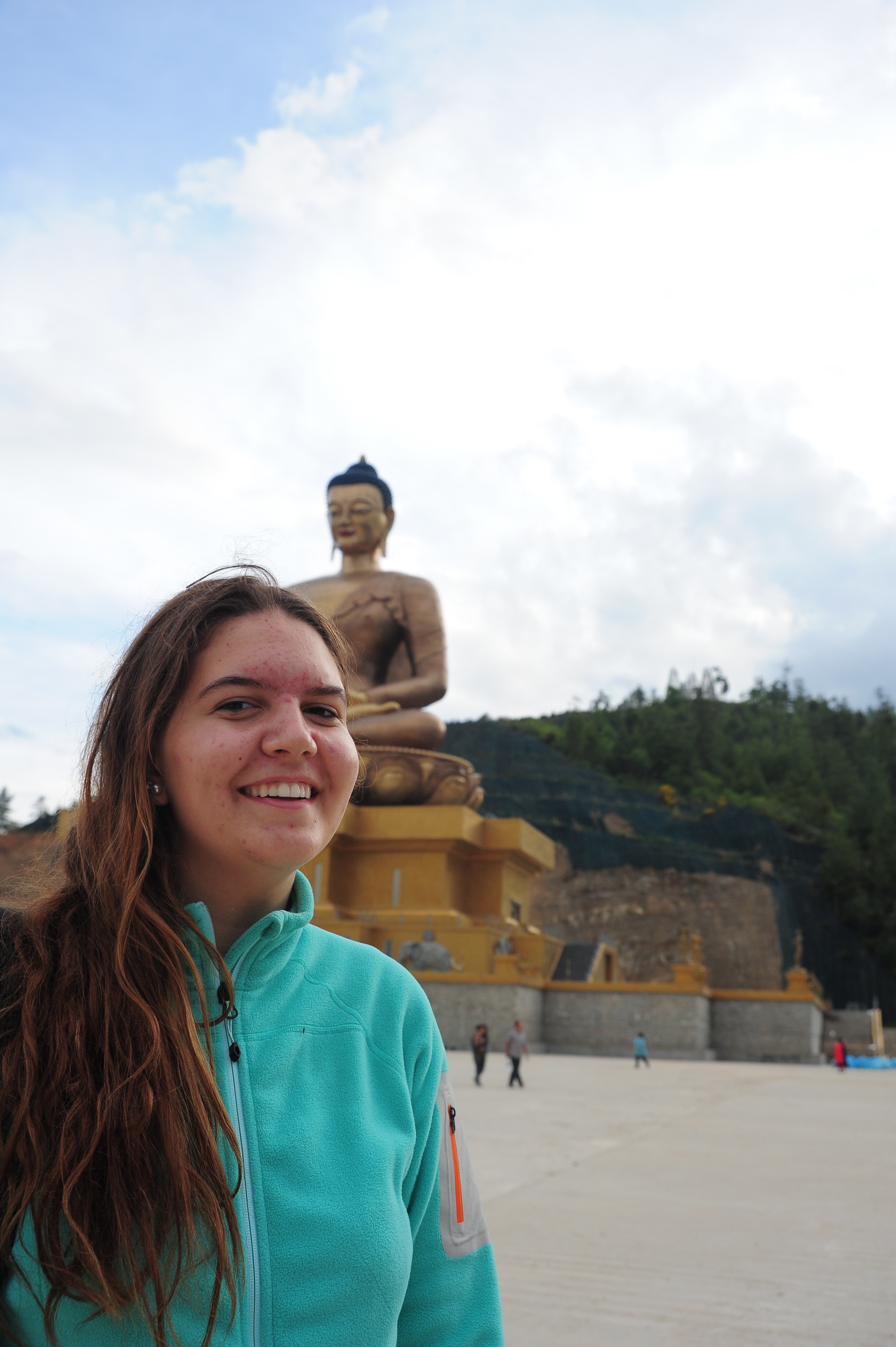
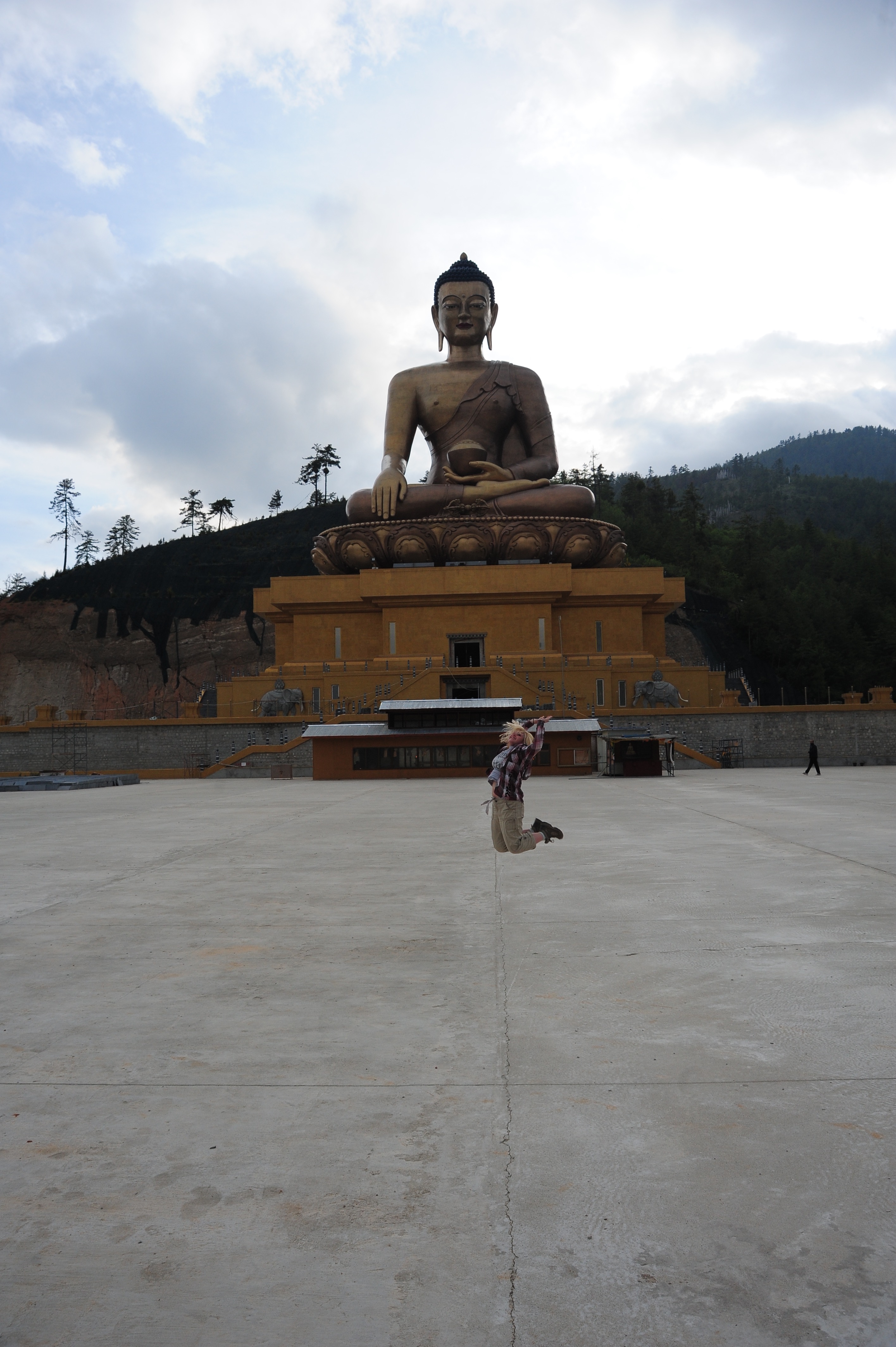
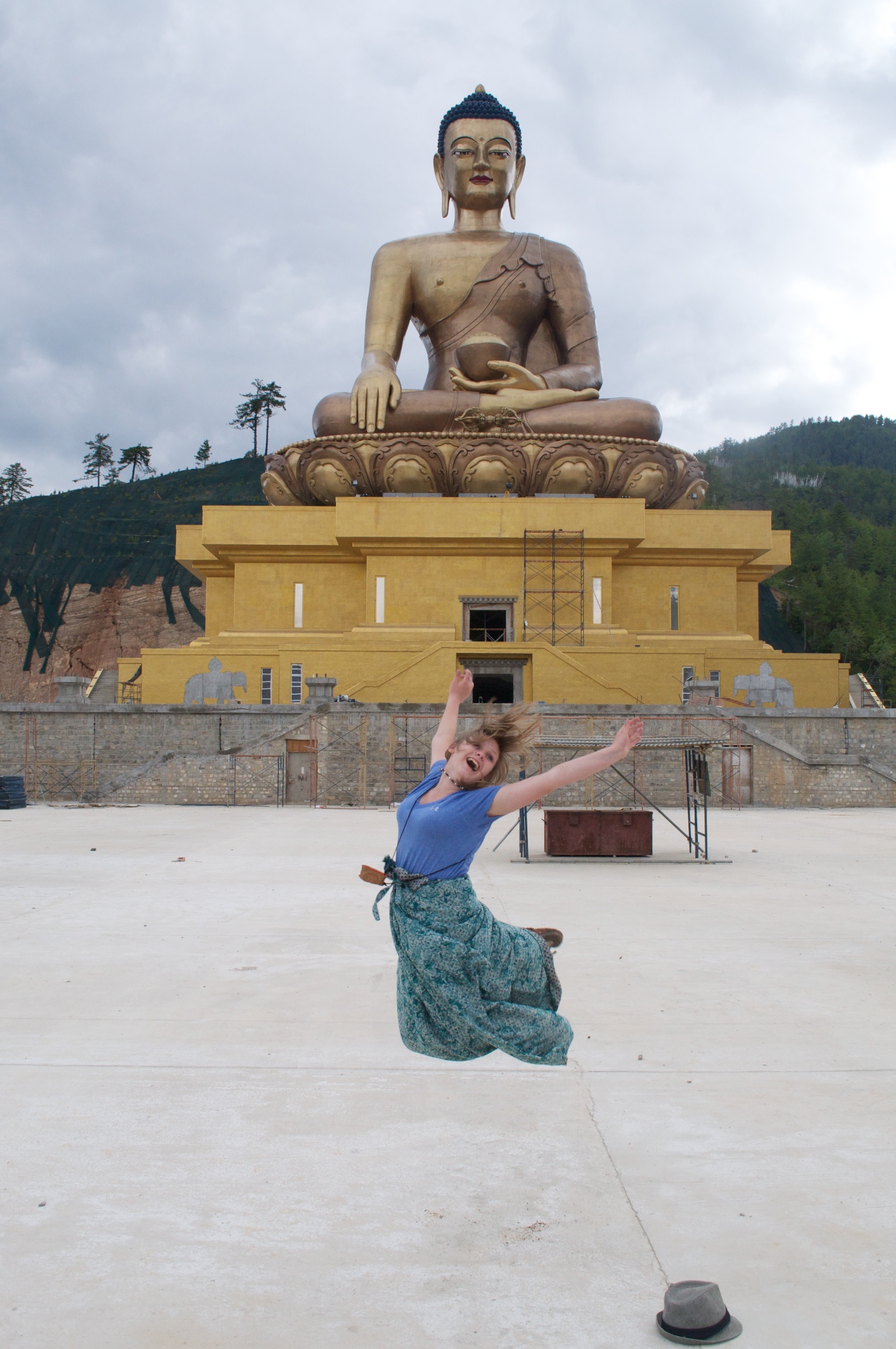
Our flight to Paro, Bhutan landed a bit ahead of schedule and we headed off into the country, walking to Paro Dzong, the National Zoo, and Buddha Point.
The group.
It’s going to take us a couple of days to catch up on sleep and to get into the groove of Bhutan.
Our trip sends us to Punakha, the original capital of Bhutan, and the Temple of the Divine Madman. Our day will be in the small bus, one winding roads, through high mountain passes and thick cloud-forest jungle. If we are really lucky, we will see the Himalaya range in the distance.
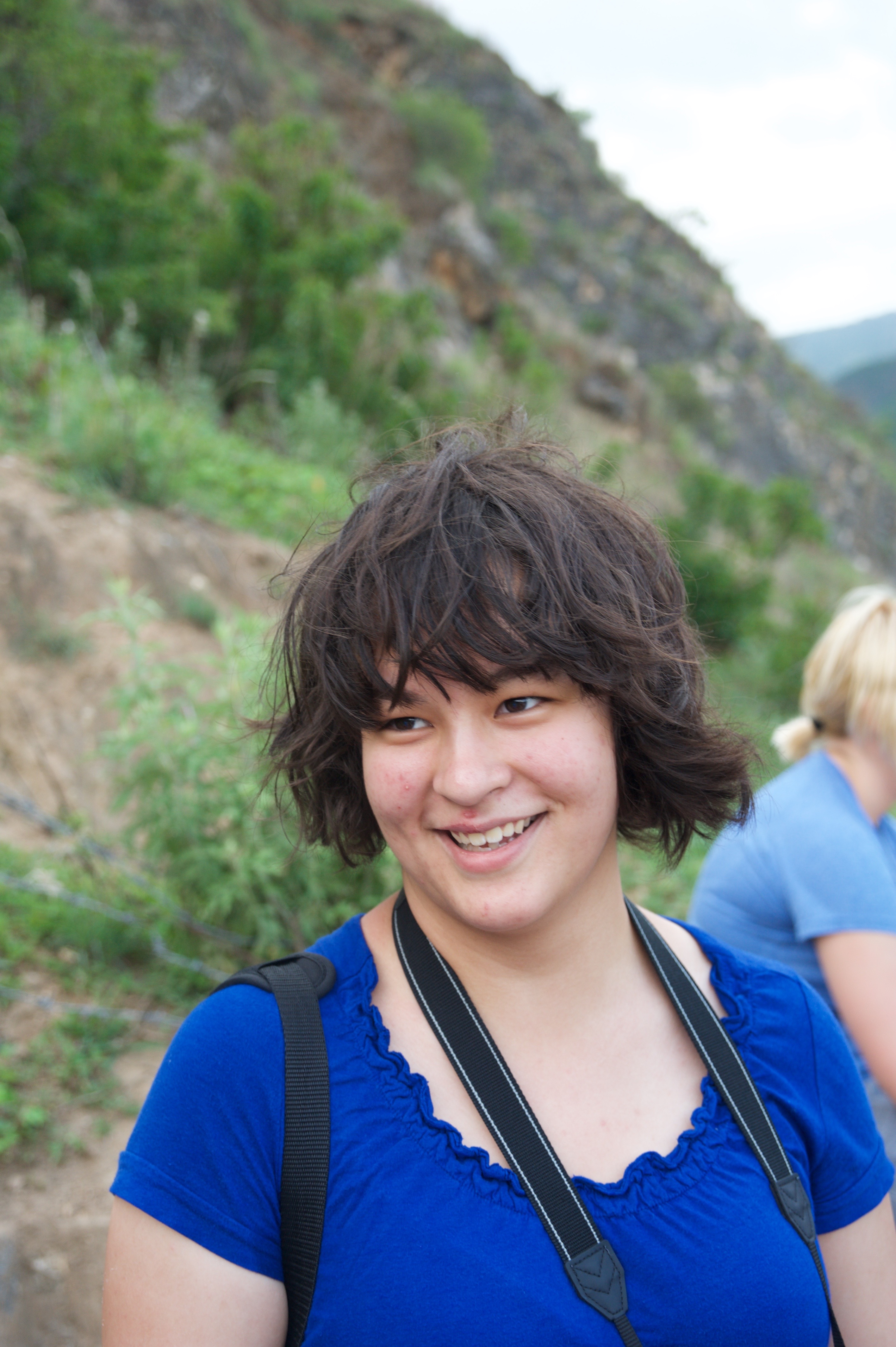
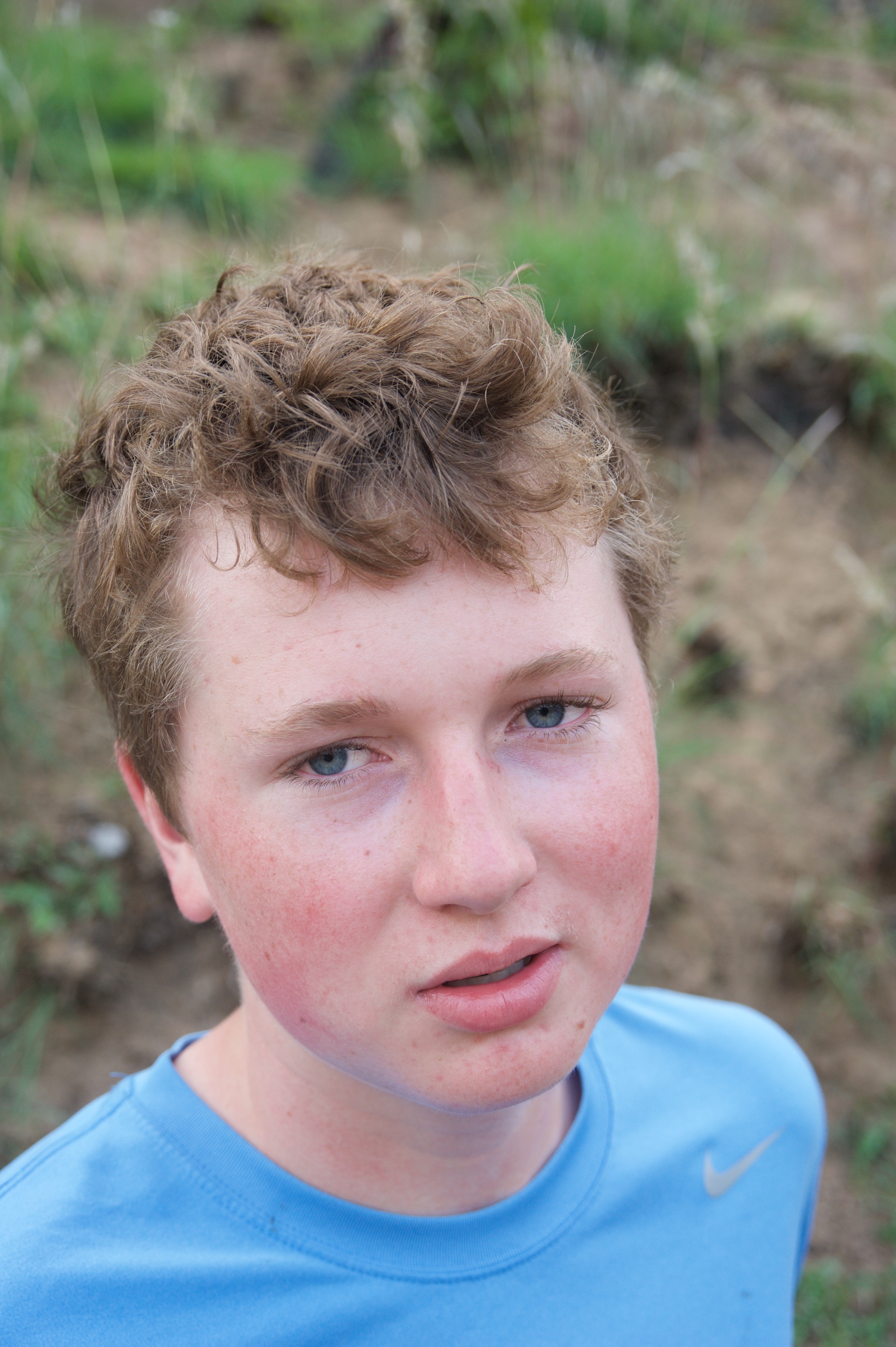
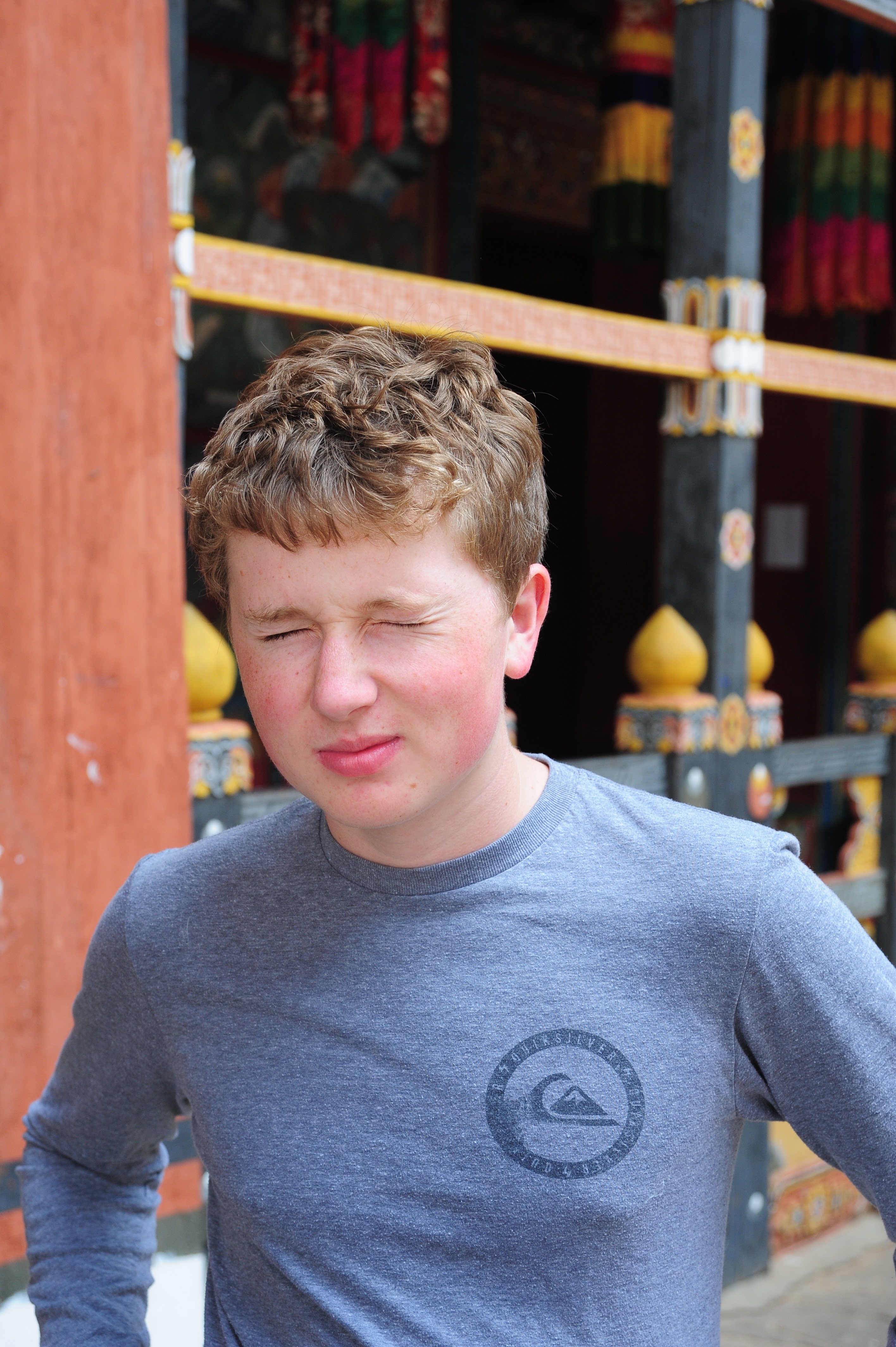
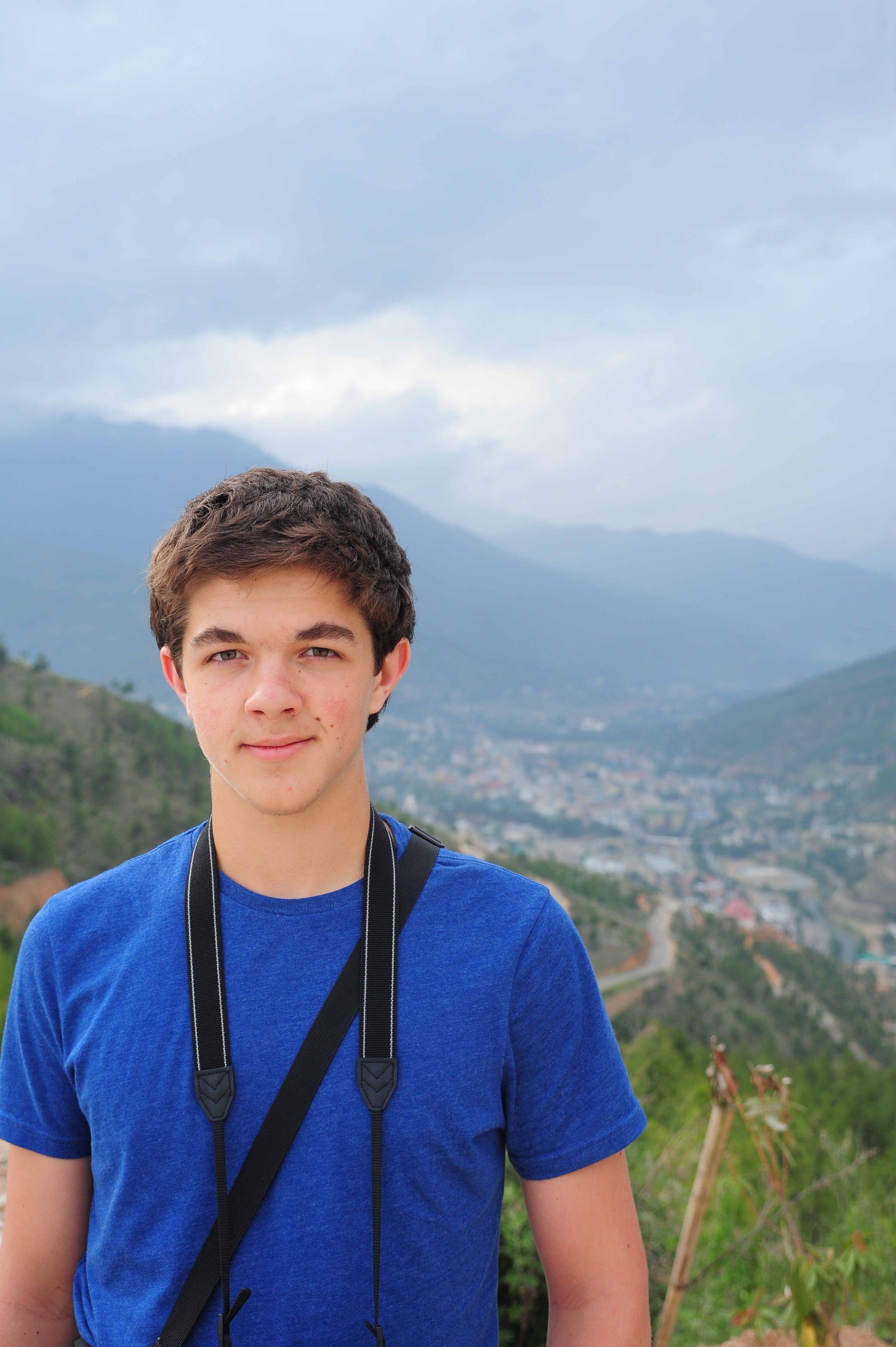
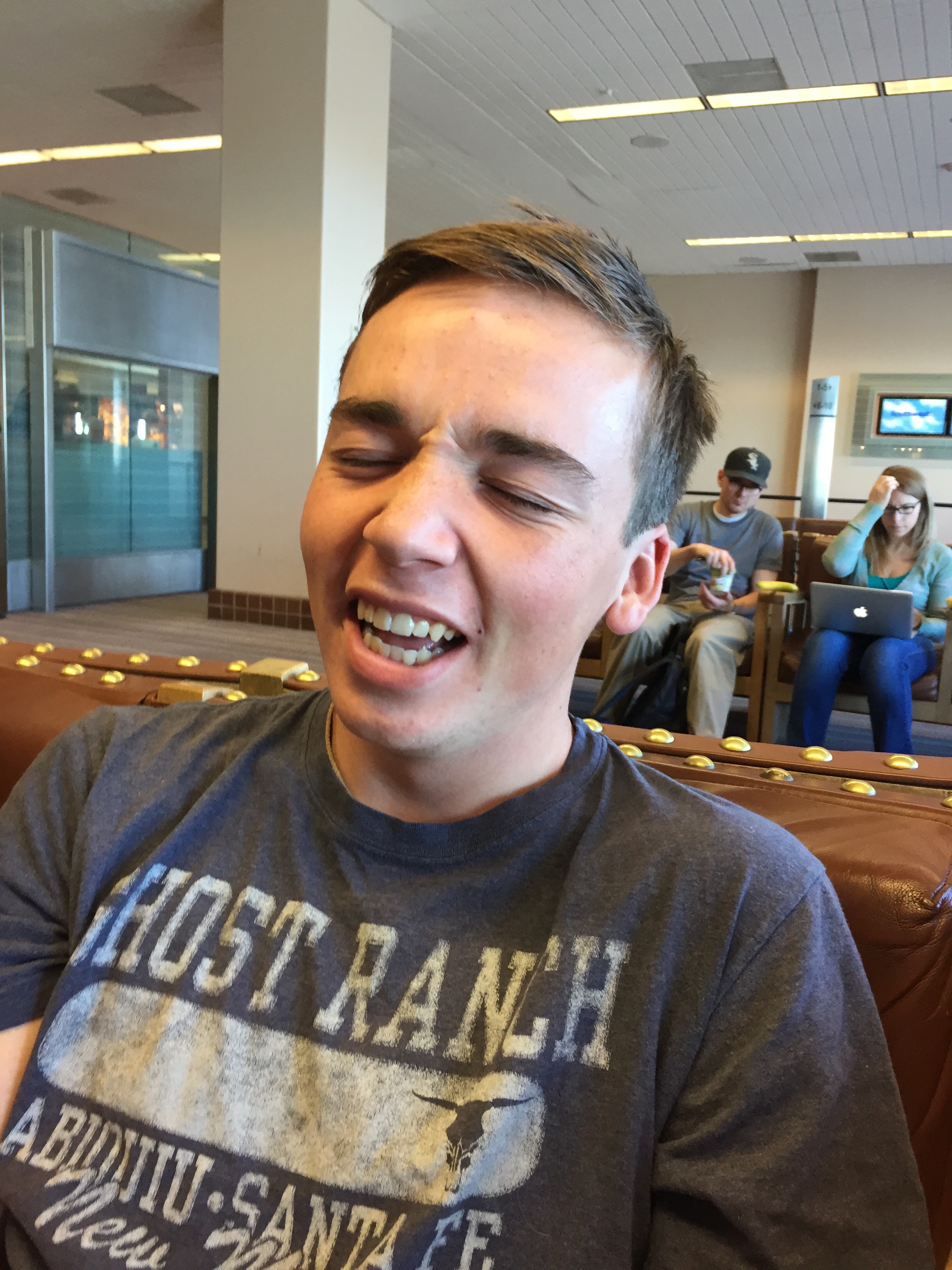
Yes, things are getting strange.The Father Son Team!I’m pretty sure Axel thinks if he closes his eyes, I’ll go away.Natascha grew to a remarkable size on our trip.Overlooking Thimphu…and we found Evan again!Jumping Layla.The Road to Paro.
We started our day with Joelle and I making breakfast for the group. Eggs, some kind of meat product, yogurt, Japanese pastries (more on that later), and fruit. We tackled the rice cooker and made some excellent rice to go with the whole thing. In a nutshell, a good start to a long day of walking.
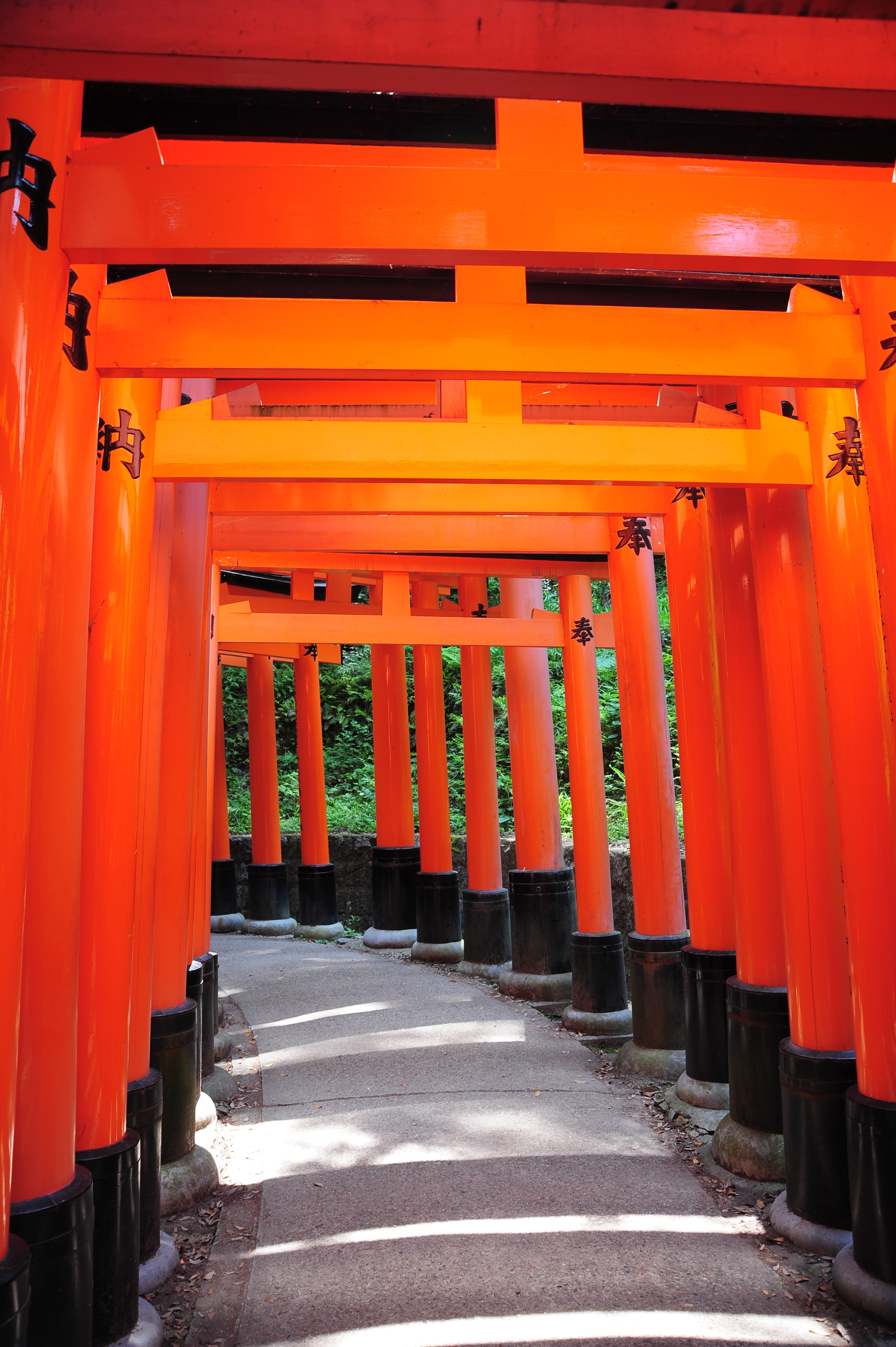
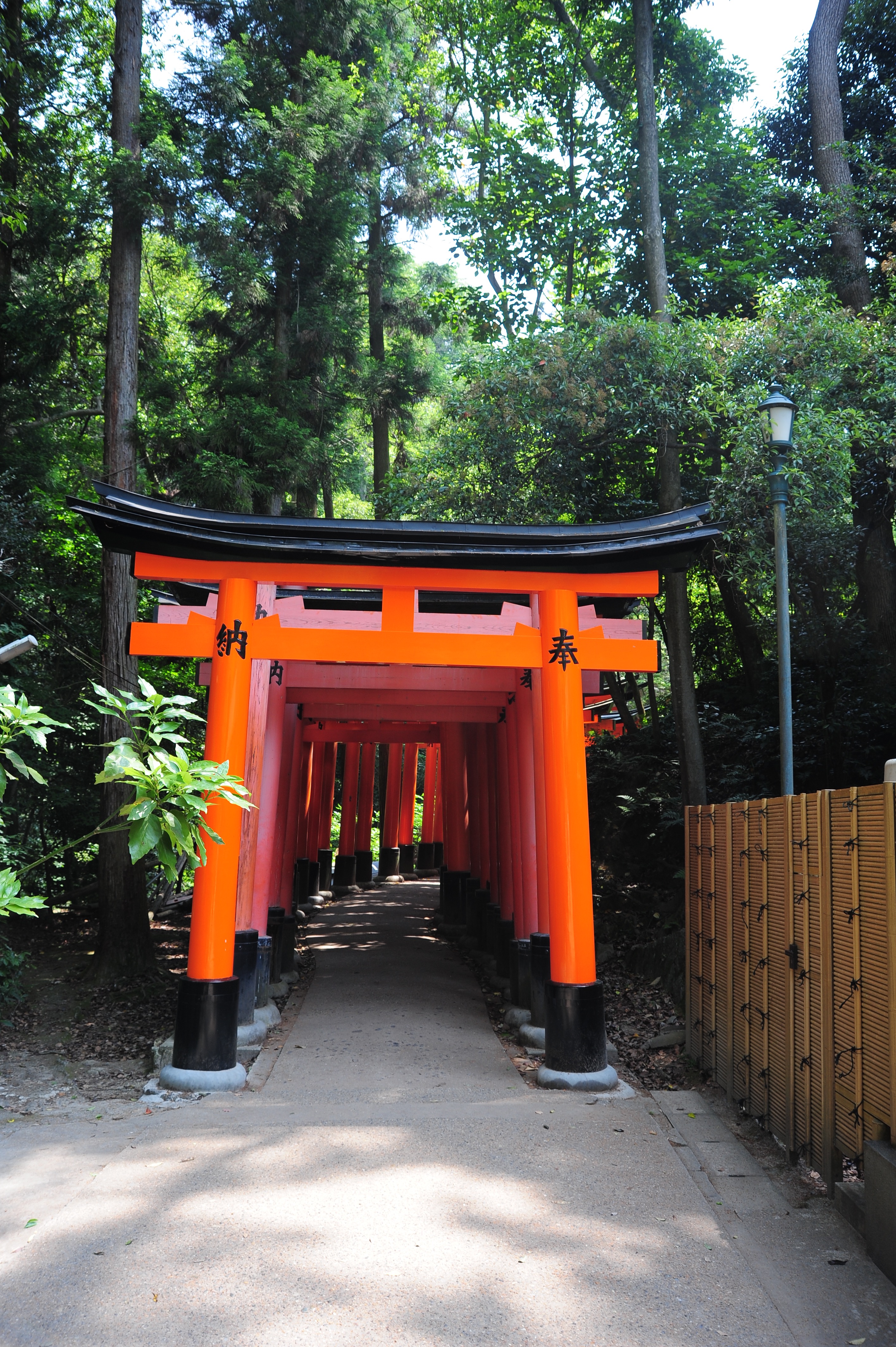
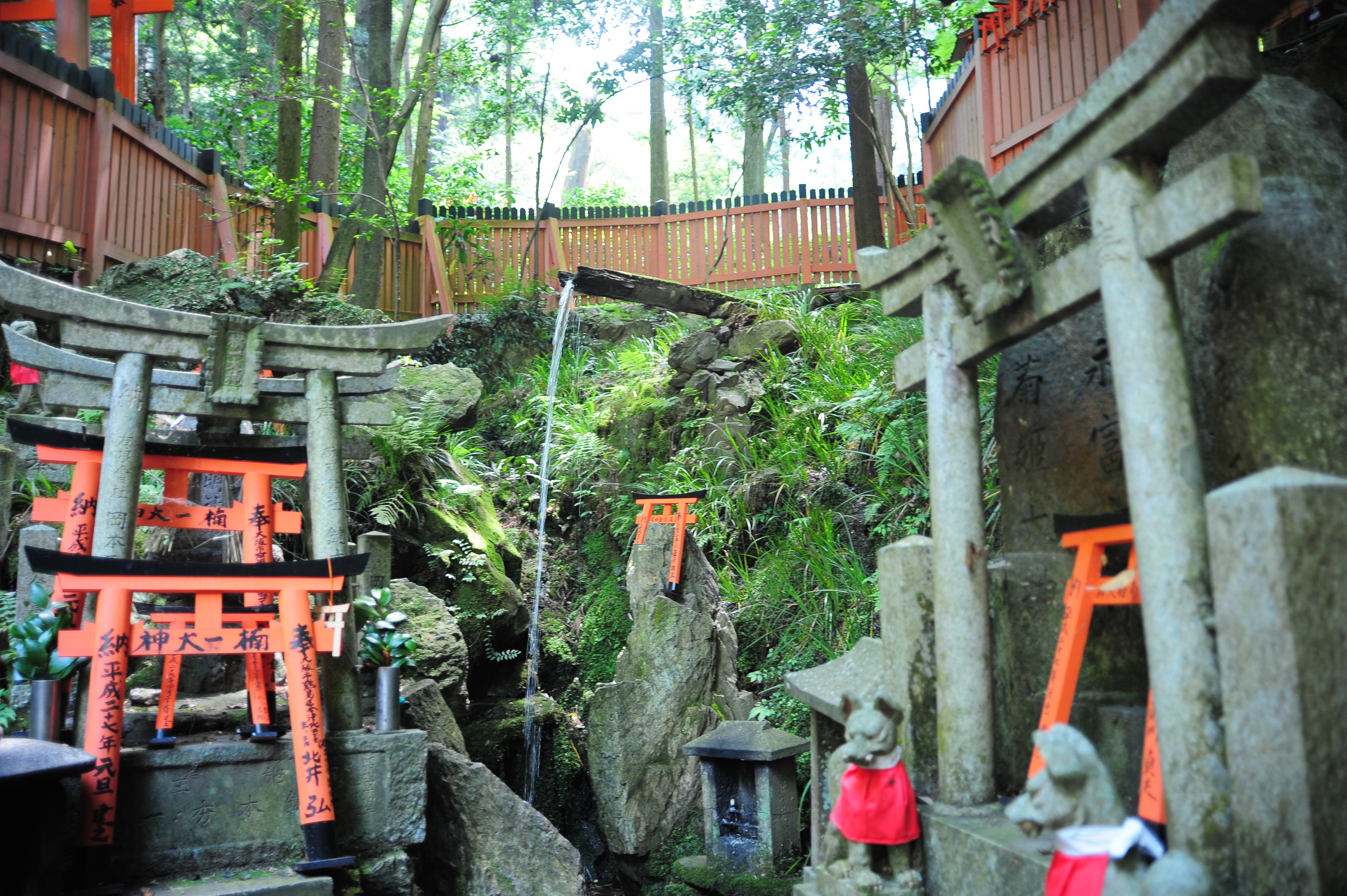
We took the Keihan line to Fushimi-ku (just 4 stops from our little house), a small town and site of a remarkable Shinto shrine. The hike through the forest and through 10,000 of these gates was such a refreshing experience as a way of leaving the crowds behind and finding the connection between nature and religion.
Walking through the torii.
We found our way to the top of Mt. Inari and looked over the city of Kyoto. Along the way we stopped at a variety of waterfalls, ritual sites, and more than one snack stands. A few of us bought candle to burn for loved ones (as you will see in the photos) and really grabbed just a little of the tranquility promised on the hike.
Entering the Torii Gates
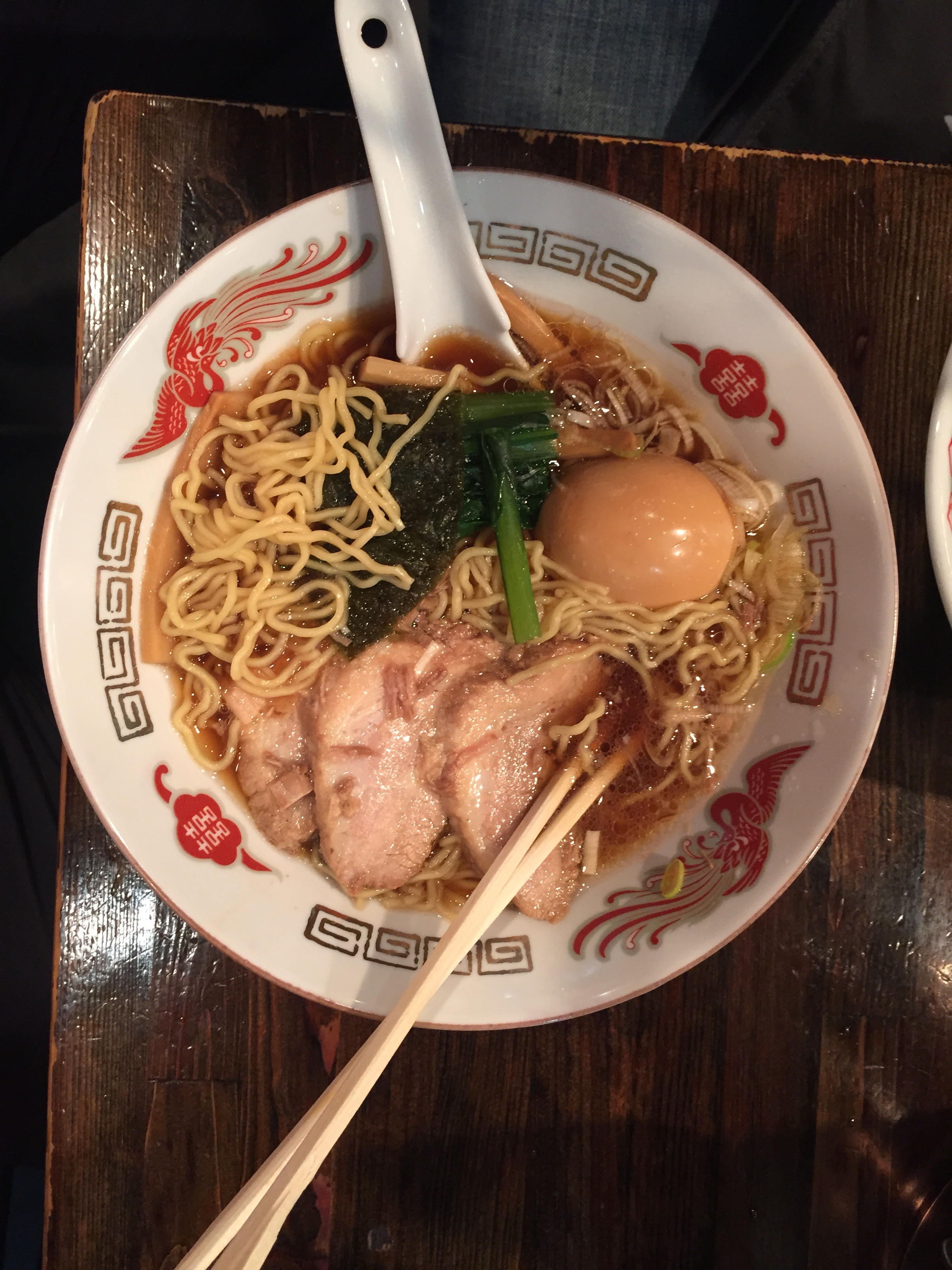
After our hike we grabbed lunch at little place right across from the train station. The food was exceptional. The variety of flavors in our rice bowls and ramen is worth the visit…just across the tracks from the train platform.
From Fushimi our plan was to go to the Heian Shrine and Gardens….alas our journey was in vain; the gardens now require a special permit only Japanese tour guides can acquire…we were left OUT. However, we turned that experience into a chance to spread out in Kyoto and find our own way in the city. We divided into small groups and spent time in the Shijo area….some of us found a souvenir or two, others were content to wander in the reckless abandon that is shopping!
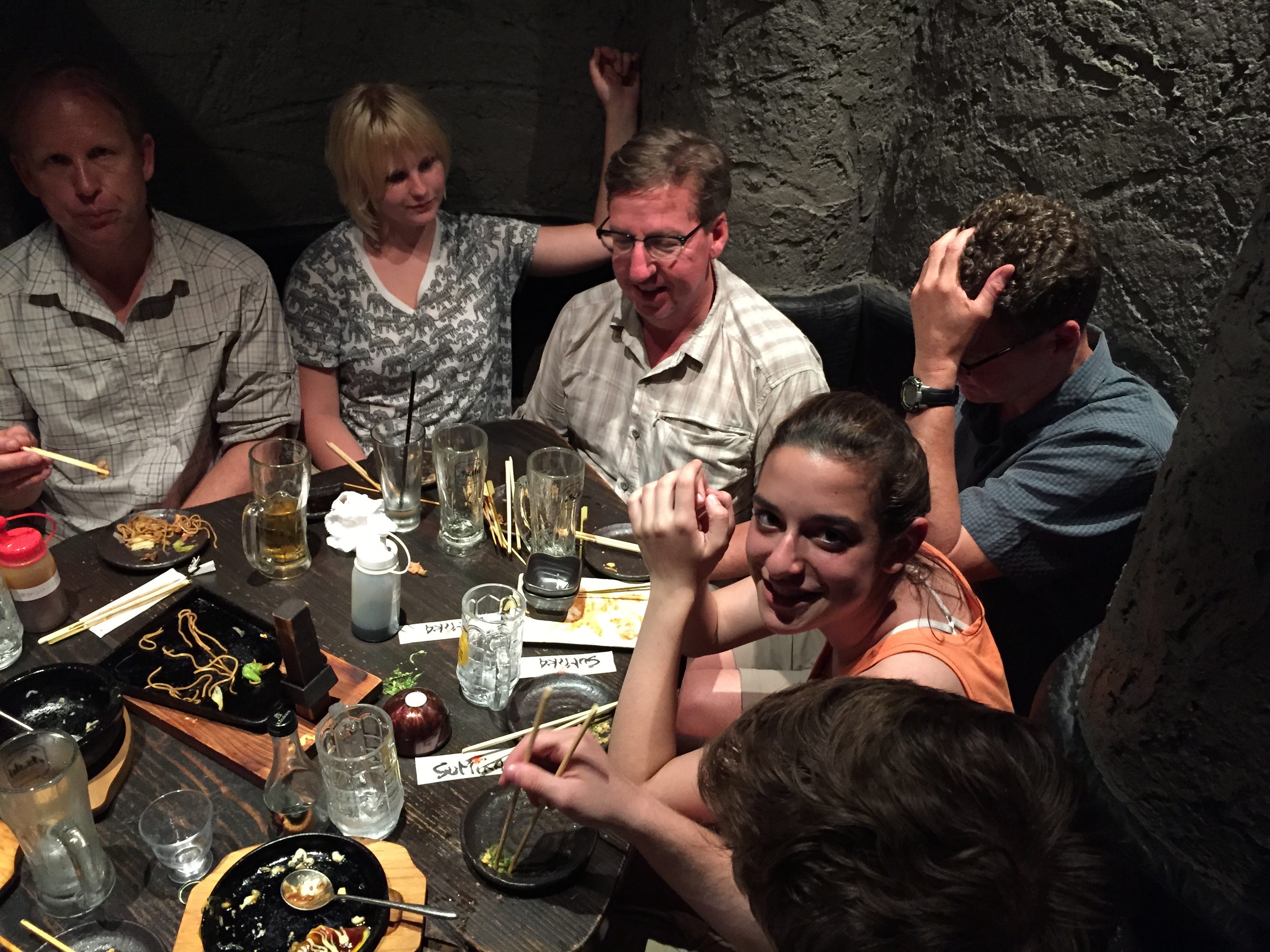
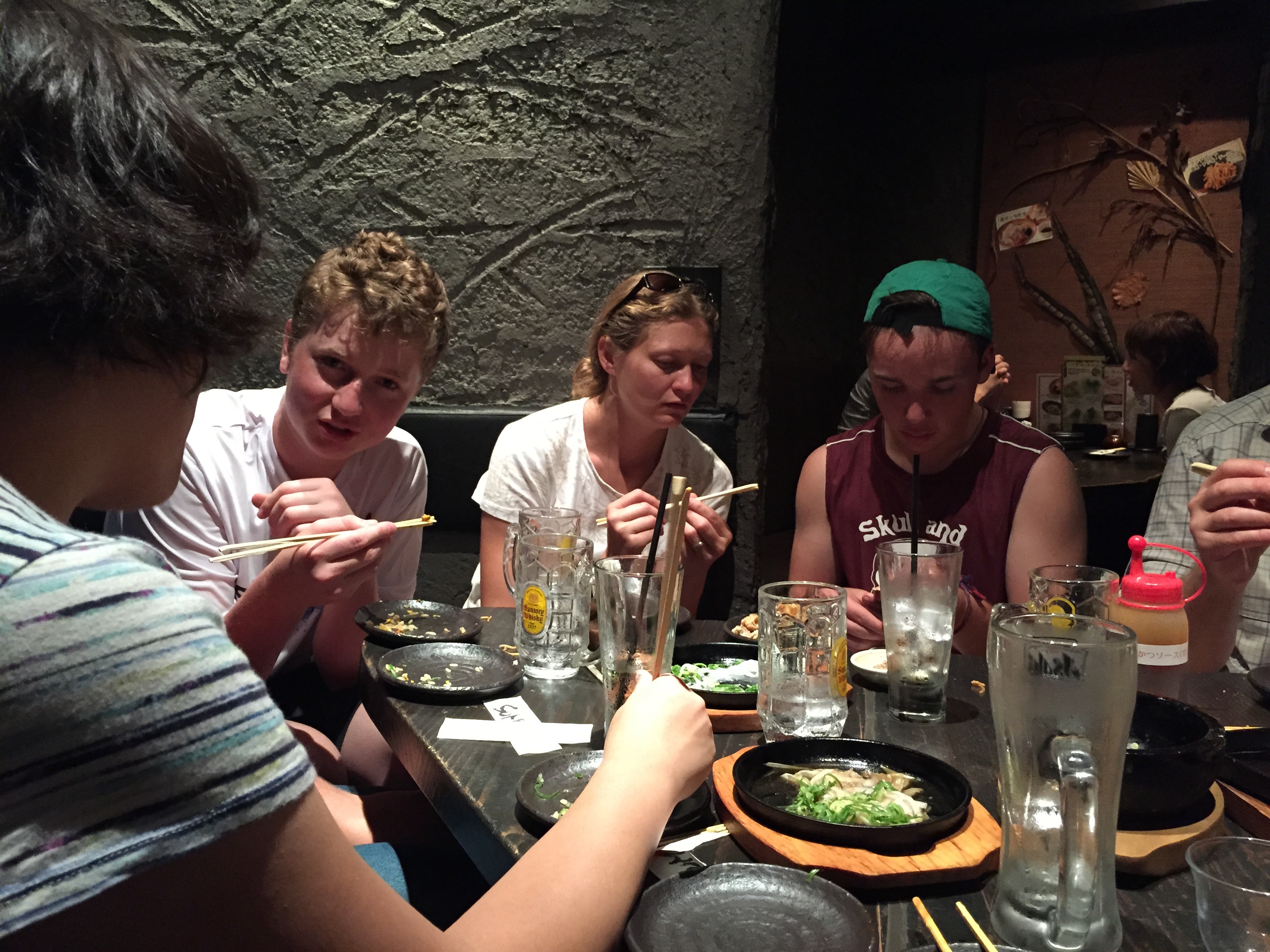
In the evening we settled into a place called Sumiko, a cave-like place (actually, it looked like a cave) in the basement of a building on the canal in Kyoto….the food was interesting and we had a meal shared with a variety of selections off a very eclectic menu….needless to say, we had some fun making fun of Austin…no, really.
Trying to figure out the menu in a cave is quite a challenge.Learning how to hold chopsticks…and learning about these new fangled electronic devices.
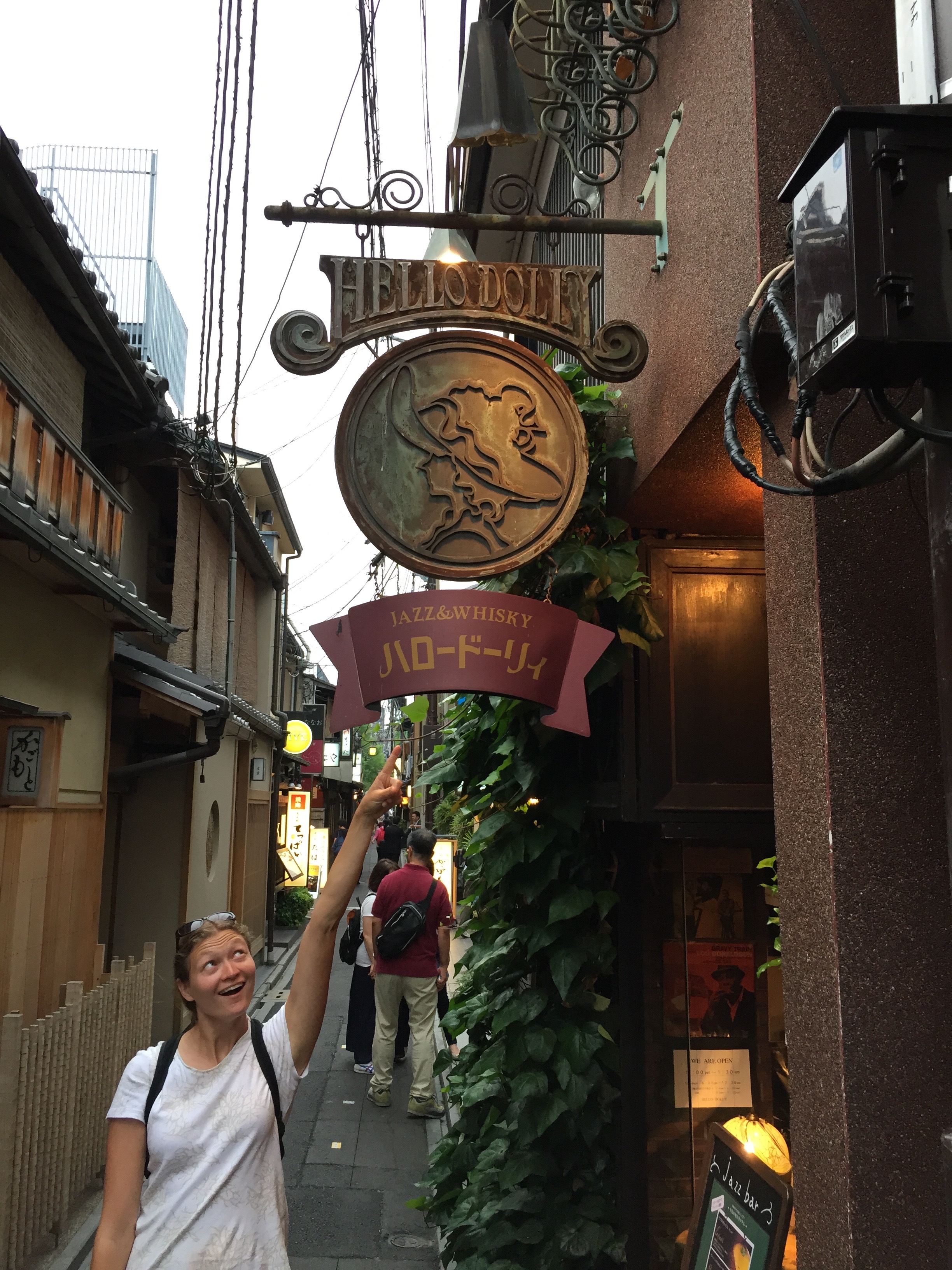
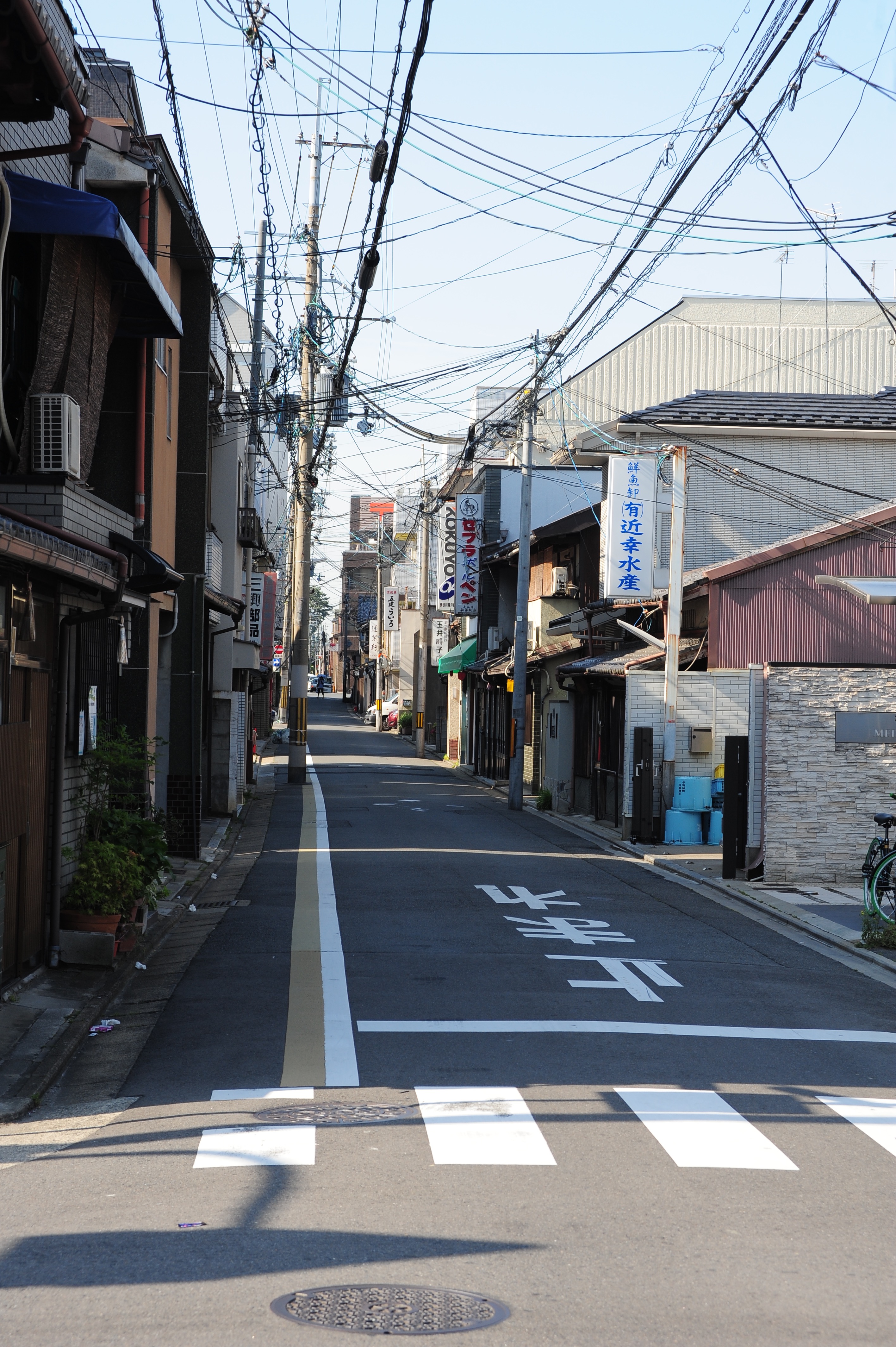
An alley near the canal in Kyoto
However, by far the coolest thing was on our walk home. We met a man who print traditional wood block prints using original cherry wood blocks of the Ukyio-e artists.
At the Ukiyo-e studio / museum.
We purchased a few of his creations and heard about his wonderful life as a wood block artist….seems like on almost every corner you can find something new in this city.
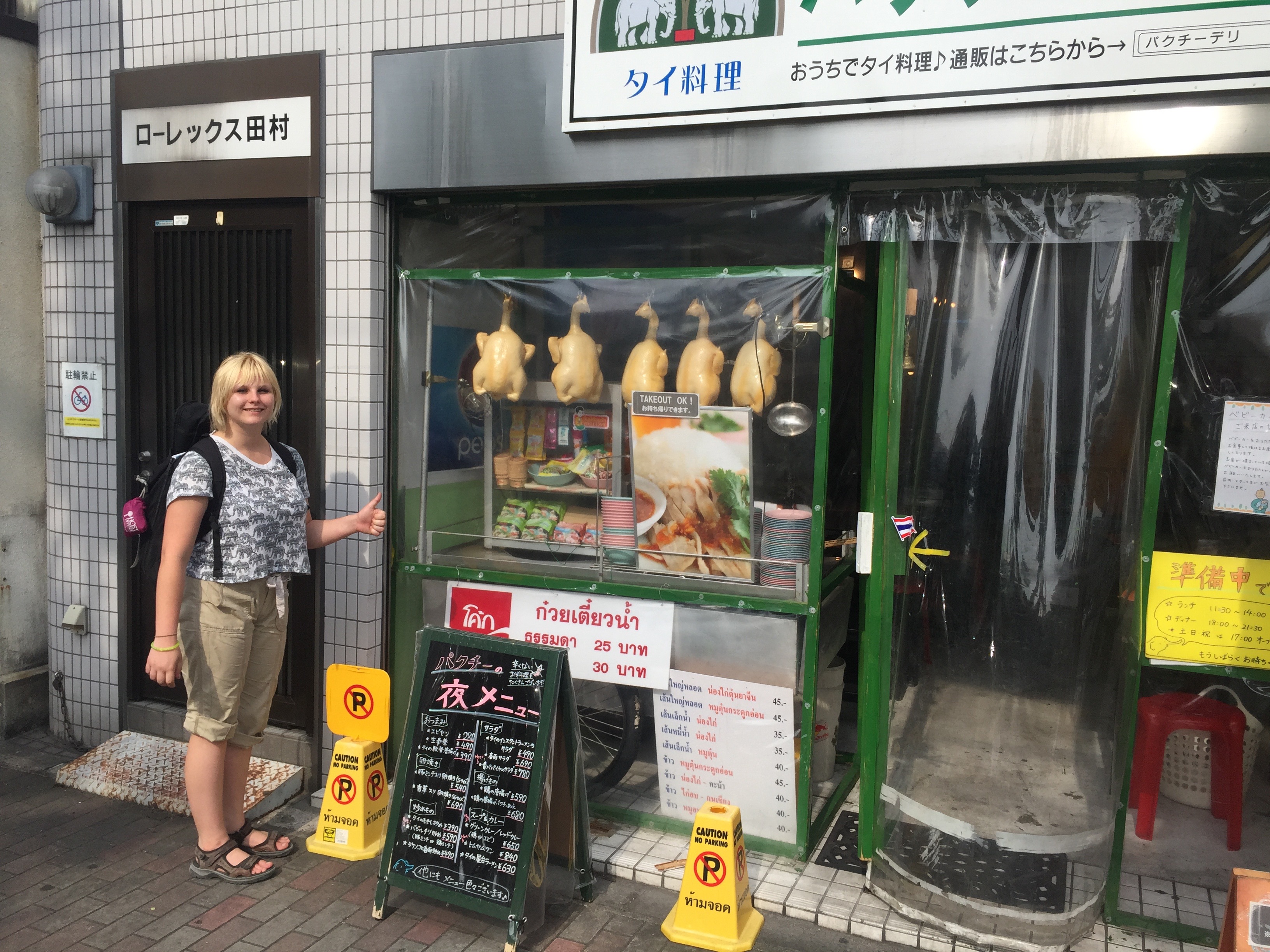
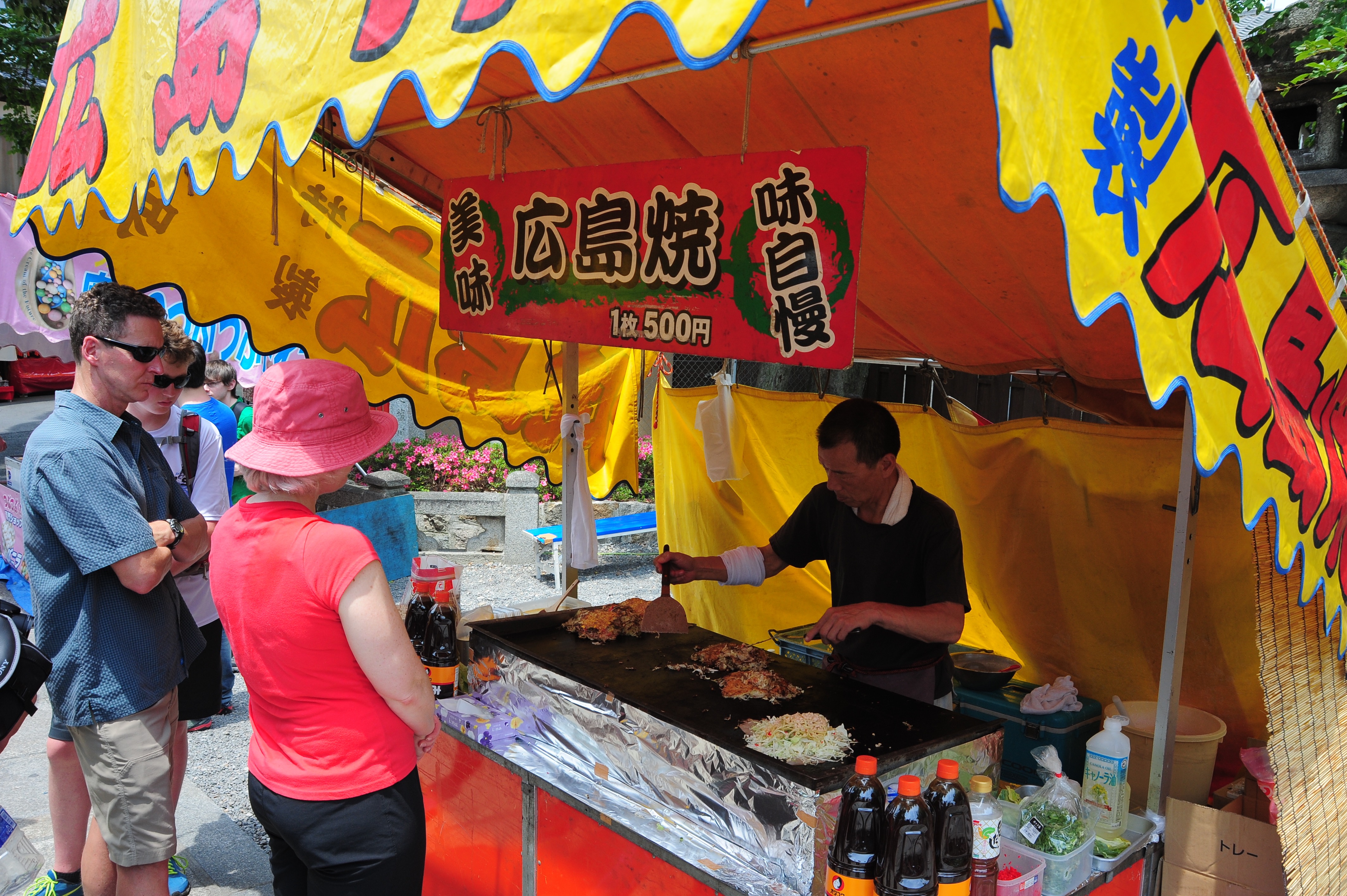
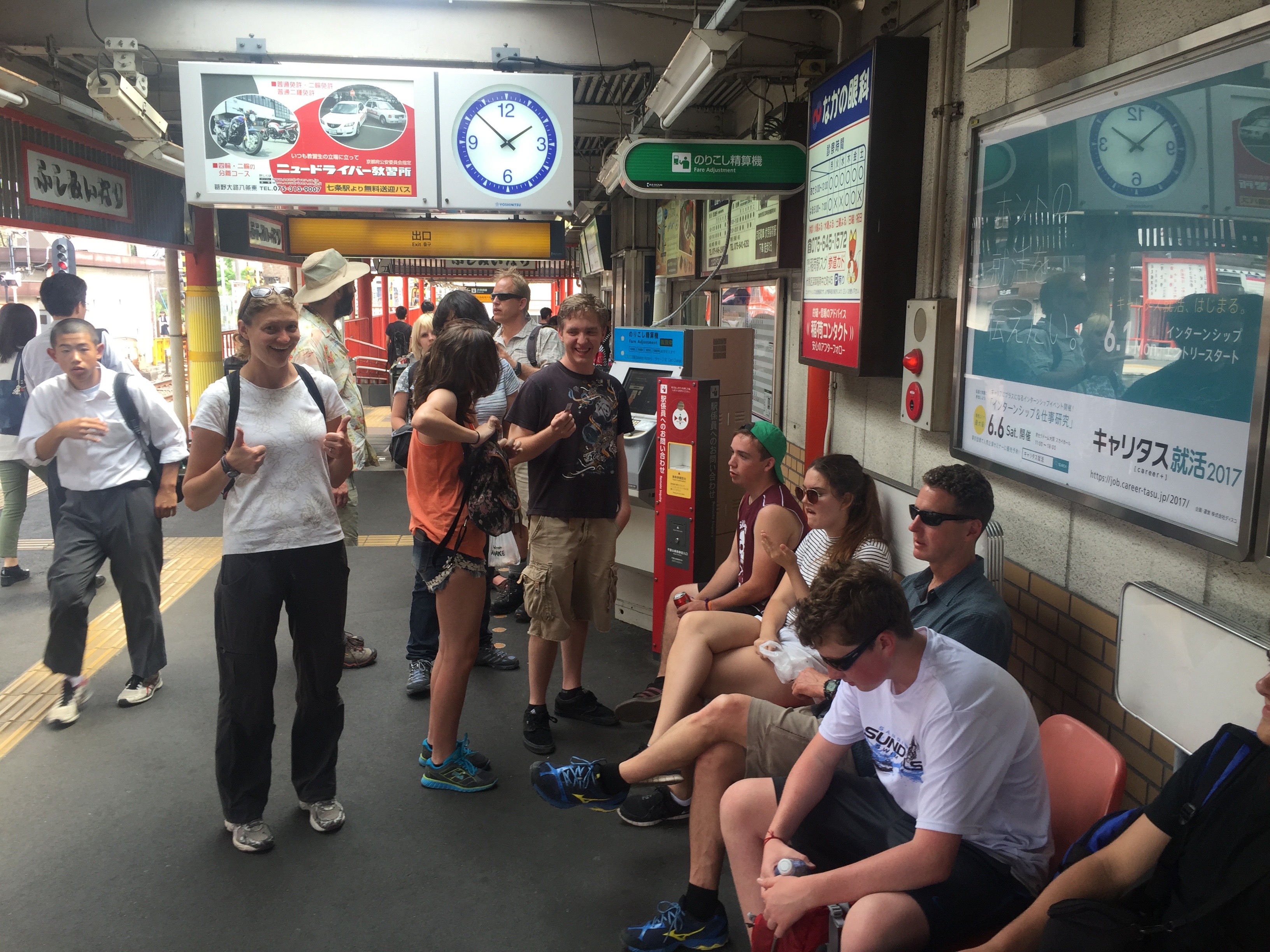
Yes, chickens hanging in a window.Kimono rental at Inari Shrine.Okonomiyaki!Waiting for the train, Fushimi Inari, Keihan line.
Tomorrow it’s Shinkansen, Narita airport and on to Bangkok!
Playing the fun game of “Where’s Evan”!Along the trail…Preparing the Feast.
Around our neighborhoodKiyumizu Temple ComplexMeeting for our tour.
The one really wonderful thing about this trip is the stay in the machiya. Machiya are the small, traditional houses in Japan. They include wooden floors, low ceilings, and tatami mats on the floors. The space is small, but the feel is remarkable. The smell of the wood, the close quarters make for a real sense of being together on the trip and sharing an experience of the people and culture of Japan. Now, I’m not saying that we’ve made any breakthroughs in human communication; I am saying that by living in a Japanese neighborhood and in the community we visit, we gain an understanding and appreciation of the lives of people living here.
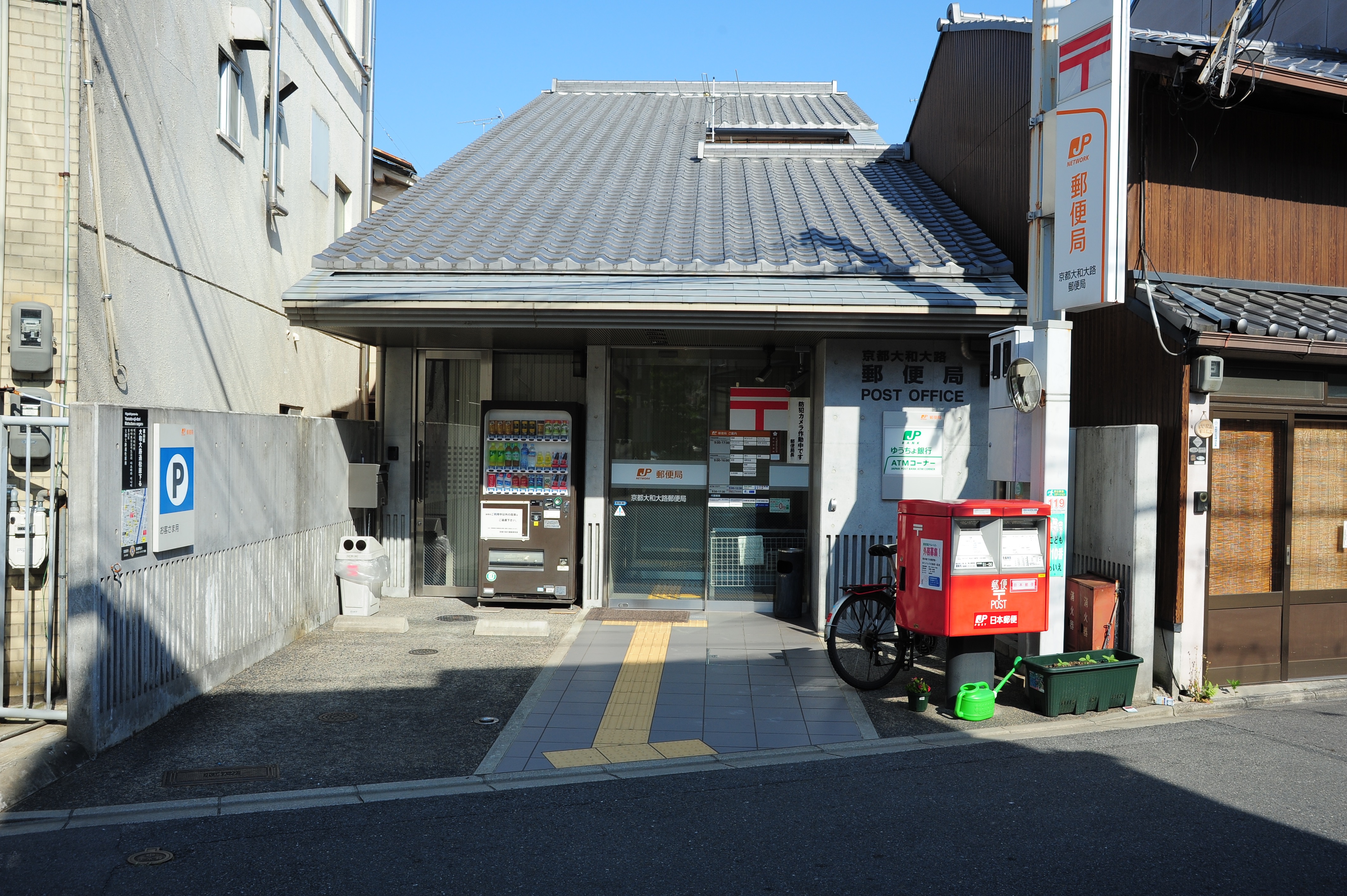
The local post office…just down the street.
So, we shop at the local market (Happy Roiichiji) each morning for our breakfast meal. We buy the fresh food that is available on that day and adjust when what we had the day before is no longer in stock.
We watch the elementary school children walk to school in small family groups each day. We have seen the same people on the streets each morning and afternoon. In one case, we met a woman coming home from work each day, and today she smiled back at us. These small experiences, I hope, will shape our student’s understanding of the world around them.
As far as our adventures around the city are concerned, I booked a walking tour and we walked for hours in 90 degree heat to little known spots in the city. While the sights were interesting and the tour took is to a variety of out of the way spots, our guide, while very kind, was not as knowledgeable as we would like.
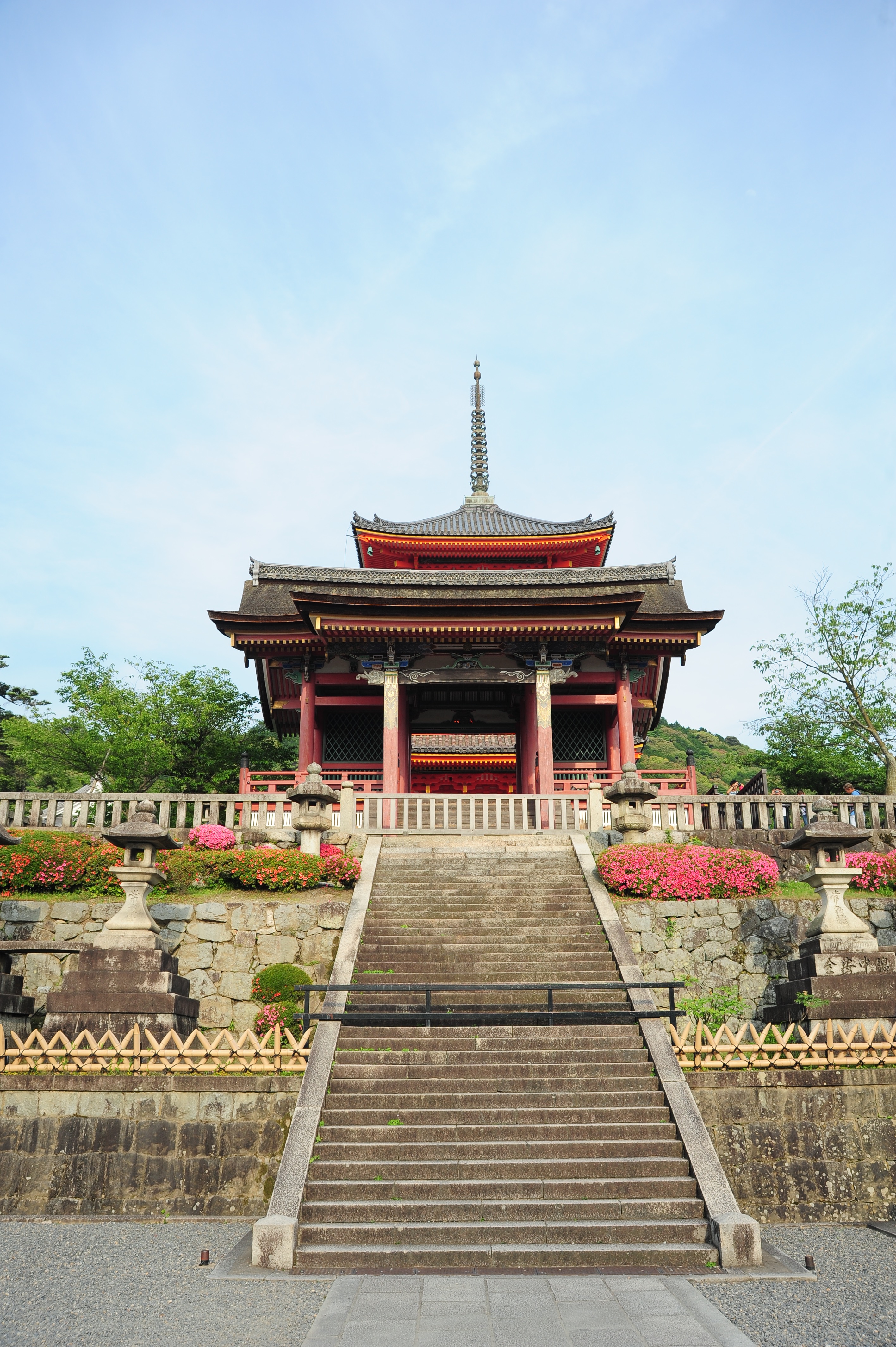
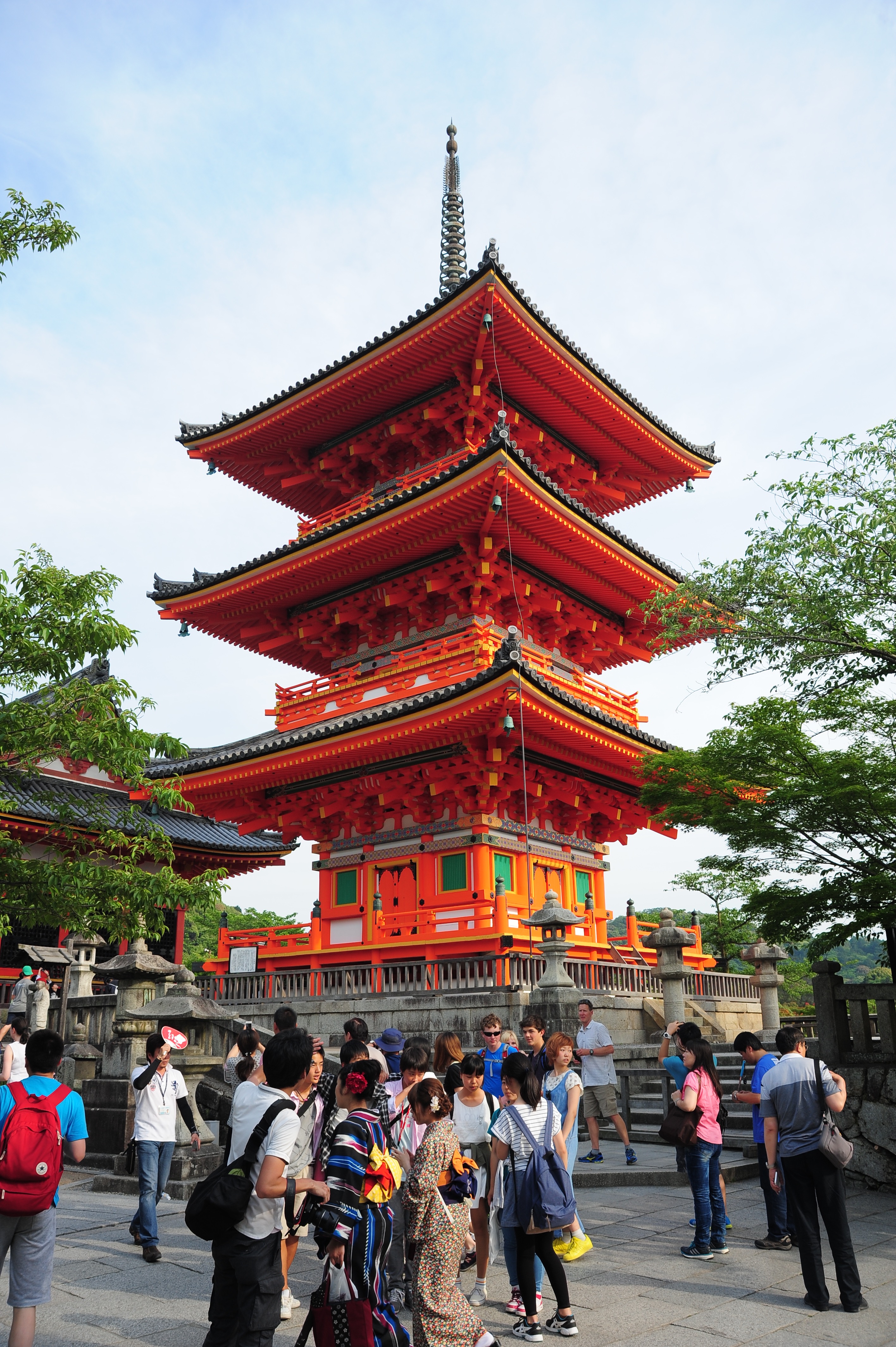
By the late afternoon, we were exhausted and , instead of giving in, pushed all the way to the steep climb up to Kiyomizu Temple. The walk from Gojodori up to the temple was long and filled with excited school children. Since we are fast approaching the end of their school year, many schools have field trips to Kyoto. Groups of elementary school students asked many of us questions to practice their English.
Layla surrounded by students.
Some folks, like Layla, were surrounded by groups of kids eager to test their language skills….check out the photos; they speak for themselves.
At Kiyomizu Temple
Finally, we headed back into town and went on a food run to find something yummy to eat; because the group is large for Japanese restaurants, we had to divide and conquer. One group joined me for Okonomiyaki….a specialty food from this part of Japan….these potato pancakes are tasty!
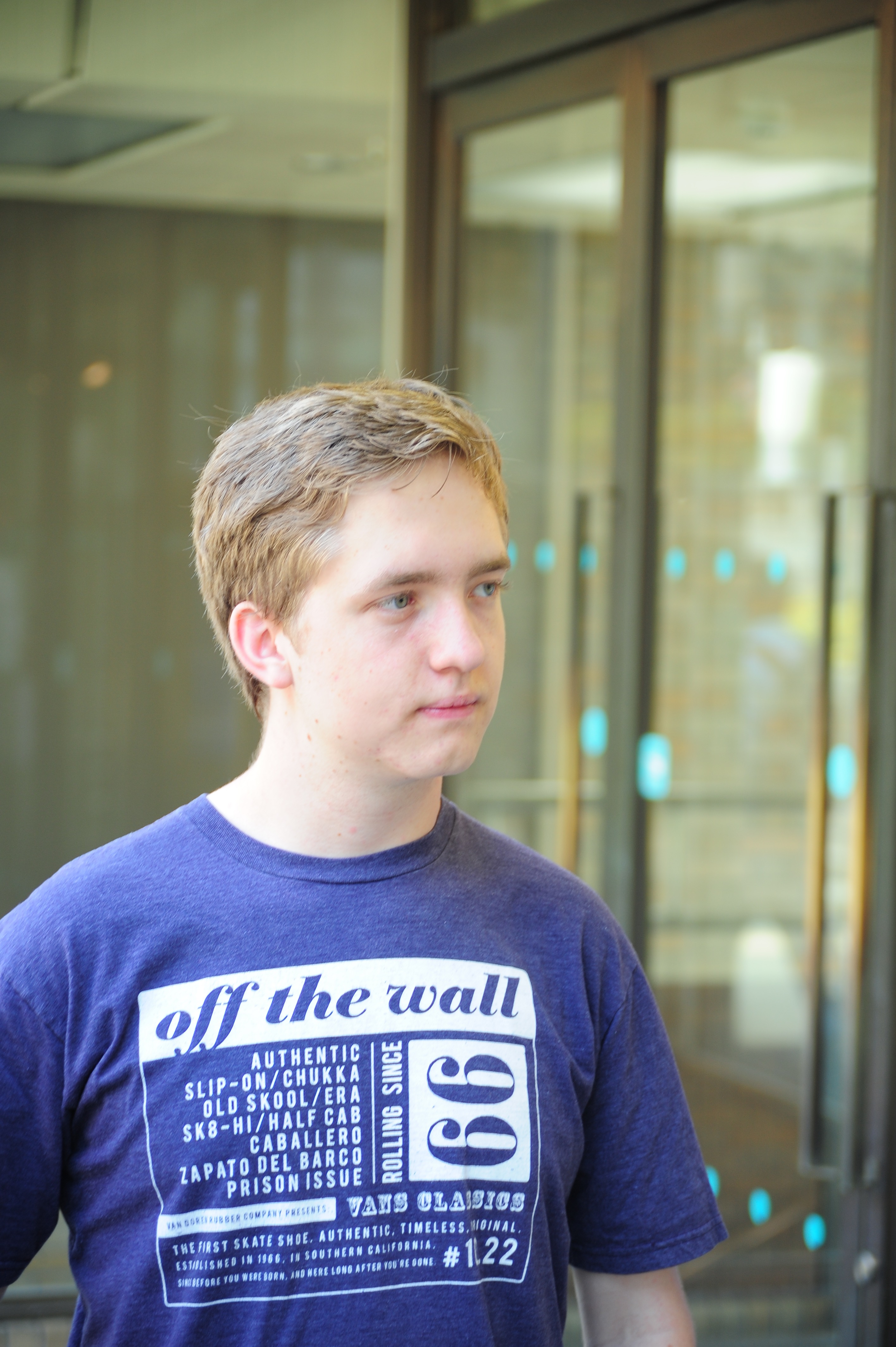
The typical bored American Teenager; “Why can’t I have a soda?”The Pagoda at Kiyumizu.
Tomorrow we head to Fushimi Inari and the Heian gardens along with an evening in Gion….more on all of THAT tomorrow.
Our stay at the Prince Shinagawa, North Tower was excellent and reasonable for Tokyo; I highly recommend this hotel not just because of location but also because of how clean the place is and the excellent service….combine THAT with a free breakfast that included just about everything you might want, and the hotel makes my list of best reasonable hotels in Tokyo (the Blue Wave Asakusa coming in a close second).
Sengaku-ji TempleThe Group!
We spent the AM eating a NICE breakfast at the Prince Hotel (FREE) and then moved onto the Sengaku-ji site down the street; the walk is only about 15 minutes and we had the chance to see the temple dedicated to the 47 Ronin….the temple grounds are small and include the temple itself, monuments to the Ronin and a series of gift shops close by….while the temple is underwhelming (as we read), the temple grounds are nice.
We used the JR Tokai Tours to purchase tickets to Kyoto; the office opens at 11:00 AM and the purchase includes free bus tickets in Kyoto! Nice plus; the process was painless if not long, and we were able to ride on the Nozomitrain for the trip (the fastest of the trains in Japan).
The Nozomi Shinkansen Platform, Kyoto
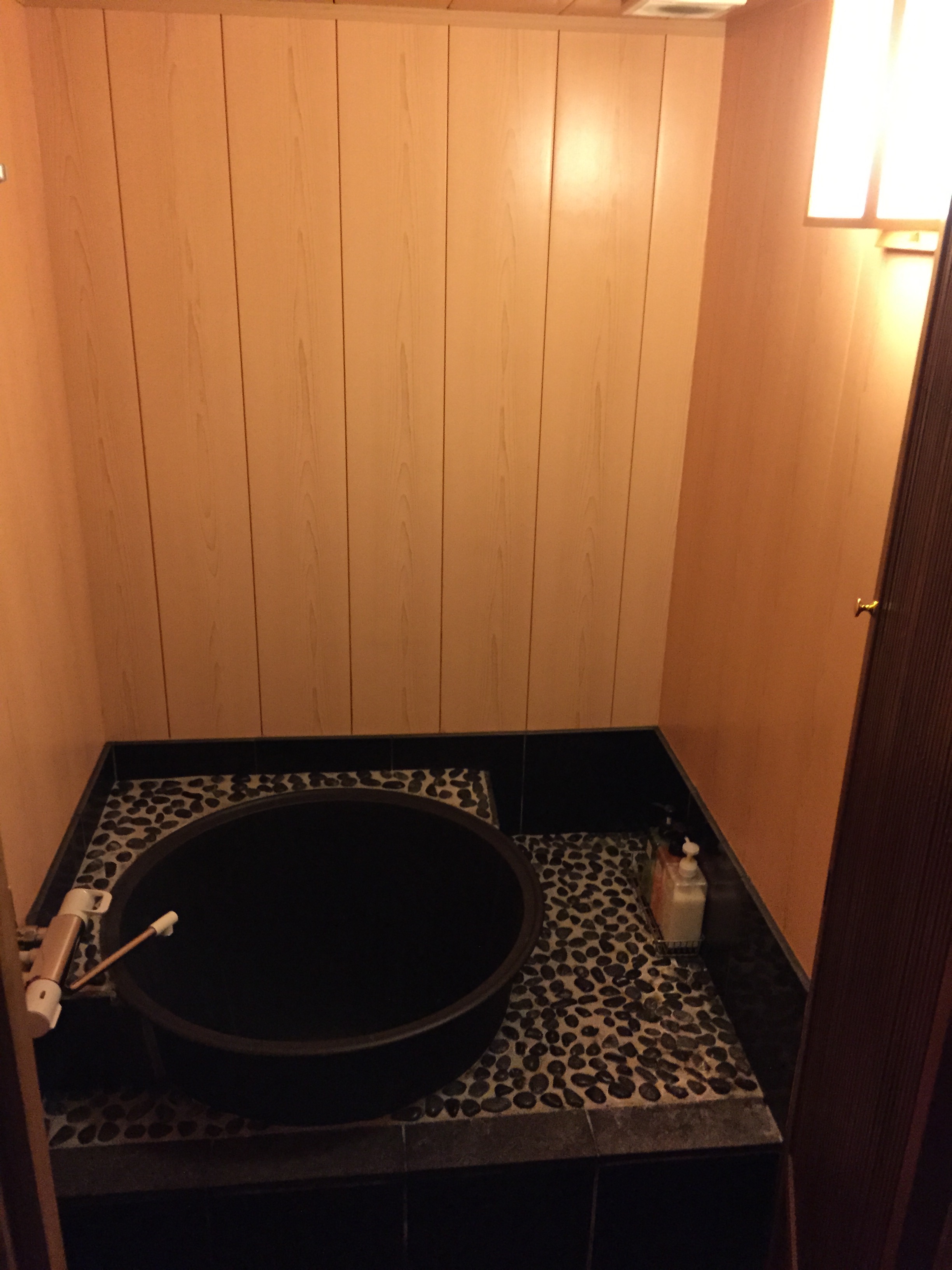
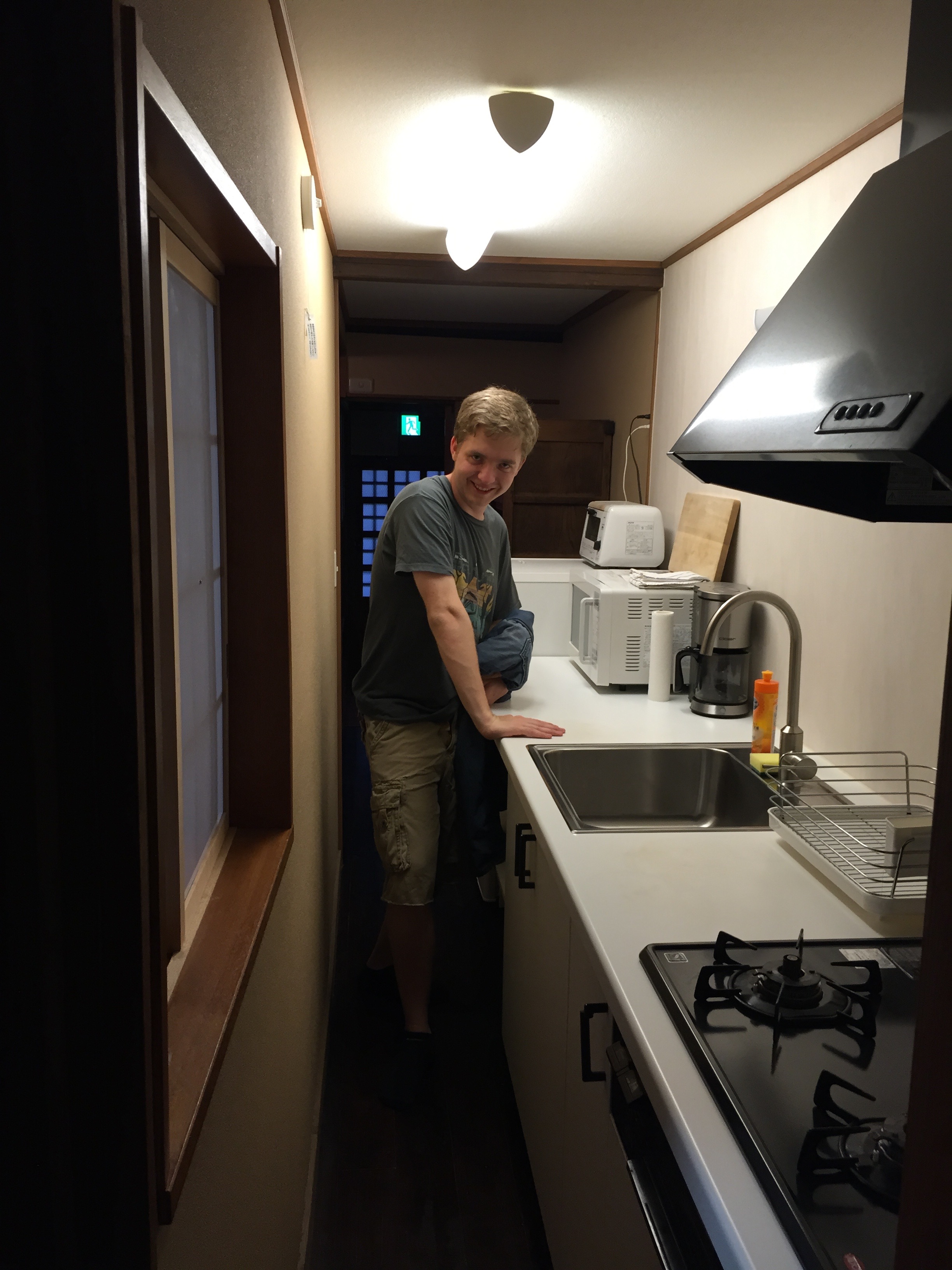
Once we made it to Kyoto, after a lunch excursion, we headed to the houses we rented for the experience…..I cannot express strongly enough how WONDERFUL these houses are….they are small, but really unique. We sleep on tatami mats and futons with one bathroom with a tub (it’s actually a tub, as you can see!) Ask me AFTER we leave Japan if having one bathroom with all of these folks make sense. The kitchen, as you can see, reflects the space restrictions in Japanese homes…it is beautiful….we LOVE the place…
Our corner of Kyoto!The TUB…Hmmm.Truly, a galley kitchen.
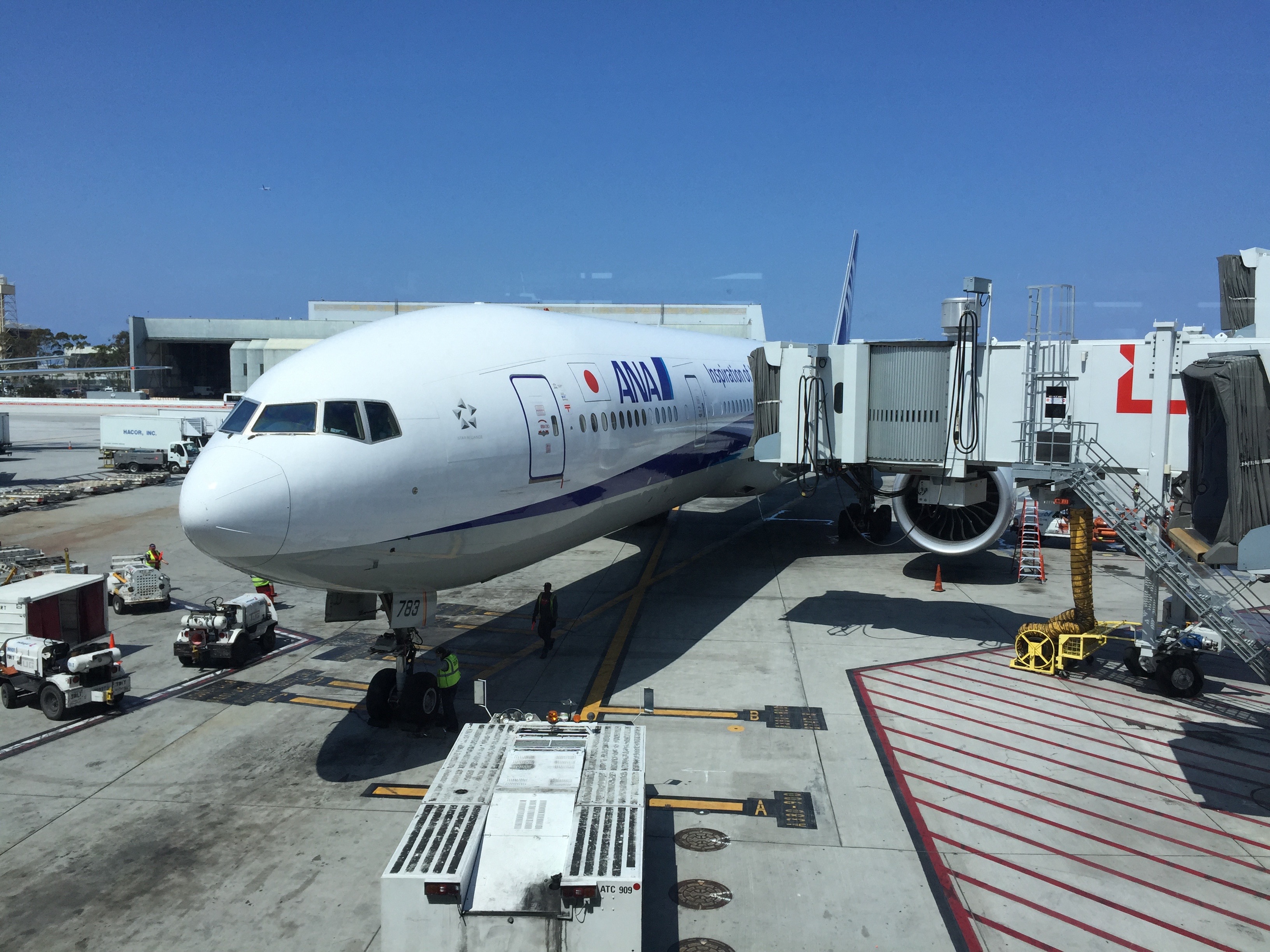
Our 11 1/2 hour flight from LAX was, in fact, quite lovely. If you haven’t flown ANA (All Nippon Airline) you should. The service is exceptional, the folks are kind and access to music and movies made the time go by quickly. (Or as quickly as it can when traveling for many hours)
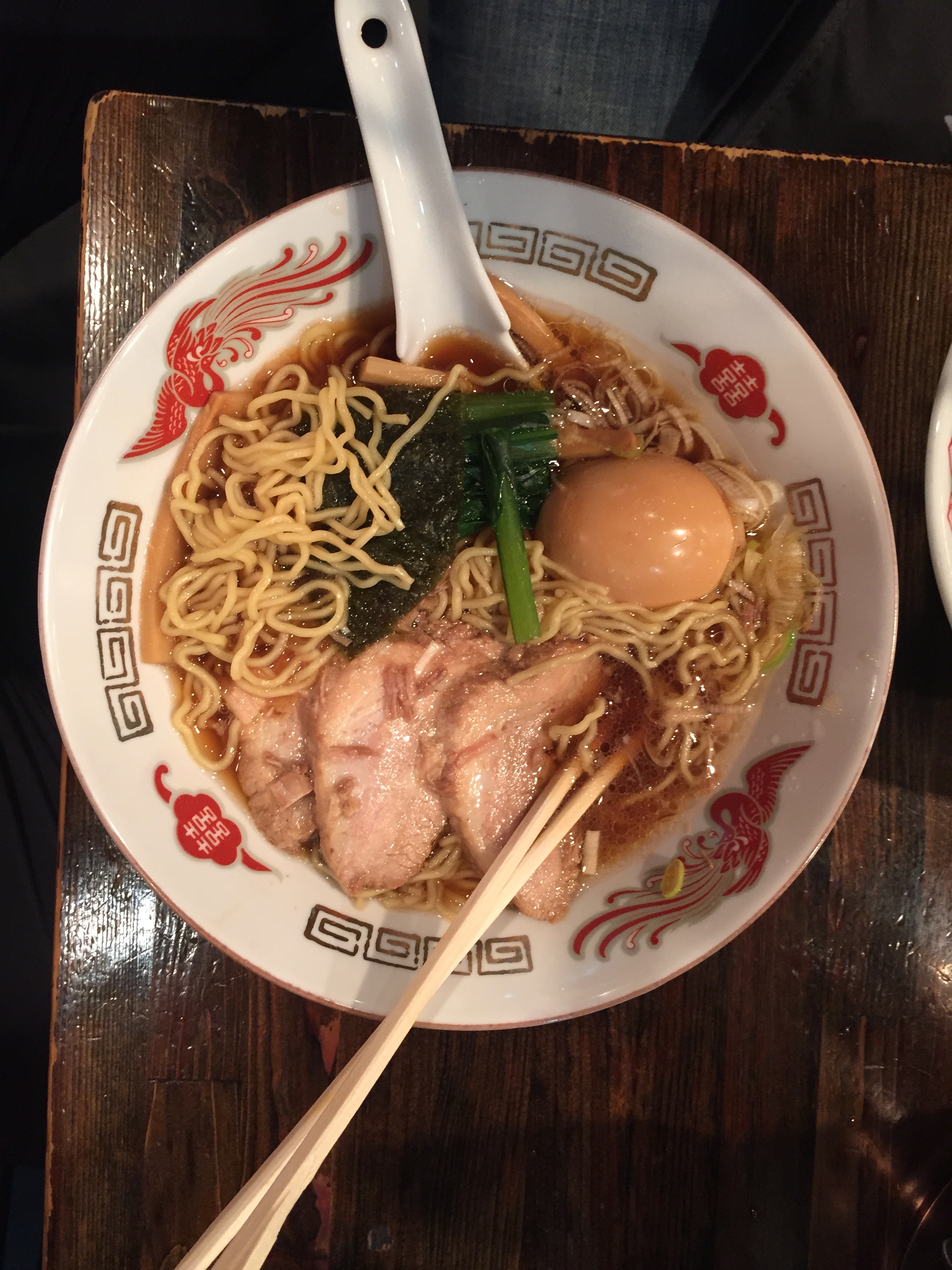
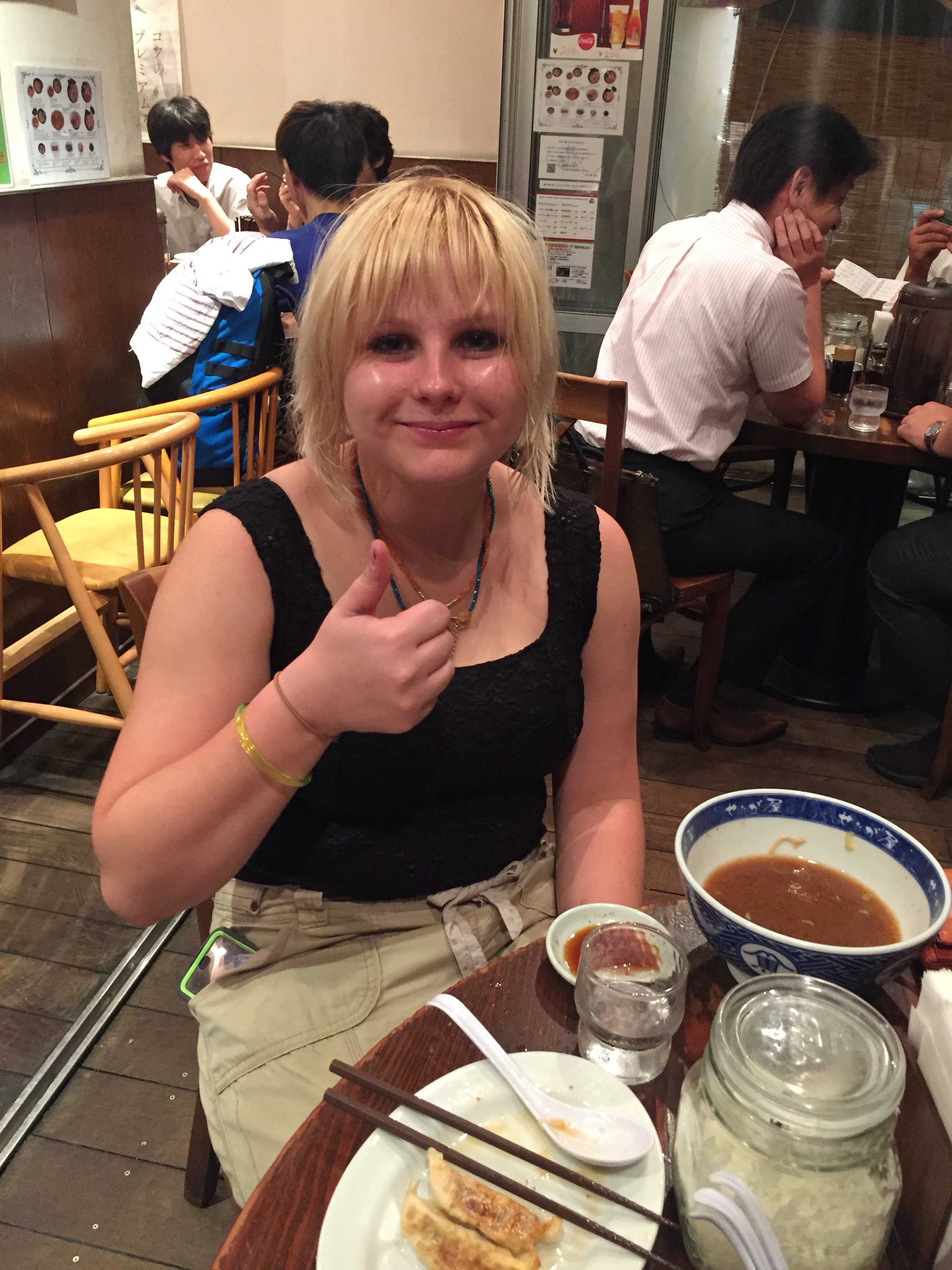
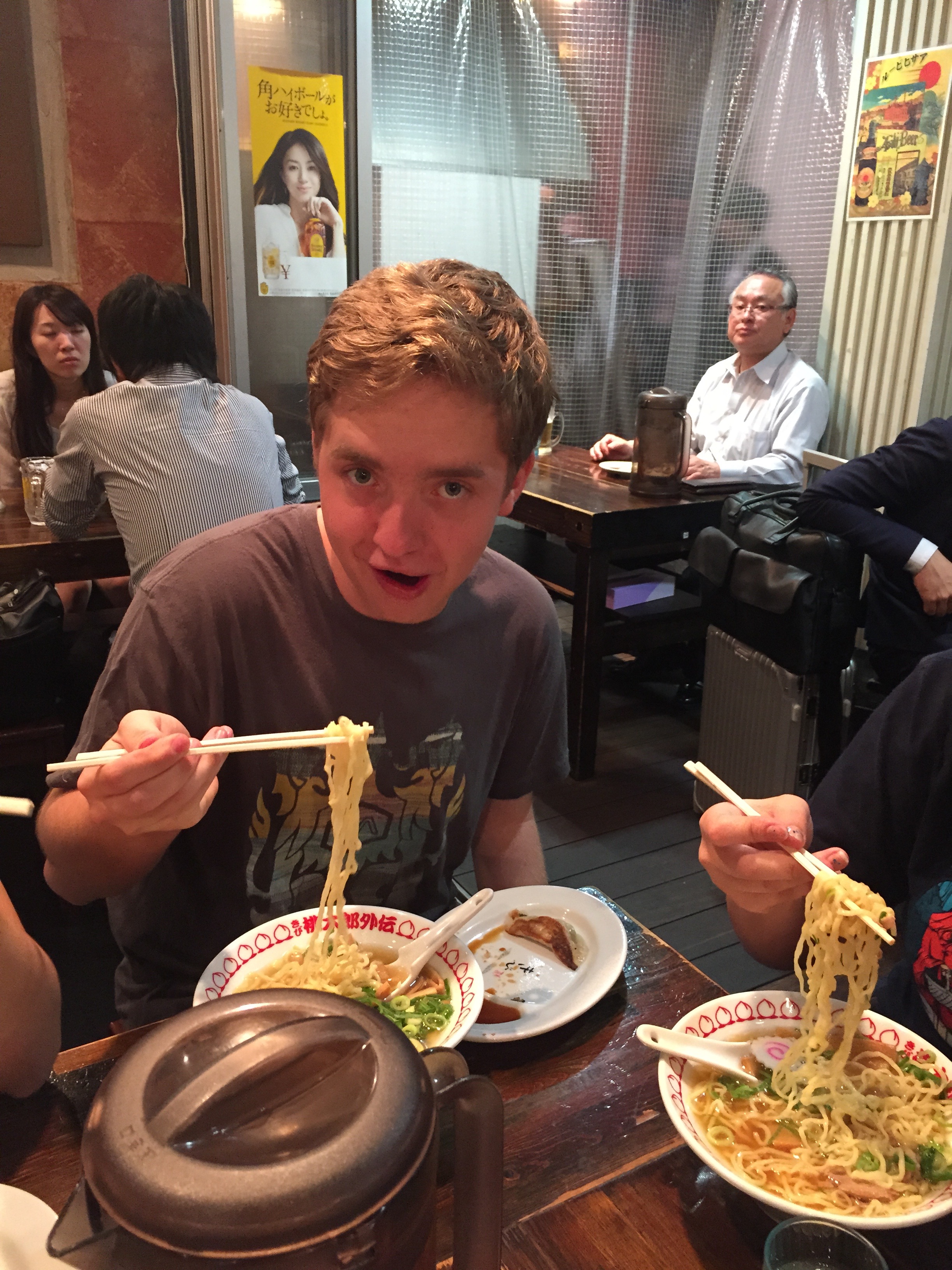
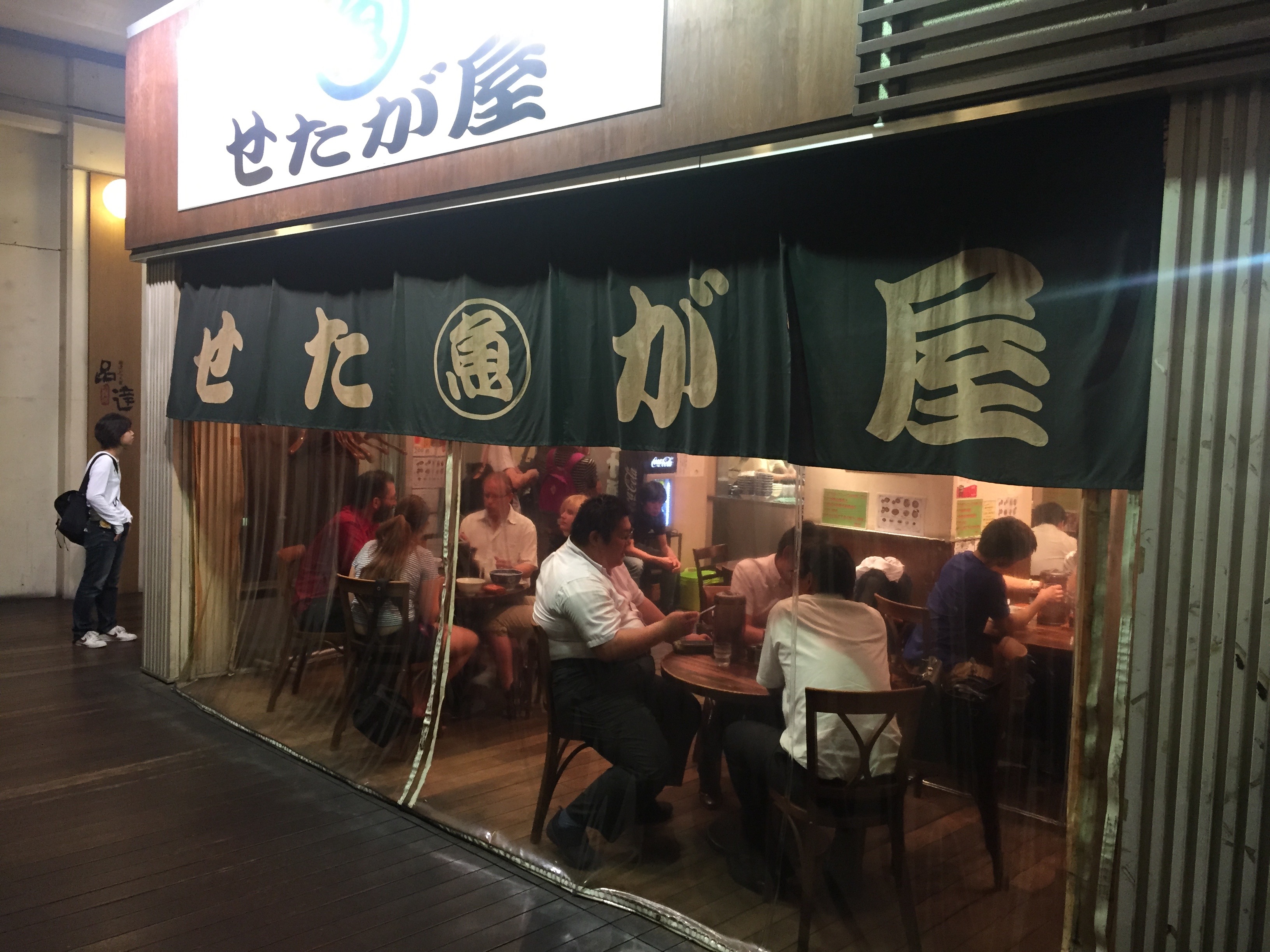
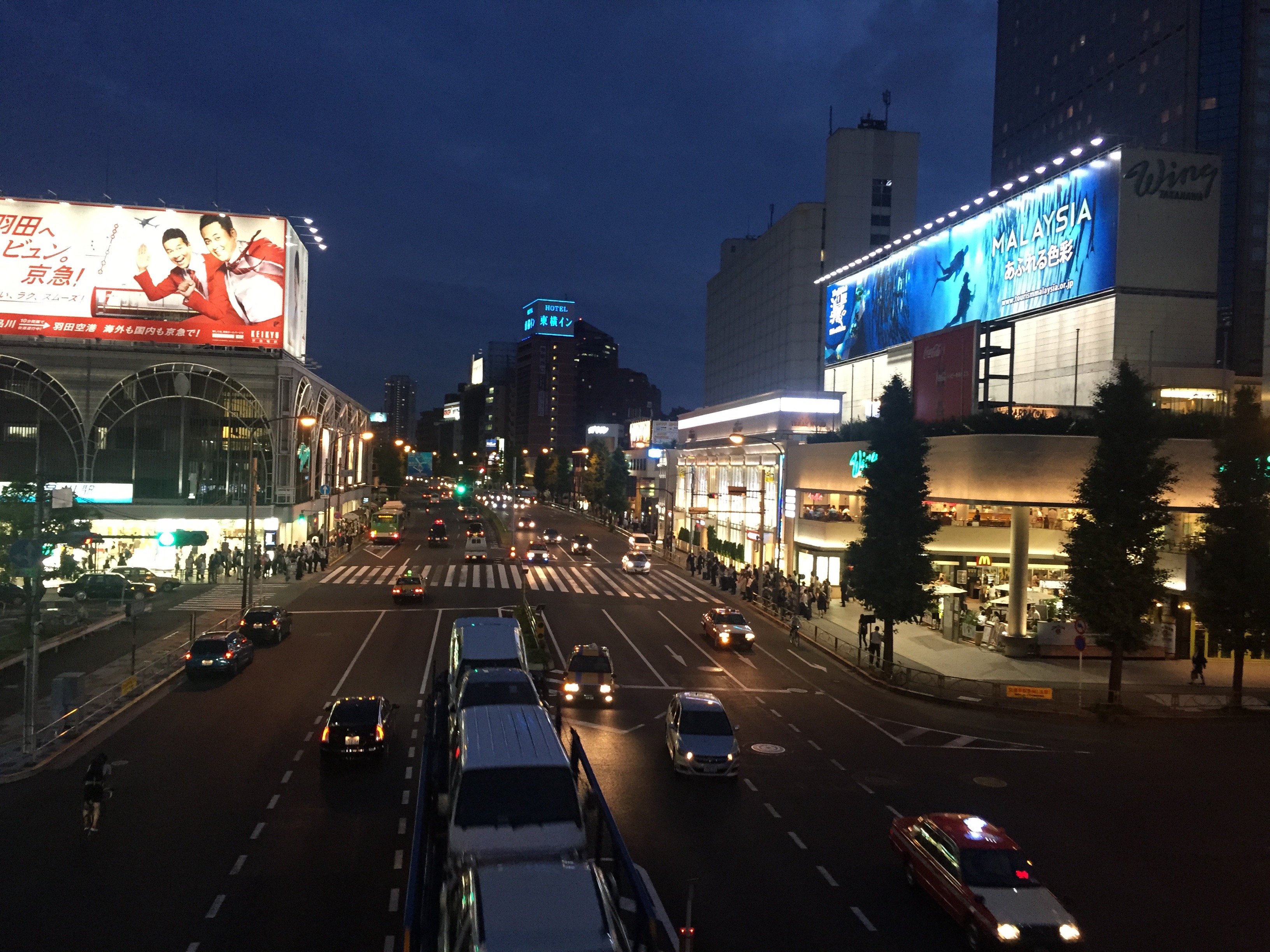
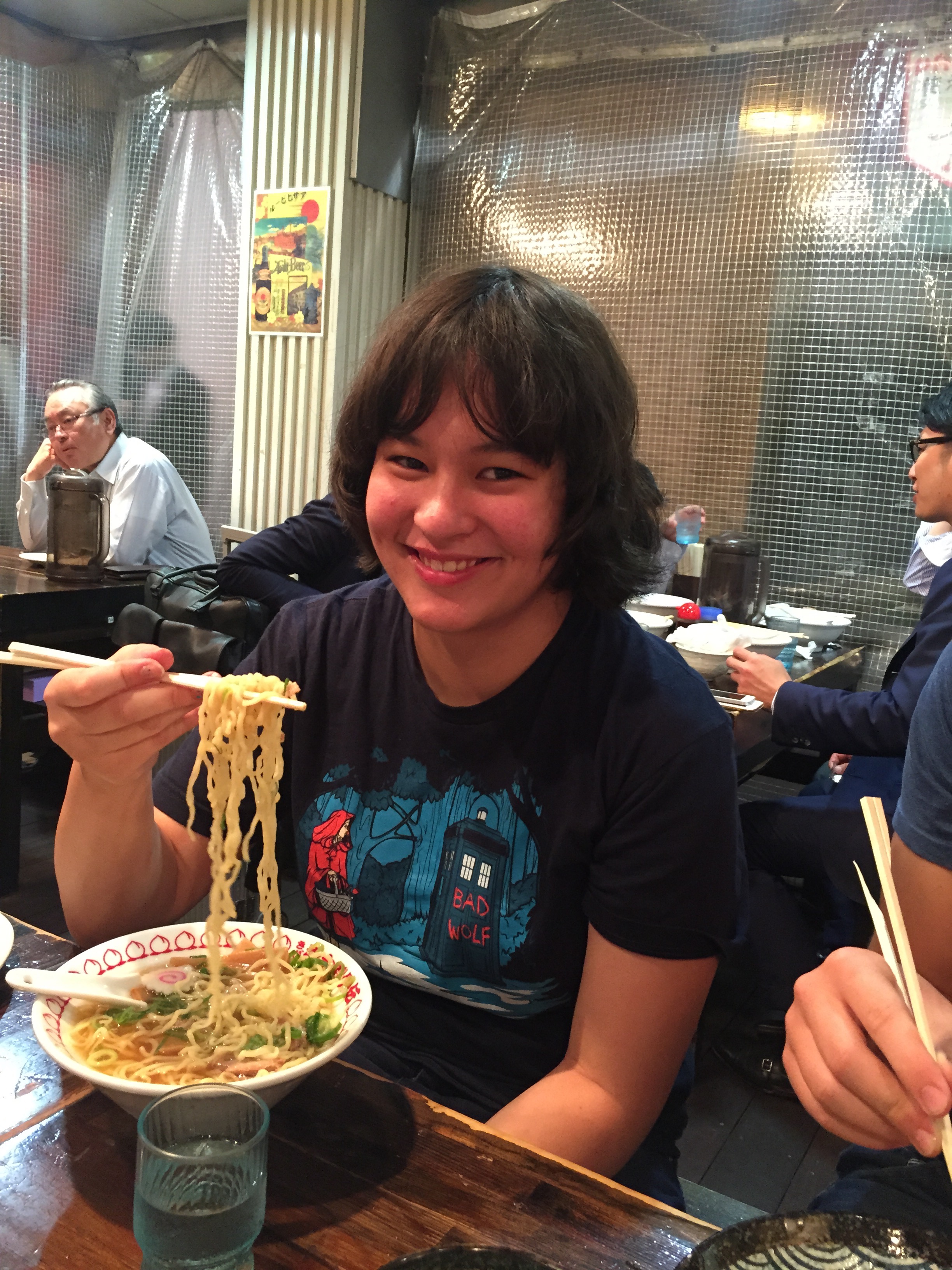
Once on the ground we grabbed NEX tickets into Tokyo and headed to our spot in Shinagawa….while I’m a big fan of Asakusa and that part of town, Shinagawa has, within a block of the hotel, some excellent ramen places including Tetsu….the line was out the door so we headed over to Sinasoba for bowls of ramen.
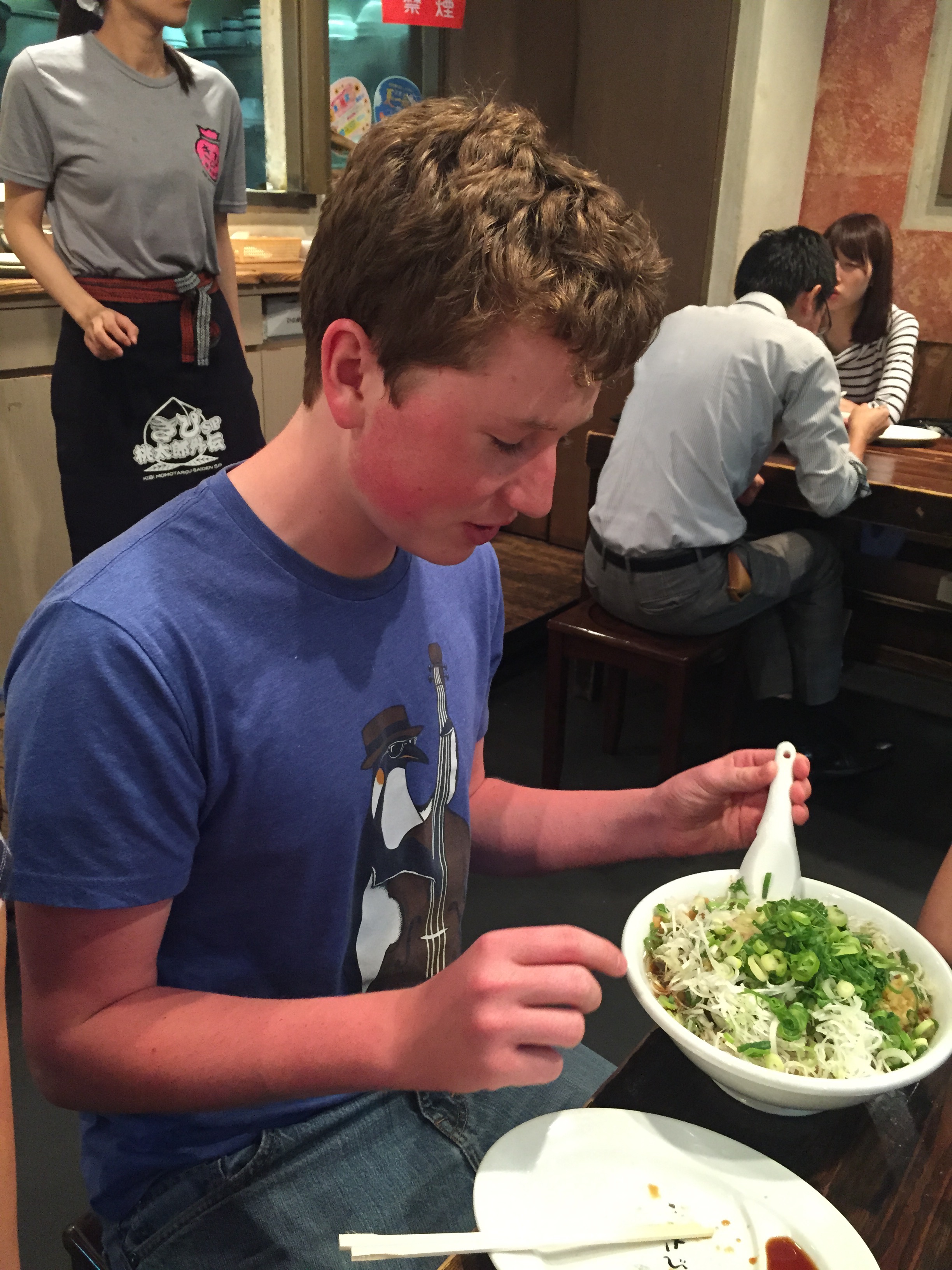
Our experience was hilarious in that you order your ramen by vending machine….you look at a picture, and then press buttons below…the situation was hilarious in that no one was quite sure WHAT they were going to get…yes, Axel got the strangest concoction (according to him).
Anyway, we made it safe, tired, and ready for more adventure….from Tokyo, konbanwa!
Our trip begins, oddly enough, in the morning. I say oddly because I was mostly asleep so it was an odd morning….to all of those humans that stayed up very late (or early as the case may be) I feel you!
The morning excitement of security, baggage claim, security, and more security brings us to our flight to Asia! The view from our waiting area is wonderful….
The Plane Arrives!
Of course, some of our travelers are more or less excited to get on the plane…
Traveling outside of the United States, or really any home country, involves putting yourself into an uncomfortable situation. The language sounds unfamiliar, the people don’t share the same habits, the organization of the place is outside of our routine expectations…all of these “differences” stand out to us in glaring detail.
Yet, the reality is, so many similarities exist between human beings. Communication is not as difficult as you think. It is remarkable how much a show of kindness and genuine interest in the lives of individuals allows for mutual respect and connection.
What you realize is that all travel, even within our home countries, challenges our expectations. My advice, then, is to be open to the experience and be open to the challenge of learning about a people and a place. Being open, in this context, means listening carefully; watching hand gestures and other physical cues. When things don’t go the way you expect, allow for the unexpected by not getting angry or resentful.
Most importantly, avoid demanding anything. The stereotypical example of the “rude tourist” is sometimes well deserved (see: Why Americans Get a Bad Rap). The way not to be a rude tourist is to accept what happens. If something does not meet expectations, then kindly ask for what you need. If you don’t get it, then simply move on….always remember the point of the trip and the travel: enjoy the experience or, as Rumi stated, “There is a community of the spirit/Join it, and feel the delight/of walking in the noisy street, and being the noise.”(Coleman Barks, The Essential Rumi).
 I will write more on the events leading up to the school visit, but let me just say that our visit was magical. We connected with students in a way that just had not happened before this visit. Maybe some of the students remembered our last visit, maybe we were more open to the interaction. For whatever reason, we spent the afternoon connecting with the kids.