



Reflections, Observations, Meanderings in Asia
Sitting in the dining area this morning, I wondered at the trip and the travel we have done. We have covered miles and miles of ground in the past eight days and this day promised to be the longest so far.
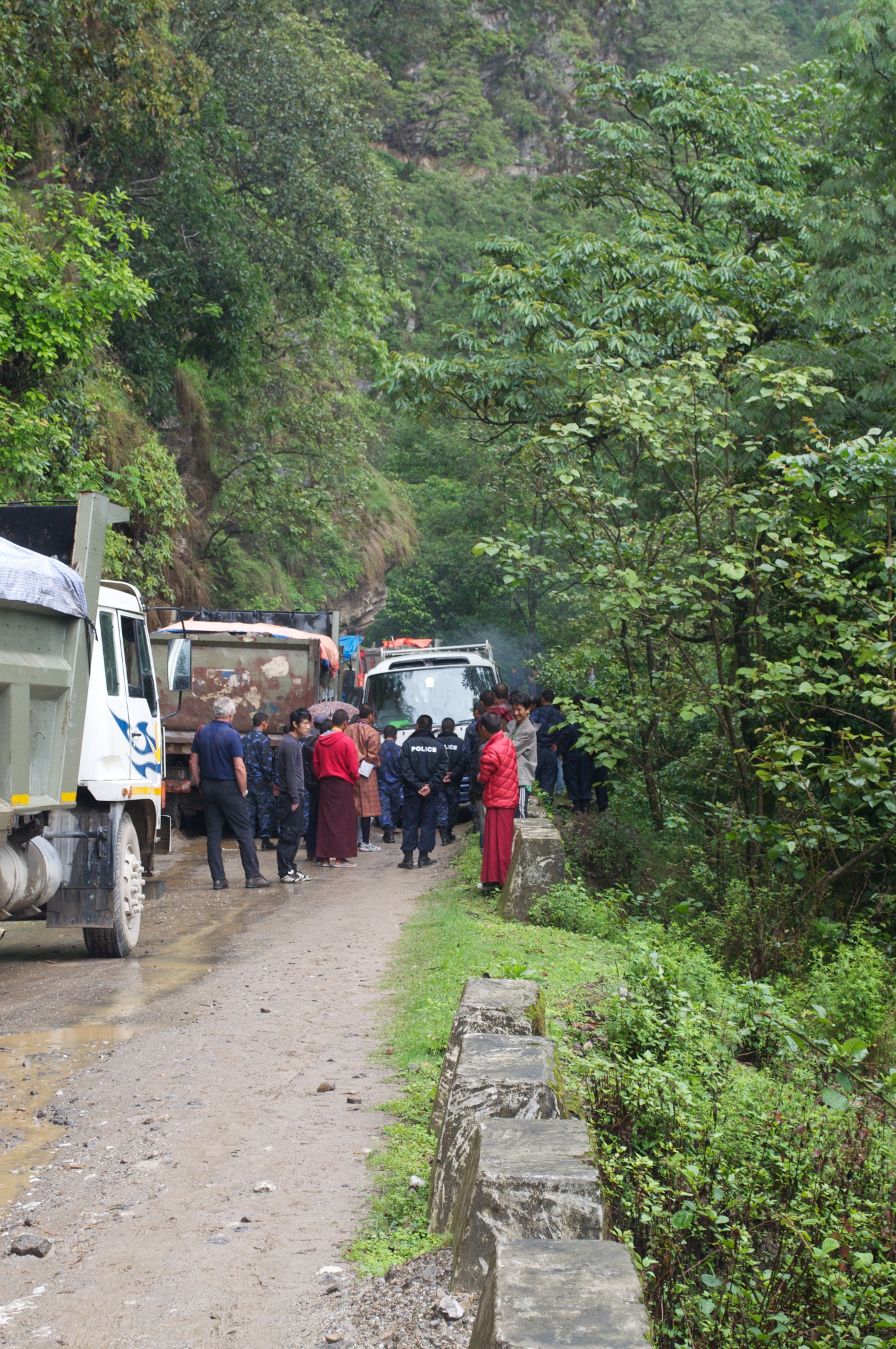
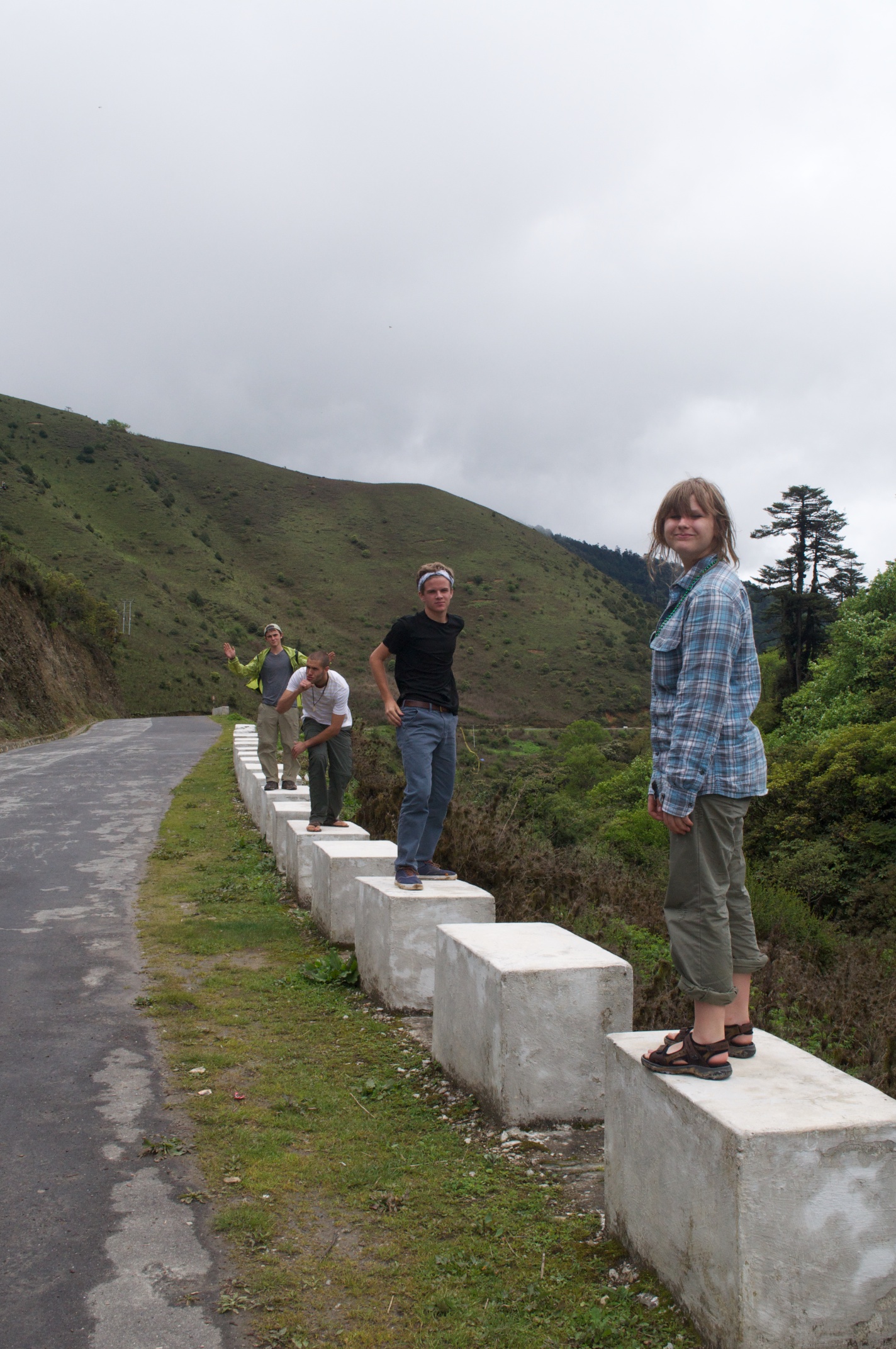
The thing to know about Bhutan is that the roads are one lane tracks that hug the mountains. I imagined looking at a topo map of Bhutan, the road carved into the side of mountains, contouring around each hill and valley. The road winds back and forth across the country. And this road is, in fact, the only West-East road in Bhutan, meaning that all traffic crossing the country must, by necessity, use this trunk road for all travel.
The amazing thing is, it all seems to work fairly well. We passed TATA trucks, dump trucks, machinery of all sorts, small cars, big cars, SUVs, tiny vehicles….bikes, motorcycles and folks walking along the road. All headed in one direction or another traveling on this remarkable road.
At the same time, when you see a sign that says “65 kilometers” what it should say is “about three hours if you are lucky!” The thing is, travel in Bhutan is necessarily slow. For those of us who are
anxious or ADD, this scenario might seem like a nightmare. For those of us more patient, the travel becomes an experience in seeing a lot of scenery, flora, and fauna in this Asian nation.
To summarize this day for you: we left Chamkar at 8:15 AM and arrived in Wangdue at about 6:45 PM (with numerous stops). We saw landslides, stopped vehicles, temples, and ate lunch in one of the most serene places in the country.
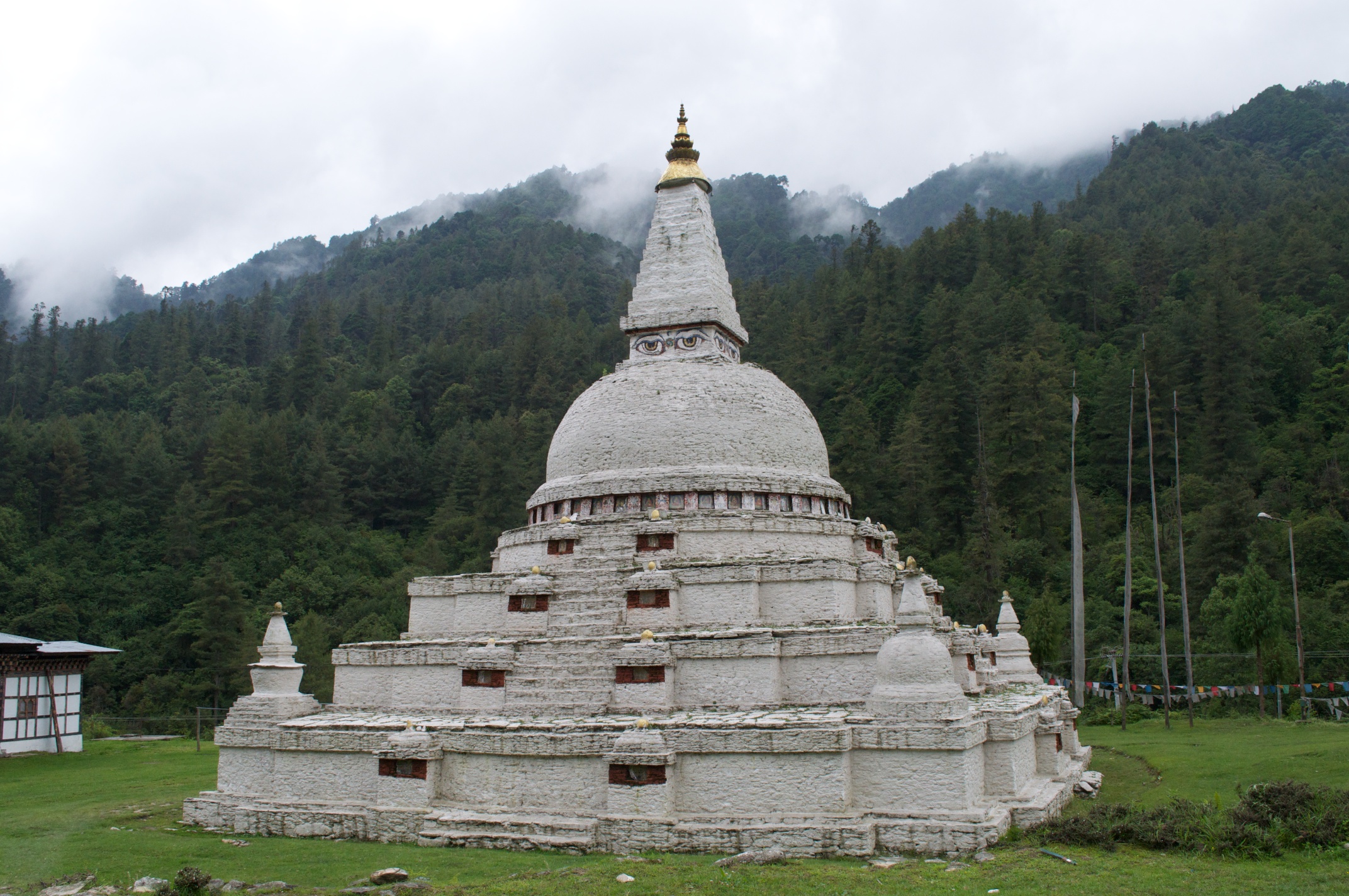
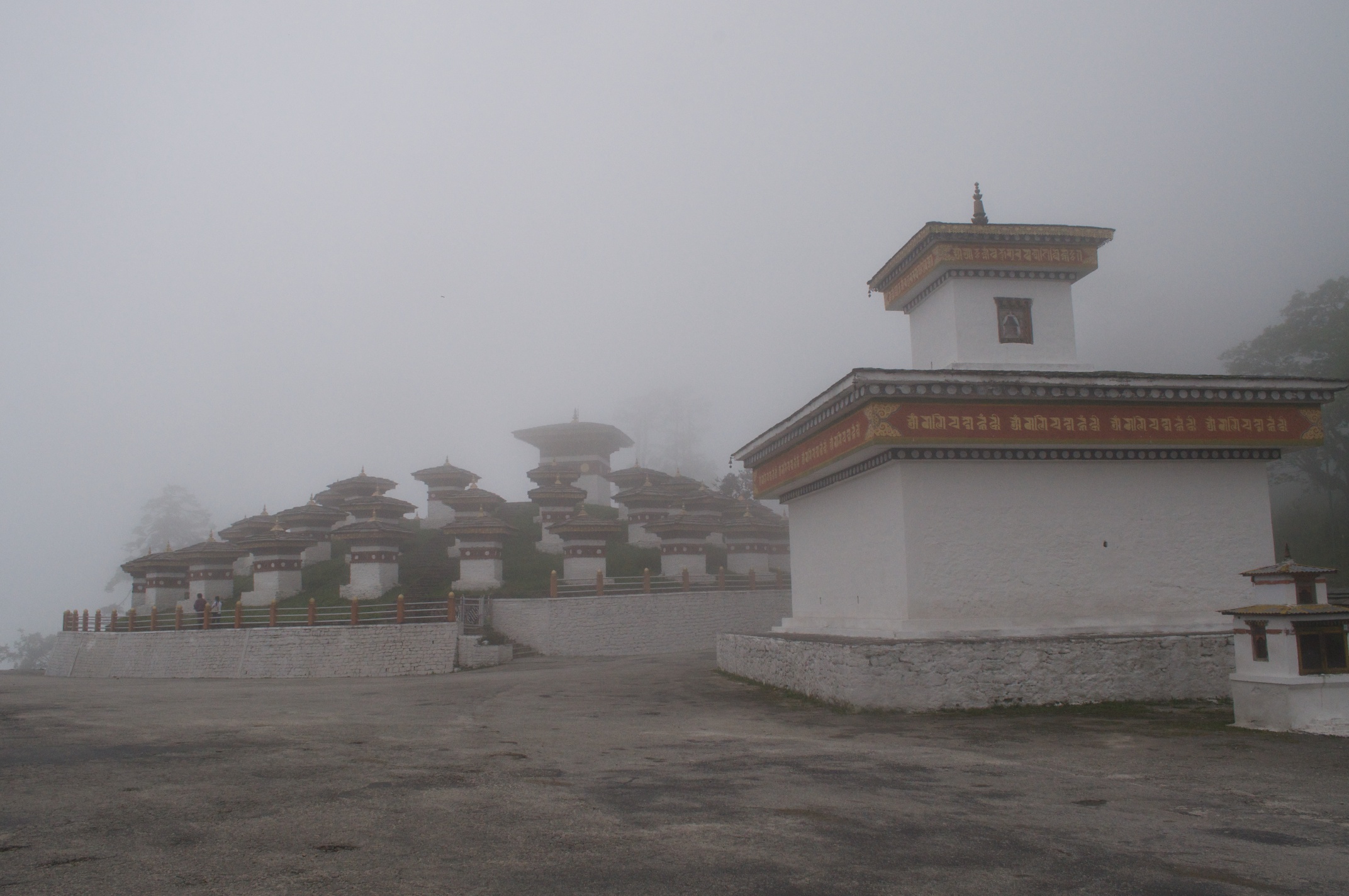
In fact, along this road are some of the most remarkable sights you can see in Asia. One of them, Chendebji Chorten is a stupa copied from the style of the great stupa in Kathmandu, Bodhanath. The stupa is white, rounded, and, at the top, the eyes of the Buddha face each direction. We stopped for lunch at this site as rain began to sprinkle on us in the dim daylight of the afternoon. The hotel we stayed at in Chamkar town prepared a boxed lunch that included eggs, sandwiches, cut vegetables, and a small cake. Our moments here we quite wonderful and the stream nearby offered a beautiful melody that passed through the trees surrounding the road.
All in all, we traveled a long way (in terms of time spent in a vehicle) and saw a lot of the country of Bhutan.


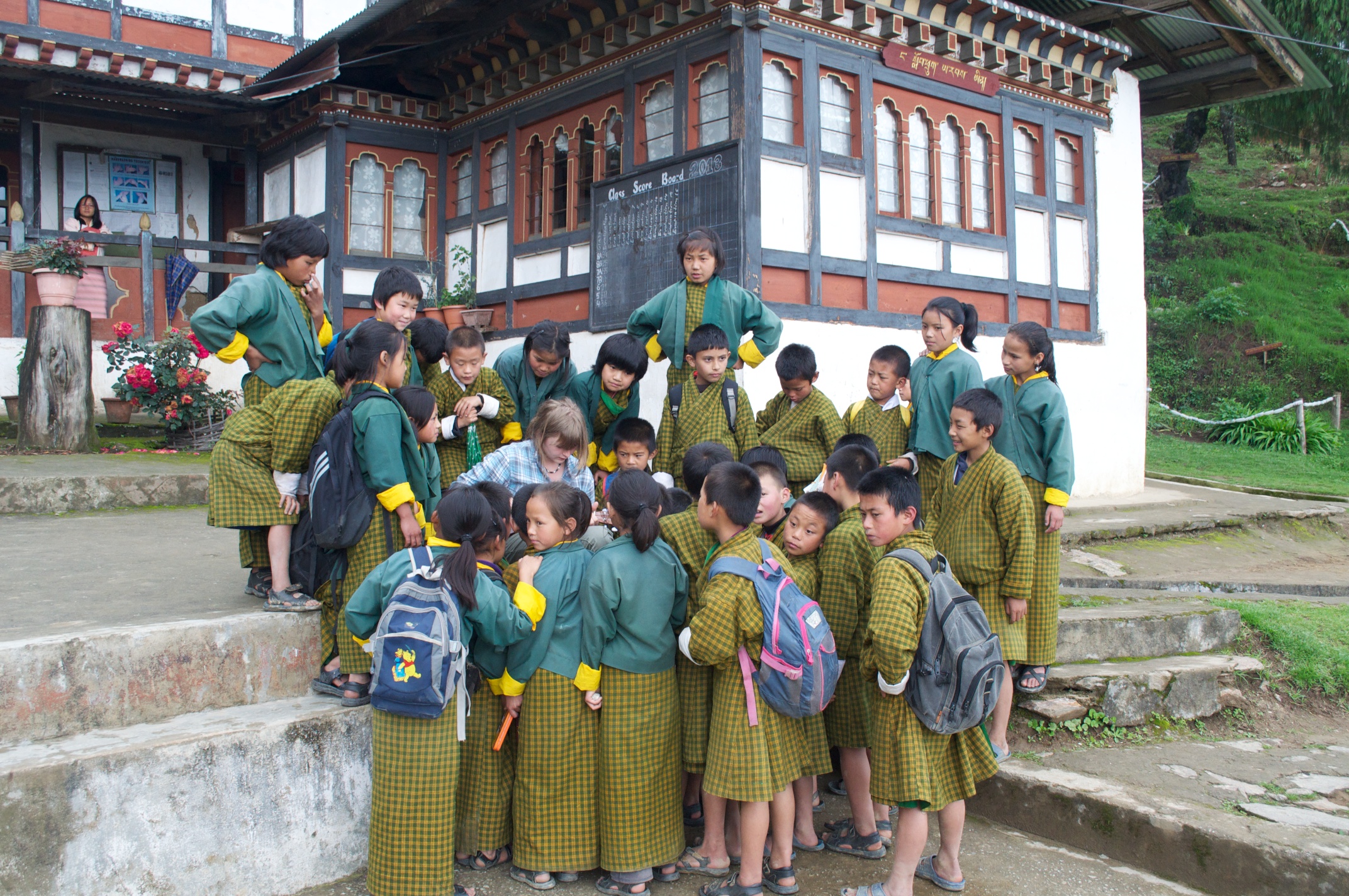
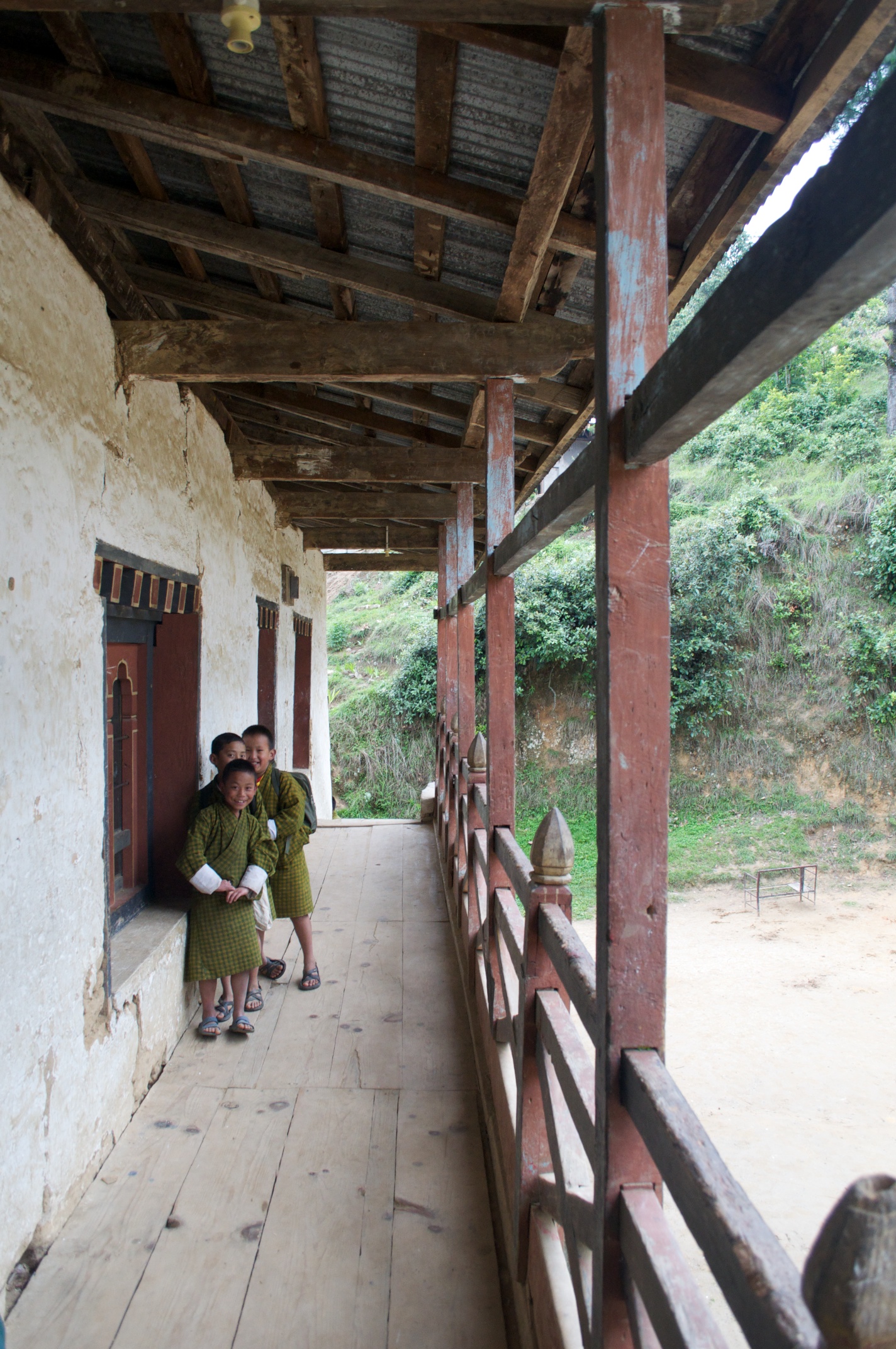

As we traveled toward Trongsa we stopped at Namgay’s former elementary school and walked to his village. We had the chance to meet with students, teachers, and the principle, and we offered the books we collected as a gesture of support.
The school is a boarding school that also includes students from local villages. The facilities are very basic with one light hanging from the ceiling and students crammed into tiny rooms.
We met Sara, a Canadian teacher working at the school from the Canada-Bhutan Foundation. She was eager to show us around and the principle agreed.
While the facilities are rough, Sara shared that the work is challenging and rewarding. Access to supplies is limited and even basic things like paper and crayons are hard to come by. We had already talked to Namgay about adopting this school and sending supplies the school needs, and I think this cause is both worthy and needed. More on supporting this school later.
Rock Star Layla
As we settled in and hung around students and teacher, Layla got out her ukelale and began playing. She immediately drew a crowd and they listened, silently. Layla played the songs she knew and they wanted more! In fact, I had to step in to prevent a melee as students started to push and shove wanting to get closer to her and the instrument!
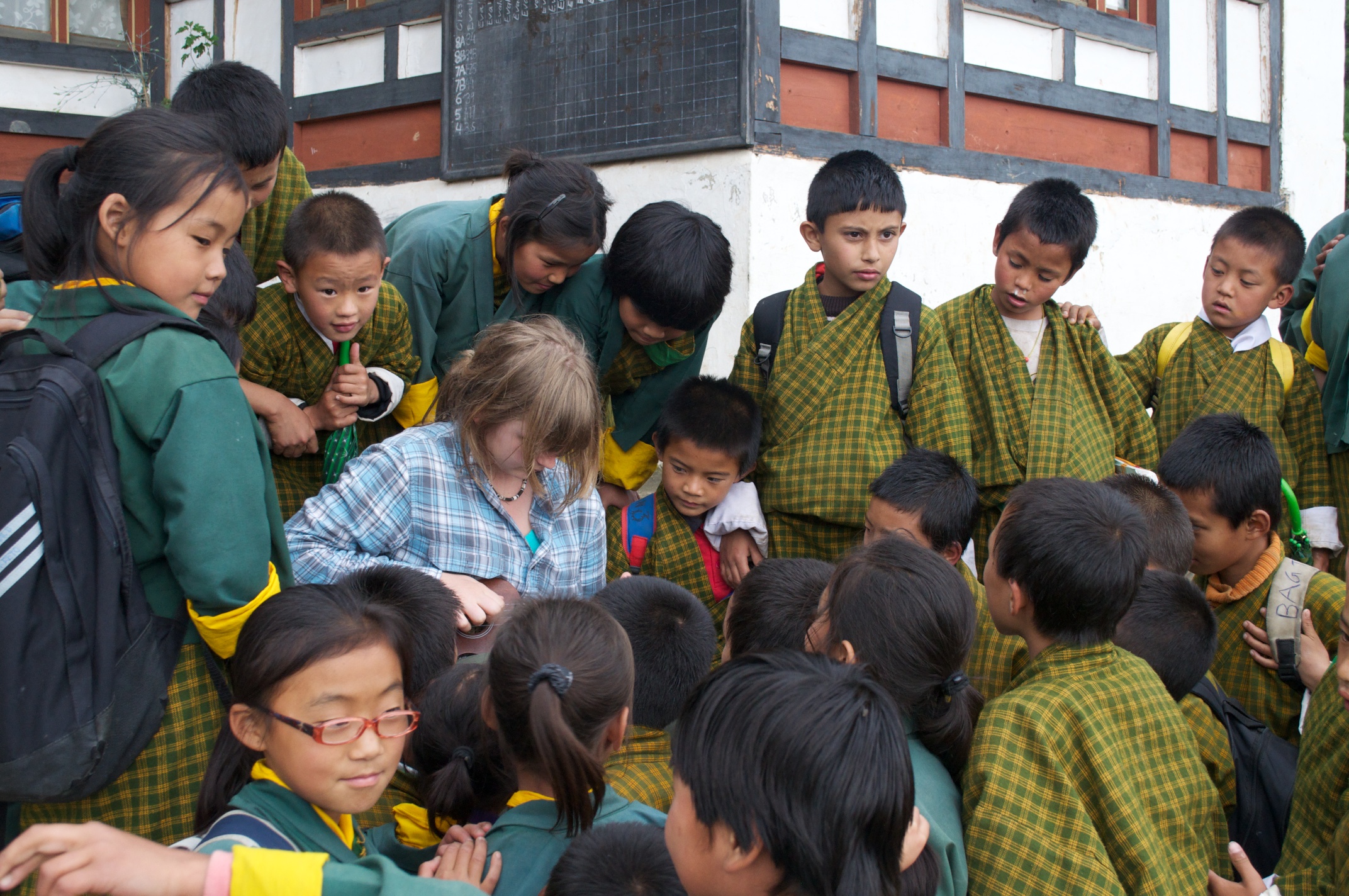
We stayed until late in the afternoon and then headed over to Namgay’s village and his mother’s house. Namgay told us all stories he heard as a child about the Yeti that lives in the area, and we were all mesmerized by these tales. His mother fed us dried rice, cooked in sugar and butter and then dried to a crispy consistency. We also had butter tea, a combination of salt, butter, and black tea. The concoction was wonderful.
What these kids really wanted was some of that kind of attention; structured play and engaged participation in an activity not associated with academics!




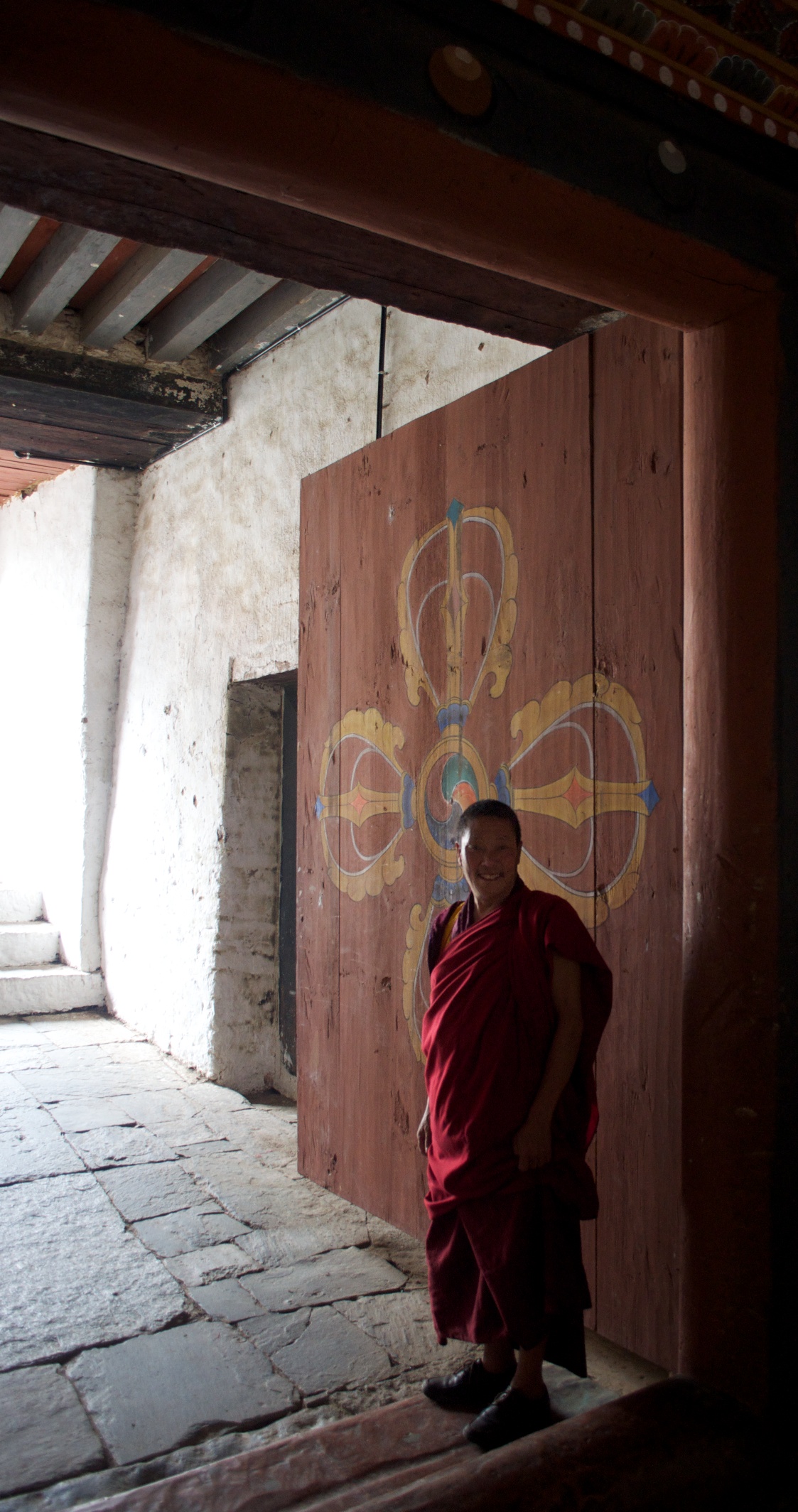
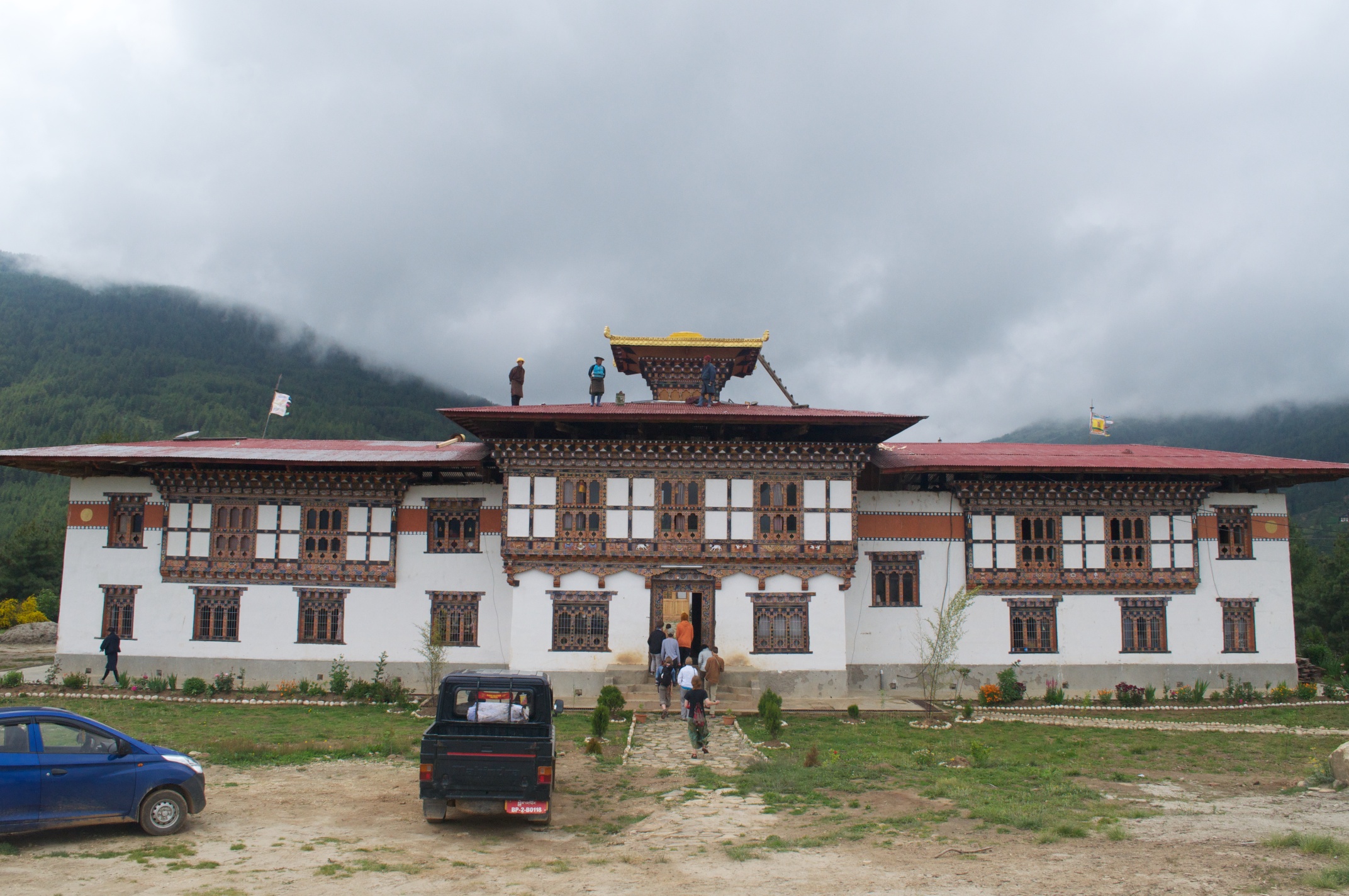
Pema Sherab Choling Nunnery
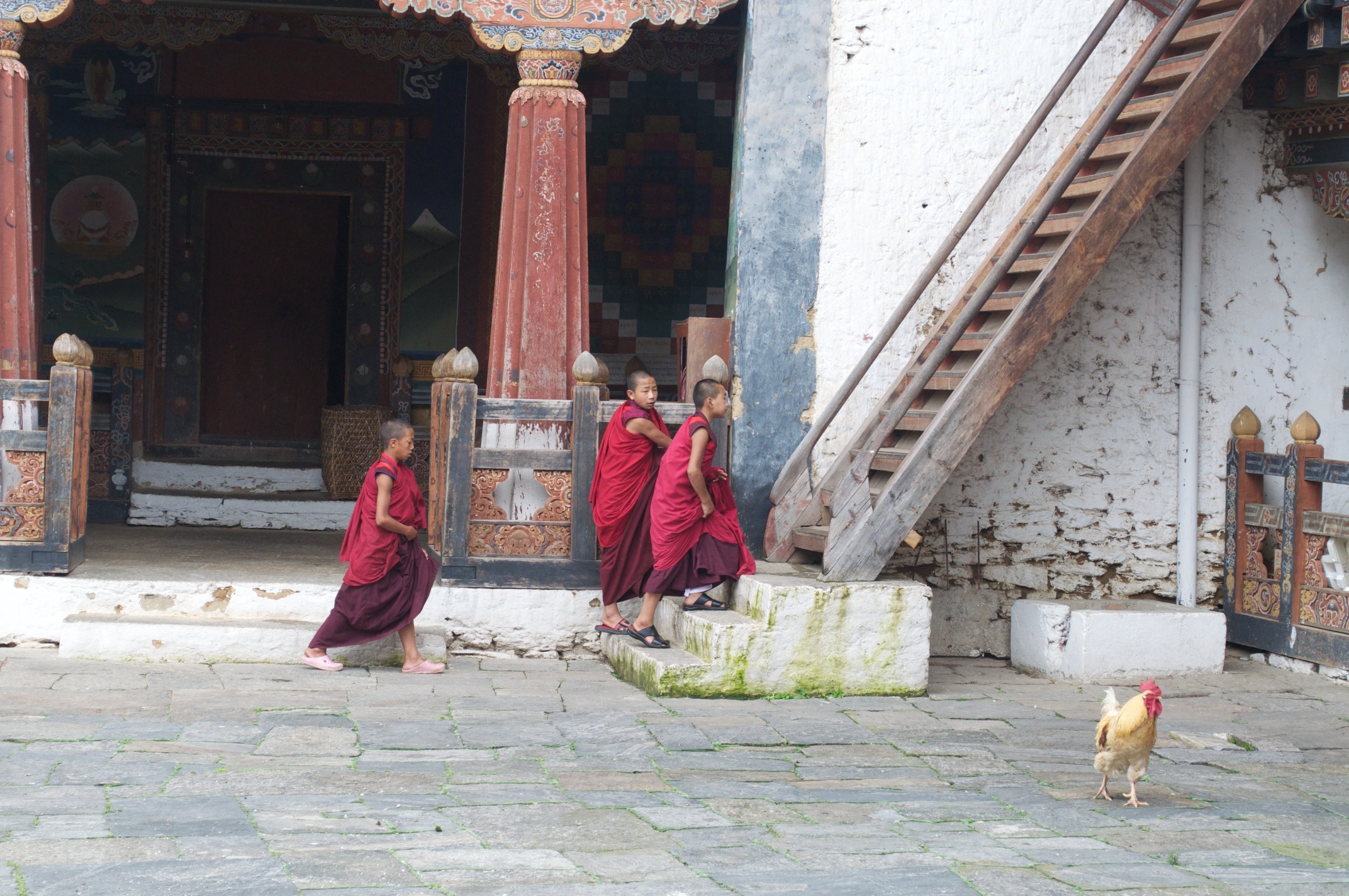
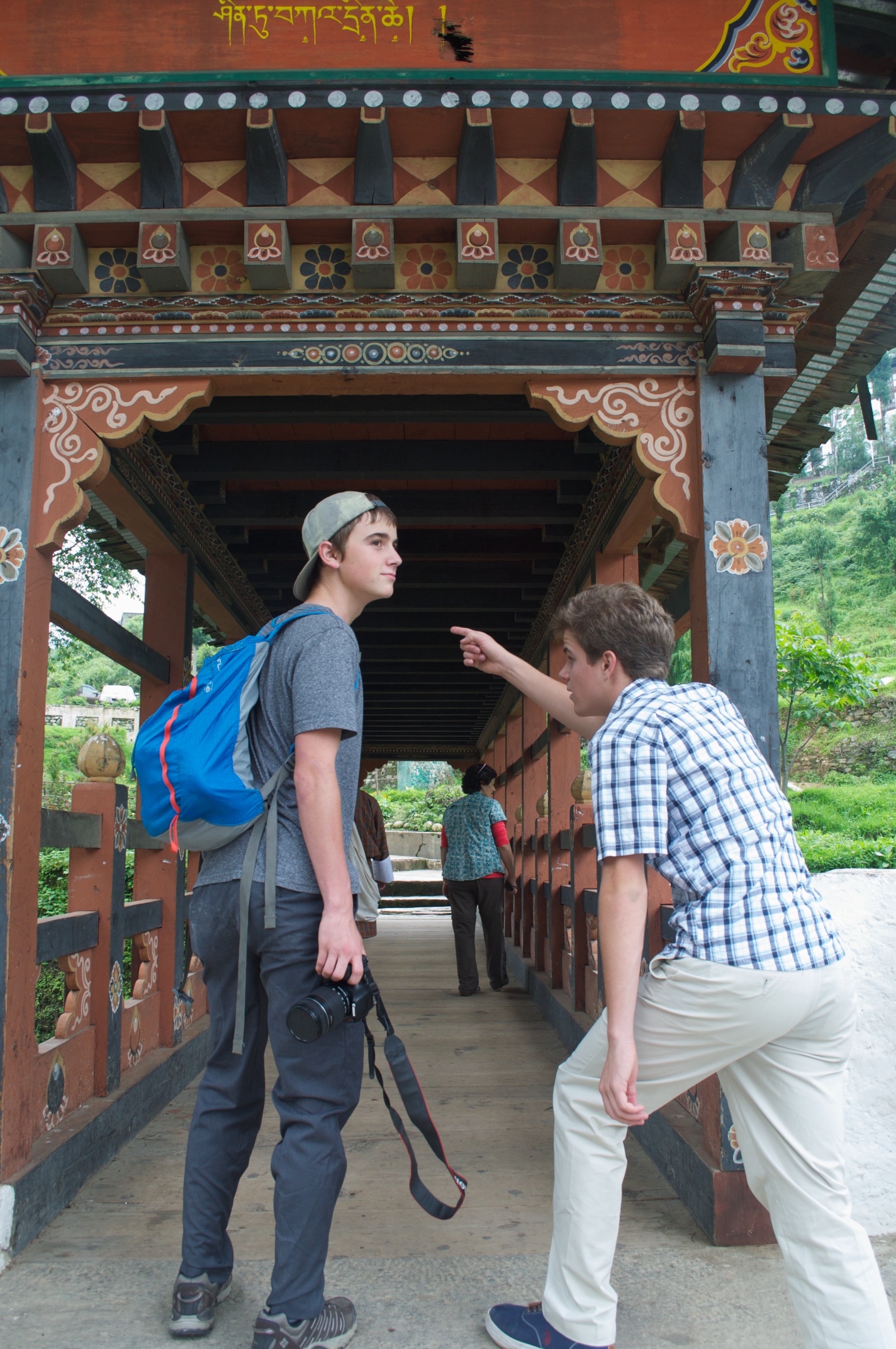
After our visit to the museum we headed to a local nunnery. The women are supported by an important lama and financially by an American family from Texas.
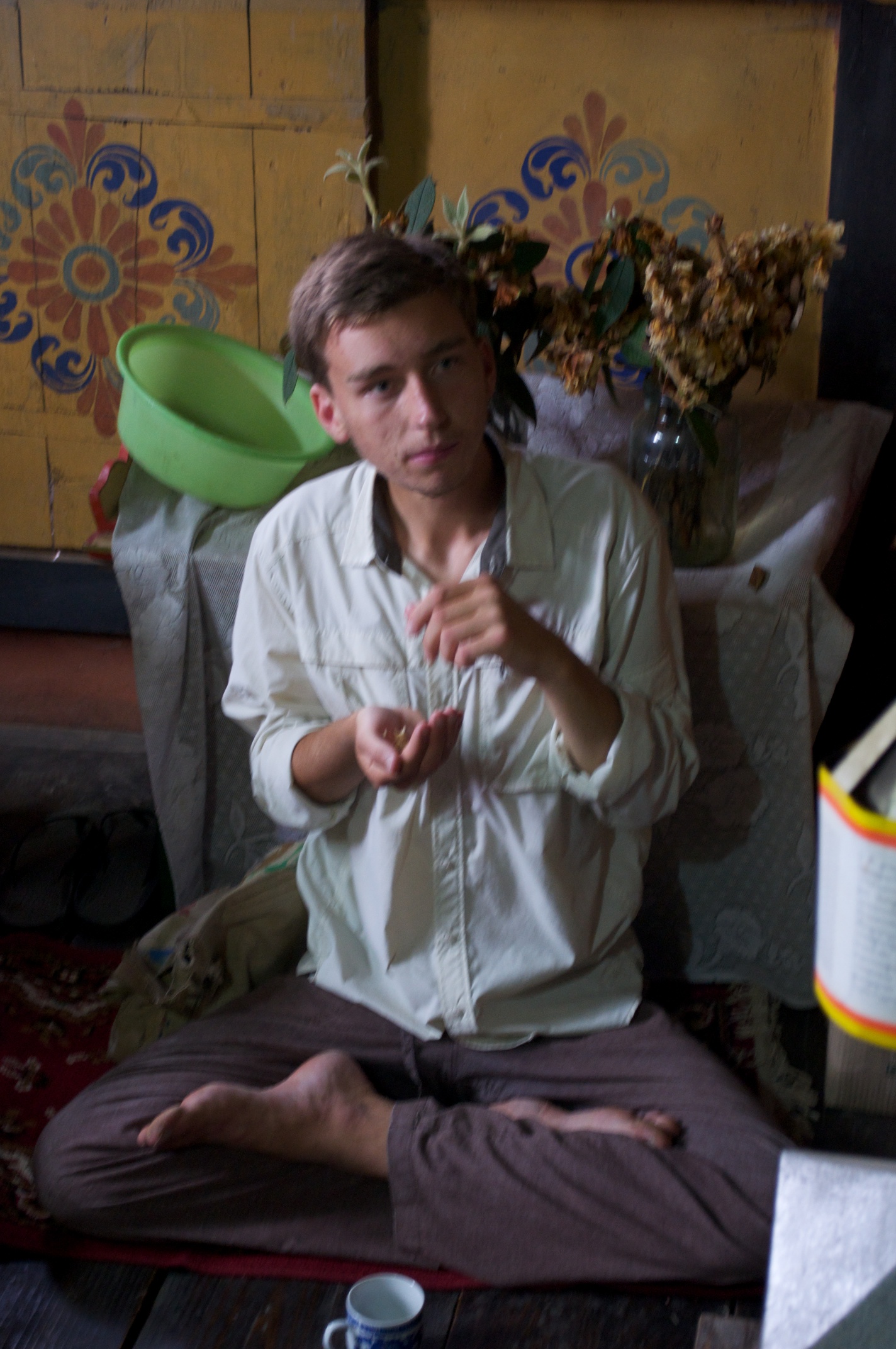
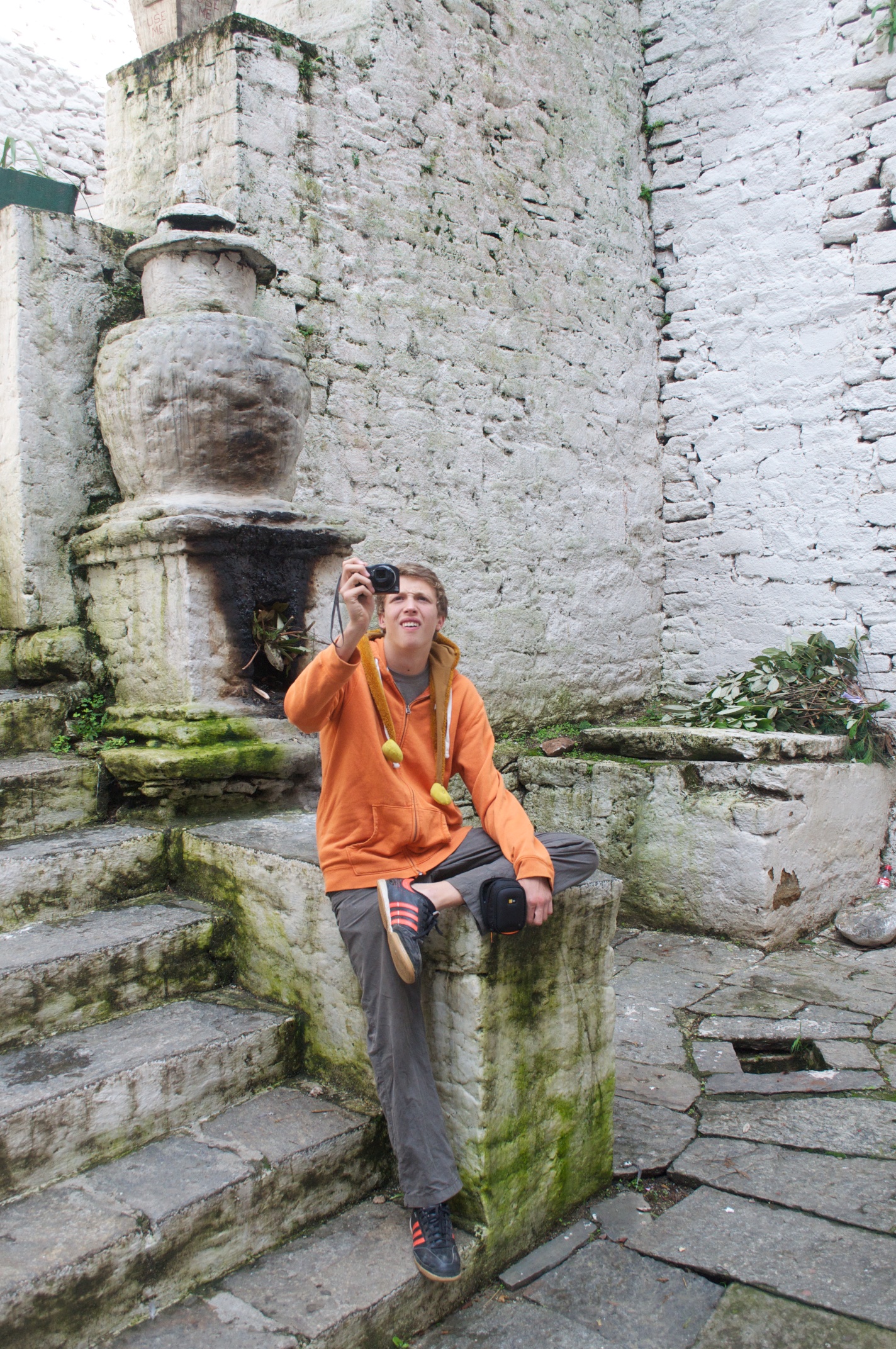
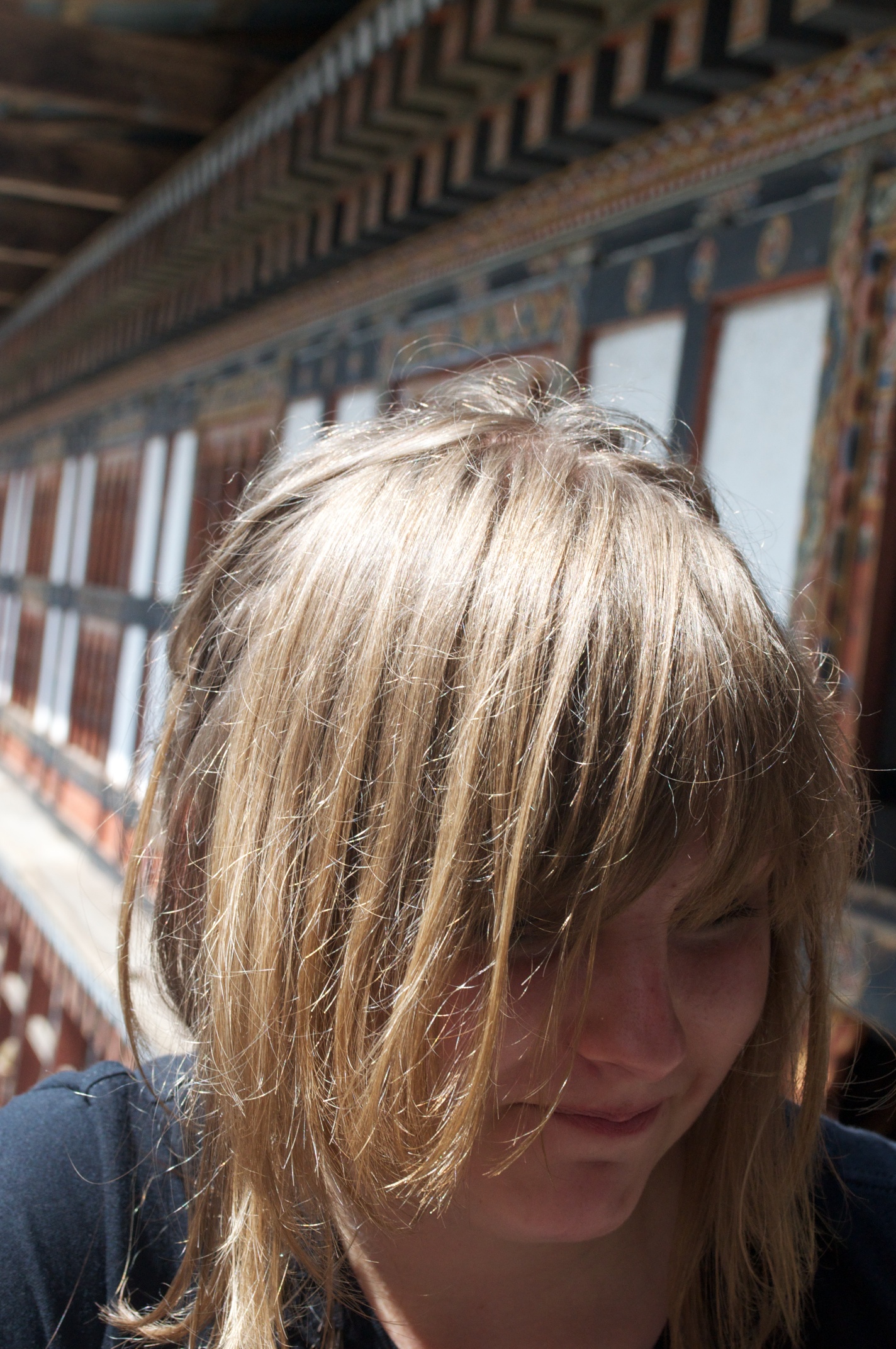
On our visit, Sebi decided to have his head shaved and a nun came out and shaved Sebi’s head in the same way the nuns shave their own heads. See the pictures for the details!
The Burning Lake
Our last stop before returning to Chamkar was a visit to Burning Lake. According to local history, Terton Pema Lingpa was born with the ability to find secret writings handed down by the founder of Buddhism in Bhutan, Padmasambhava. Lingpa was not believed and he was forced to prove that he was given the gift of finding Padmasambhava’s secret writings (hidden throughout the Himalaya region).

Lingpa agreed to a test and led many people from the local village to a point on a river where the water pooled into a small lake. At this point, Lingpa told the people that he would show them he was the “terton” or finder of these texts. He took with him two butter lamps and jumped into the water. When he came out the lamps were still lit and a light appeared in the water revealing the path to enlightenment for those willing to look.
From that point on, Lingpa became an important leader of Buddhism in Bhutan in the 15th century and found more than thirty hidden documents written by Padmasambhava.
In Chamkar Town
After our long day, the group stopped in Chamkar and Sebi, Matt, and Jordan purchased a tradition outfit for men called a Gho. All men and boys in Bhutan wear this outfit and each was fitted with the perfect one for them!
We headed back to the hotel and prepared for an evening of conversation and laughter.
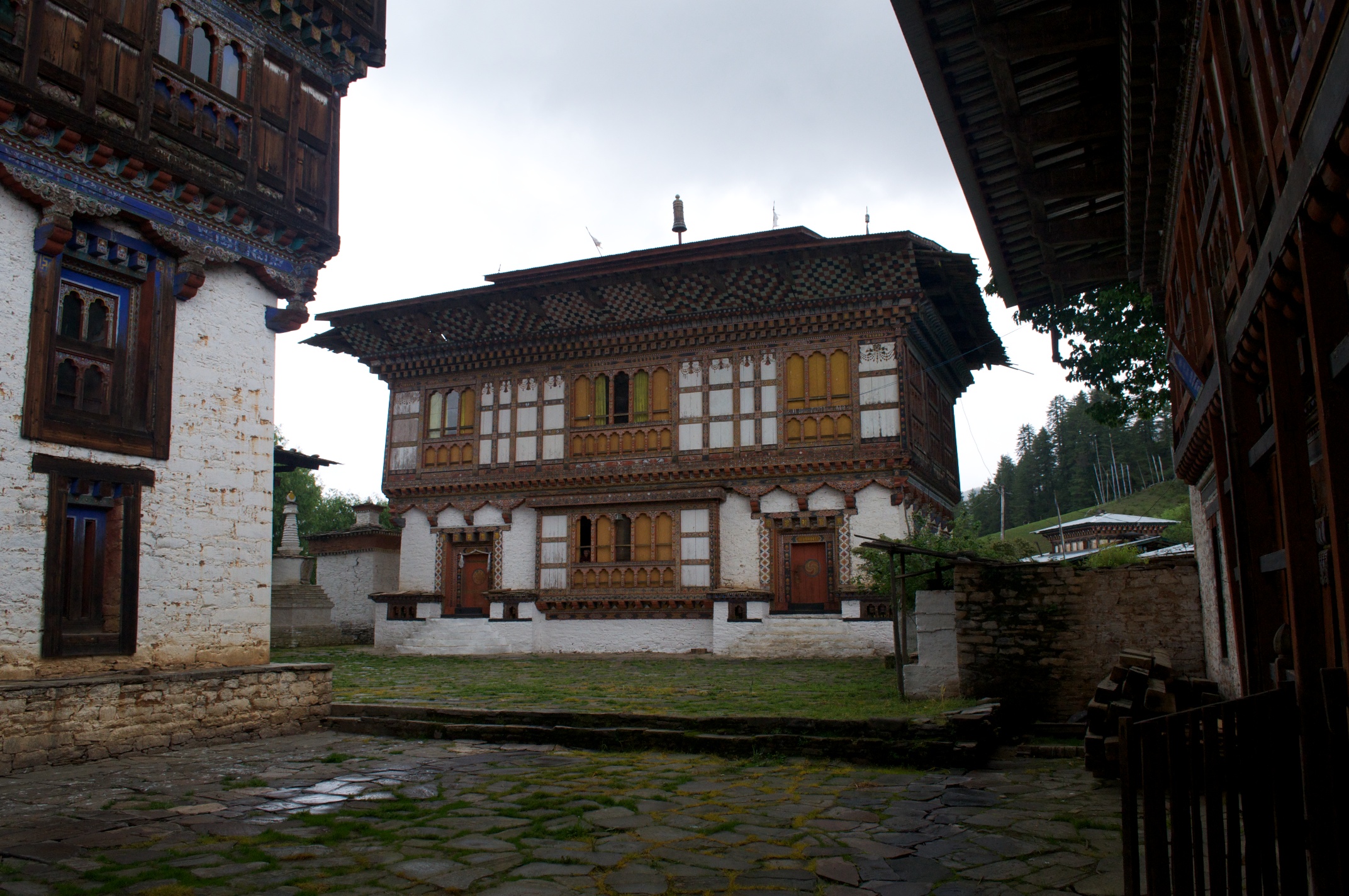
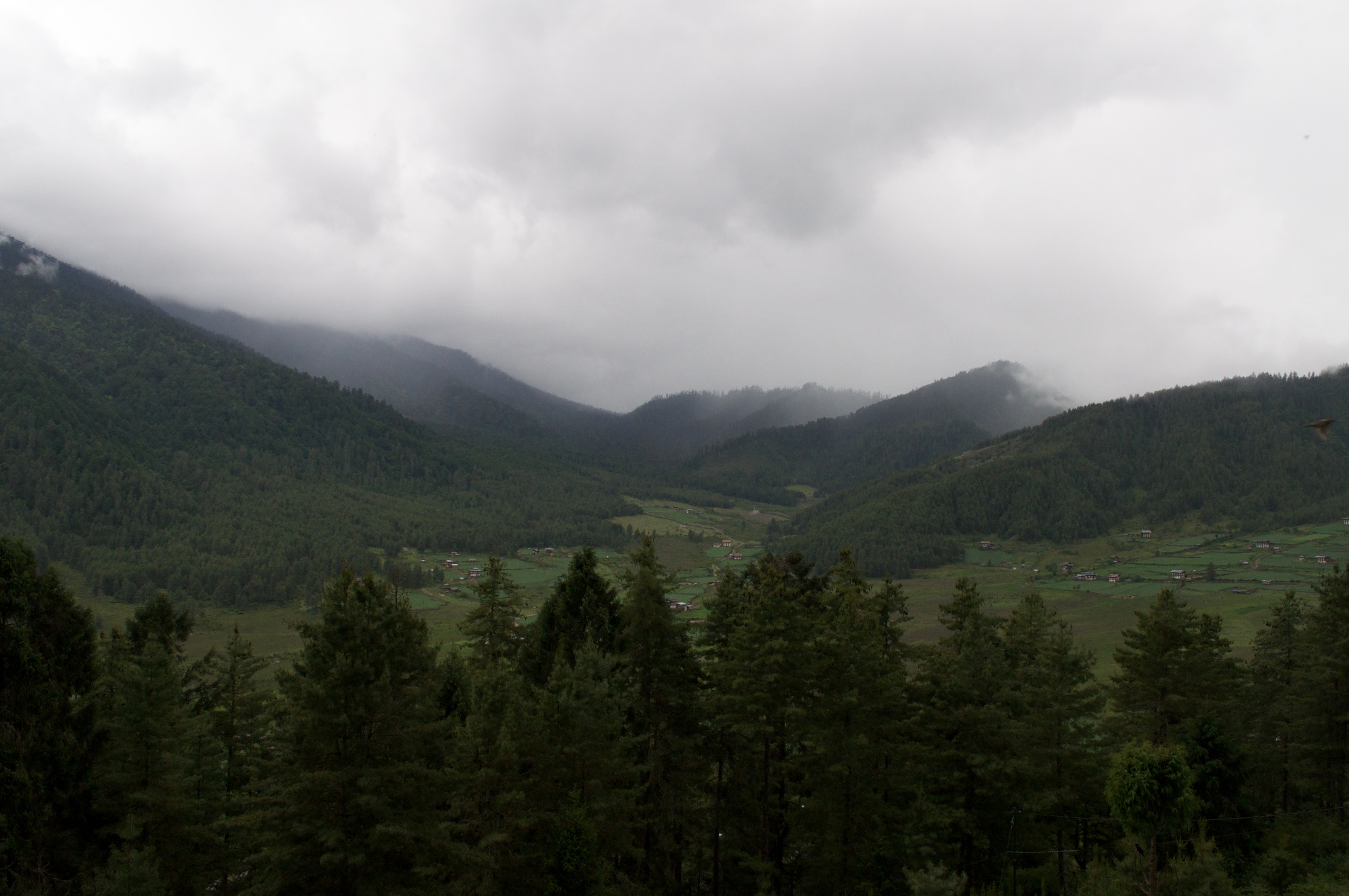
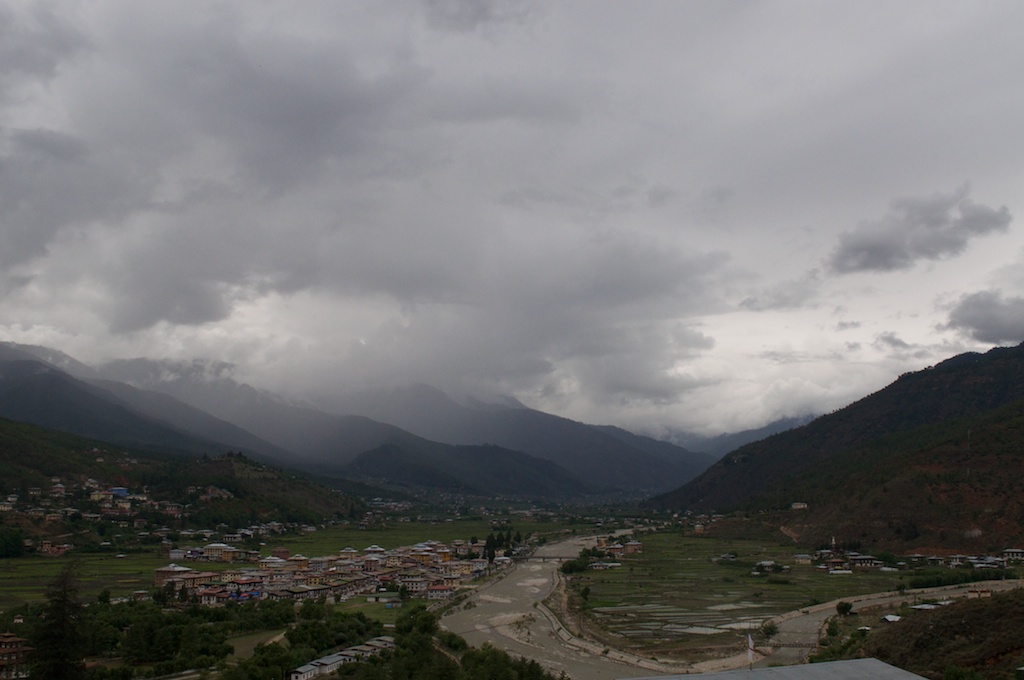
The province of Bumthang spans the middle part of the Bhutanese kingdom and includes some of the most beautiful terrain in the world. Our day included a trek to the Tang valley, an almost pristine valley of family farms and small communities.
Near the center of the valley, on a hill, is the Orgyen Choling house constructed by a governor of Bumthang about five centuries ago. The house and grounds have been preserved in excellent condition over the centuries and the house has been converted into a museum highlighting Bhutanese culture.
The drive to the house was on muddy dirt roads passing through fields and past farms all the way to the base of the hill. The road up, sketchy in the best conditions, was soaked with a recent rain and the sky threatened another storm.
Our driver, Sangey, is exceptional and his work, on this day, was no less than inspiring. He drove us to the top of the hill just as a light drizzle descended from the sky.
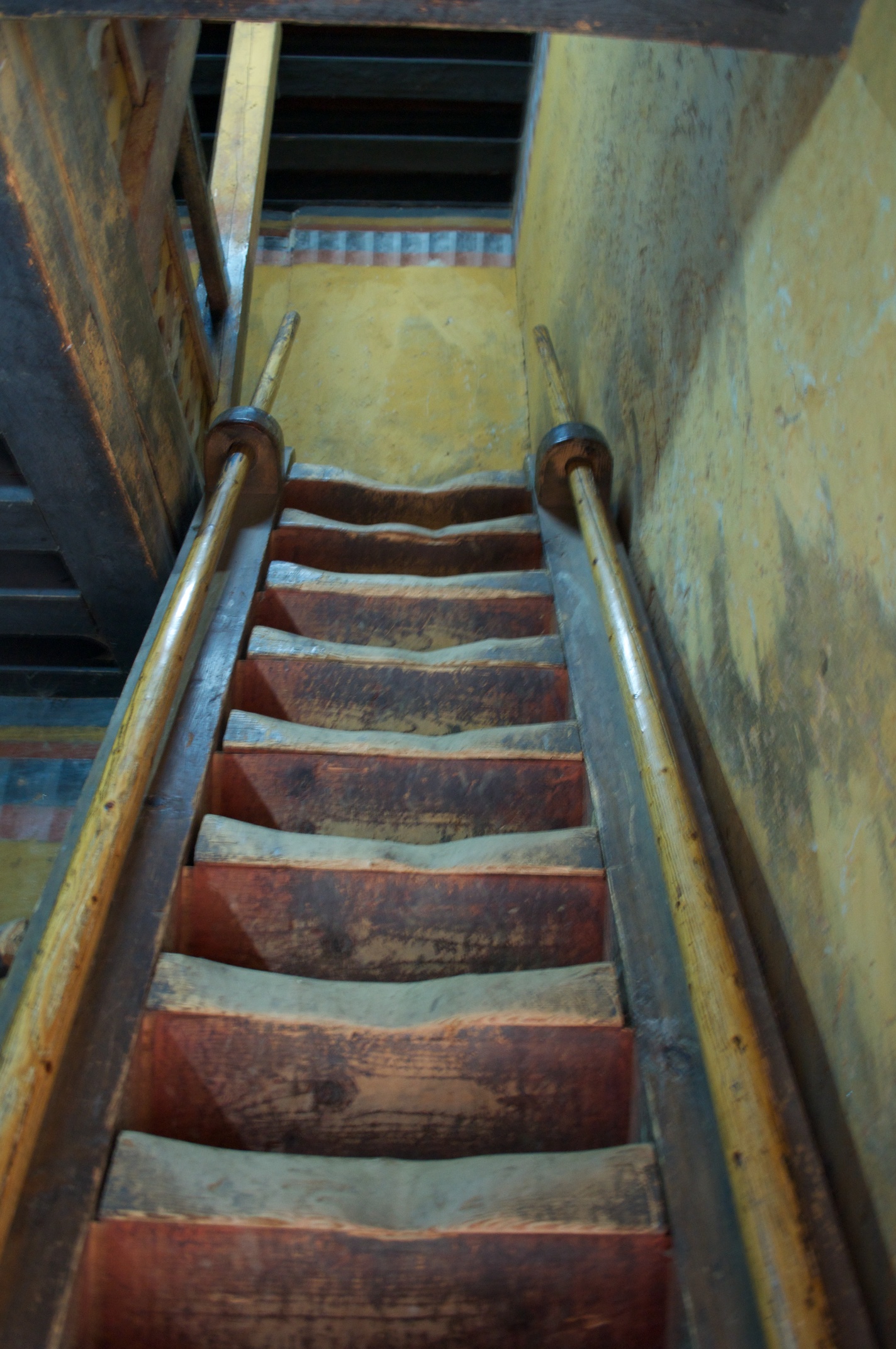
The grounds include a four story house of thousands of square feet. To reach each of the floors, folks had to climb very steep steps that included hand rails for support.
In the museum, the signage told the story of the origins of the place, beginning in the 14th century. Longchen Rabjam, one of the most famous Buddhist scholars, traveled from Tibet and founded the house and temple here. His descendants became the leaders of the region and the family that lives on the property today is related to the current royal family.
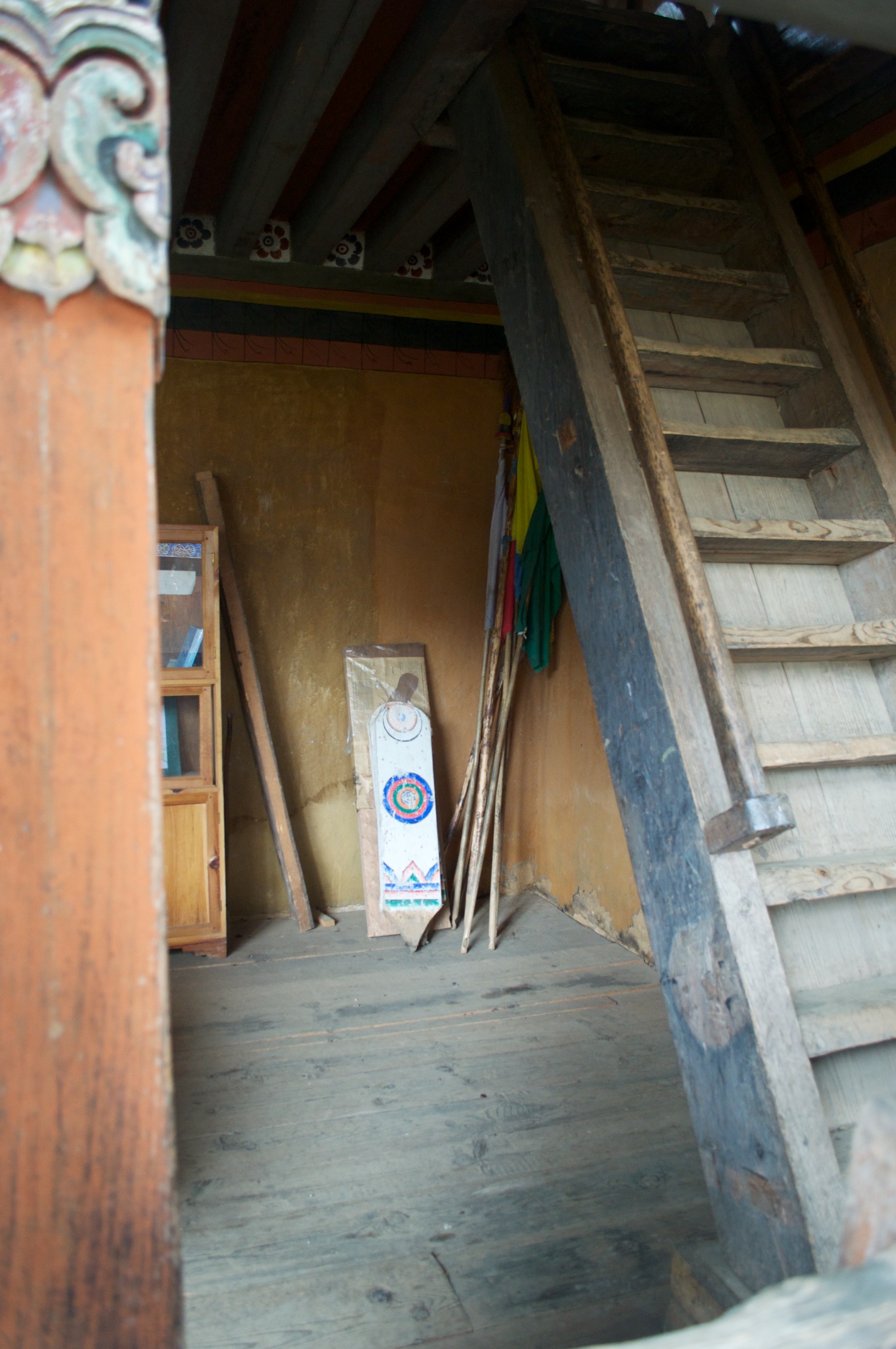
The museum houses artifacts and information about Bhutanese life from the 14th century to the present. Objects that came with the house included hundreds of important Buddhist texts, brought to this property for safe keeping. Of these, one of the most important was the text Prajnaparamita written in gold ink.
Our lunch of noodles, rice, and eme datse suited us well as we ate in a farmhouse, wood stove burning, rain falling.
Kurjey Lhakhang
Our visit to Jakar included a walk to one of the most famous sites in all of Tantric Buddhism in the Himalayas. Kurjey Lhakhang is a temple built in the 8th century by the Indian scholar and so-called reincarnation of the Buddha, Padmasambhava. Kurjey literally means body print as it is believed that the stone Guru Rinpoche layed on was imprinted with his physical form.
The stories of Padmasambhava’s travels to Nepal, Tibet, and Bhutan are legendary and fantastic. At one point he traveled on the back of a tigress, according to legend, that became his consort and later wrote down his history in poetic verse.
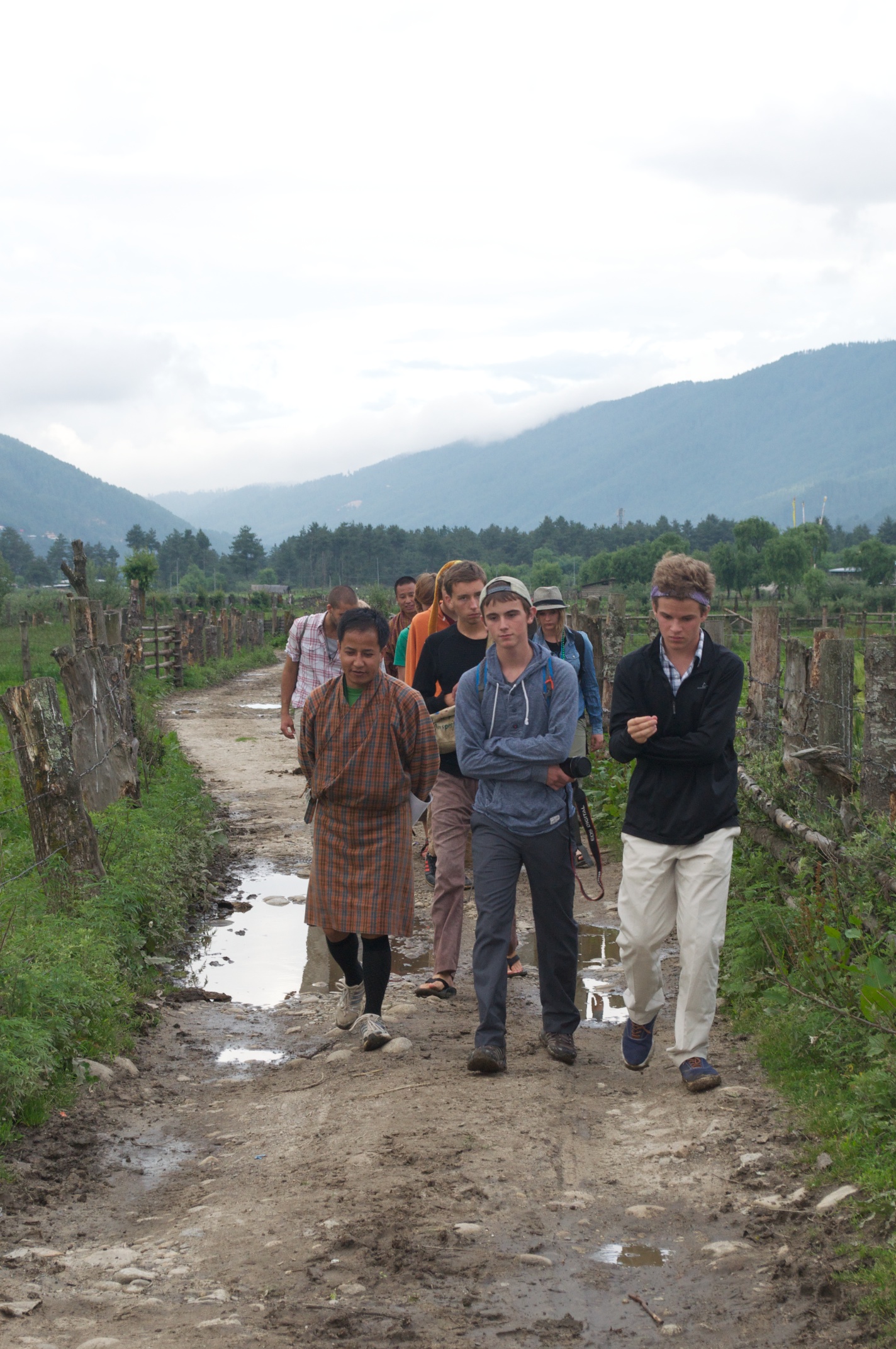
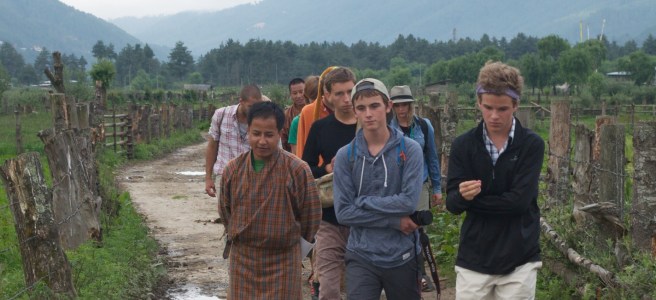
Kurjey Lhakhang is known for the cave that Guru Rinpoche meditated in and the temple is built around the cave. Our walk to the temple passed through rice patties and cattle-rutted roads past a stupa and onto the temple.
We were the last guests of the day and had an extended visit in the shrine room. We sat as Namgay told the story of the temple and we saw the cave, now painted bright blue and gold with a large statue of Guru Rinpoche.
Jakar
The town of Jakar has burned three times in recent years and the town we saw today was newer that the one we left three years ago. A festival and performance was being held on a stage in town and we stopped to watch local students perform elaborate dance moves for the crowd.
Trongsa to Bumthang
As morning dawned we had breakfast and headed into the town of Trongsa and a visit to the Dzong and Watchtower. The Dzong is by far the largest in Bhutan and we toured every inch of this fascinating structure.
However, the most interesting part of the Dzong for the students were the monkeys perched on the trees at the western side of the Dzong. A whole group of monkeys played in the trees and we got relatively close to them as we walked down through the back door entrance to the building.
The one notable feature of the Dzong was the fact that all folks heading east or west through Bhutan had to cross through the Dzong and pay a tax to the officials. The doors into and out of the dzong are situated in such a way that they pass through the center part of the building and on to the next place. Namgay gave us some idea of the time involved in travel in the 16th century: someone walking from Trongsa to a festival in Thimphu would walk for about three weeks! Today, it takes about 5 hours by car. Amazing.
Our visit to the watchtower museum culminated in a quiet sit at the top of the watch tower. This spot is one of the most peaceful in Bhutan. You sit on benches with a 360 degree view of the valleys surrounding Trongsa. The view is spectacular and the space is about the most quiet open space I can imagine. Many members of our group sat there for about forty-five minutes just taking in the place.
We left Trongsa and traveled the empty roads to Bumthang and the town of Jakar. The government declared this day a “Green Day” meaning that all vehicle movement was halted. Walking was the only way to get around (except for tourists traveling from place to place). As a result we made good time on this leg of the journey.
One of the most notable features of this road is the long, straight stretch of road passing through pine trees (similar to an American White Pine) along the roadside. What really stops you is the fact that we are no longer driving around corners…the road in the valley is straight as it heads into the town of Jakar….that one change really lightened the mood of the group.
In addition, we passed folks working along the roadside building drains and curbs next to the roadway. These folks carried their tools in large baskets slung on their backs and we met them all as they walked along the road back home after a long days work. With the workers were children from infants to probably ten years old, all involved in the days efforts. I remember having two young children at home and trying hard to get work done…and not being very successful; I admired the work of these folks on that afternoon.
We arrived in the town of Jakar in the late afternoon, checked into our rooms and headed to two famous temples in town.
Jam-Lhakhang
The first temple we visited, Jam-Lhakhang, is one of the most sacred places in Bhutan. This temple, built in 659 C.E., has been continuously run by Buddhist monks. The building just feels ancient as you walk through the doors. The weight of the roof weighs down on the doorways and the slight bend in the door frame is testament to the age and use of this structure. It’s quite amazing to realize that this ancient structure is made of stone and wood and still survives in the world virtually unchanged in 1500 years.
As we entered the building, we saw many towns folk spinning prayer wheels and praying in the temple. They walk clockwise around the structure, spinning prayer wheels that are built into the walls of the building. Folks gave us a quick red, smile as the betel nut juices flowed out of their mouths, spit on the ground. The moment was serene.
In the inner shrine room is a sculpture of Maitreya, the future Buddha, sitting on a chair. The room and the relics in the room are very old and the space is very small. We gathered in the inner reaches of this building and Namgay explained the significance of the images and the structure.
Seeing this inner sanctum, you can’t help wonder at the power of these images and sculptures. The dominant image of Buddha, sitting in the center of the room surrounded by statues of later teachers and practioners was moving to us all. Combine that feeling with the dim light in the room, casting shadows on the beams above and the floor below, and you feel a real sense of being centered.
 gentryfunkblog