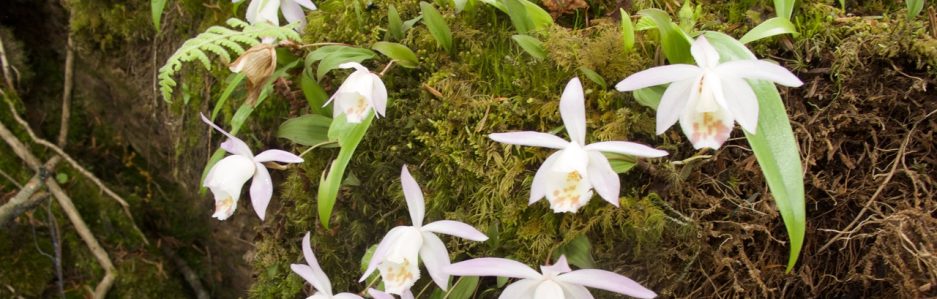
Our travels to the eastern part of Bhutan was a long day. The roads in Bhutan are generally good AND the countours around the mountains take hours even though distances are short. Combine that situation with travel in vehicles no more than 35 – 40 miles per hour, and the process of travel from place to place is much longer than one might expect.
At the same time, our travel allows for a more nuanced approach, giving us time to stop for tea, photograph, and talk to people along the way. This very intentional approach to seeing a place makes for a much more considerate experience.
SO, we made our way across the country. Once in CHamkar – BUmthag, we settled into our residence for a couple of days, and then began our day in the pouring rain.
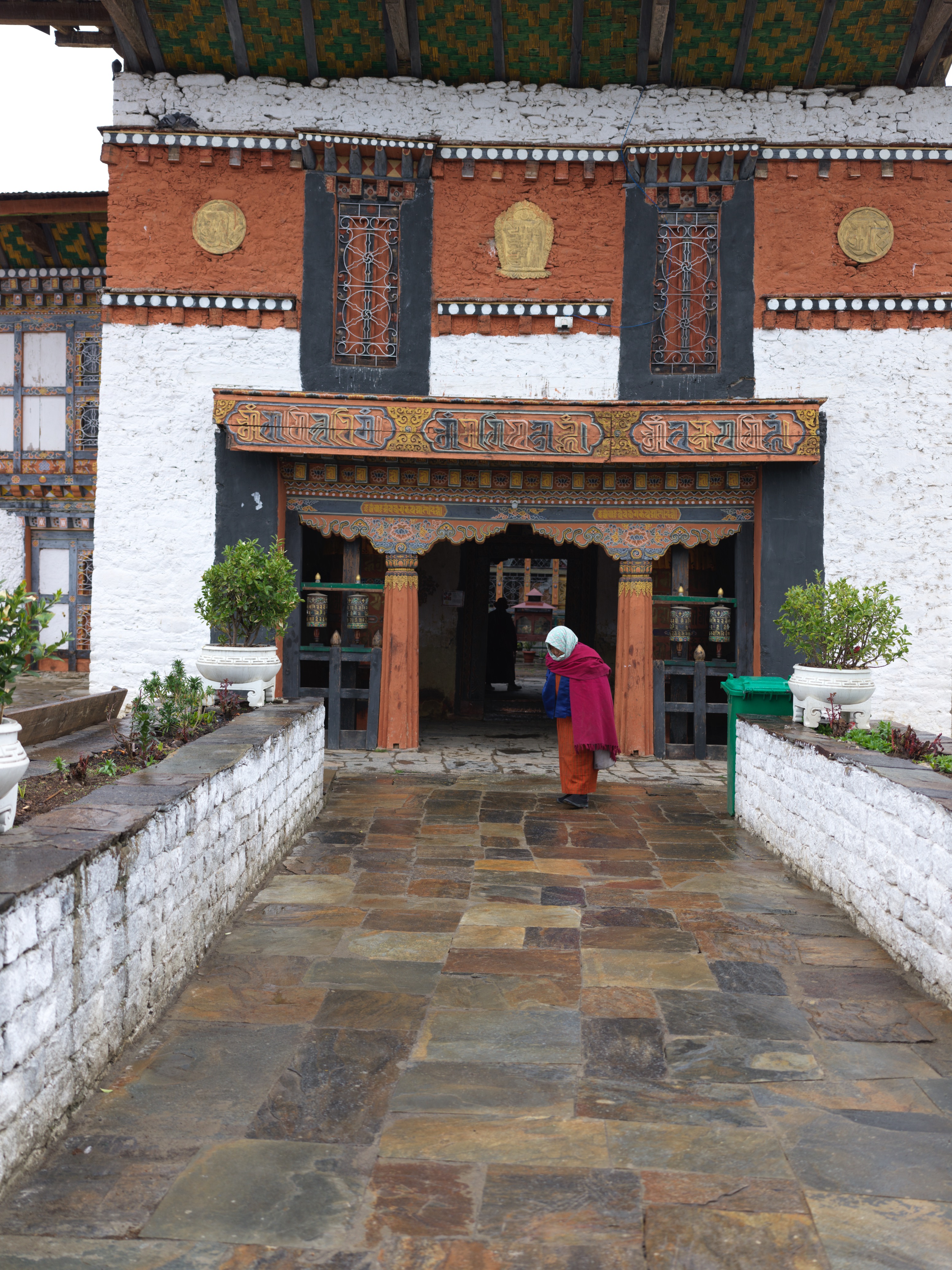
Our first temple was among the oldest temples imn Bhutan, Jambay Lhakhang. Build in the 600s, this temple’s interior shrine room is filled with statues of Padmasambhava and is 8 emanations. In addition, the space includes relics and ancient objects referencing Buddhism deep past in this region. Some folks refer to the Bumthang Valley as the cultural heart of Bhuddhism in Bhutan. Everyone from Pema Lingpa, Longchenpa, and Padmasambhava visited this place, l;eaving a mark on the culture and the landscape.
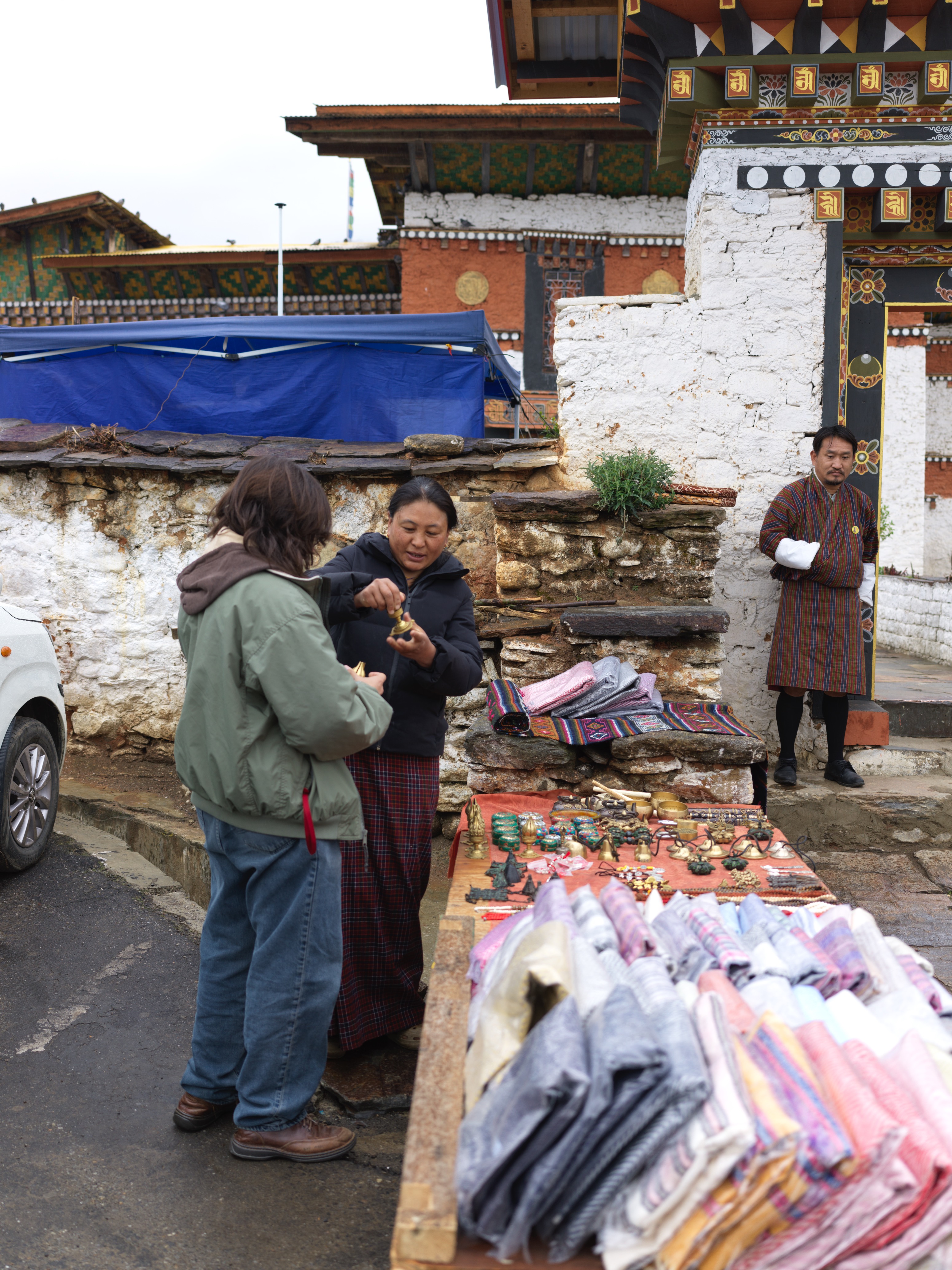
On a typicl day here in Bumthang, we would have walked the short distance to each of the temple along a dirt path to Kurjey Lhakhang, the location of the cave where Padmasambhava meditated more than 1400 years ago. Today, we took the bus to the temple and visited the shrine room and saw the cave that Padmasambhava sat in. If you ever wanted to visit one of the holiest, most sacred Buddhist shrines in the world, this one is it. The cave is distinctive in that according to legend, Padmasambhava left his mark in the wall of the cave. We sat for a while in this shrine room as Tenzin told us the story of Padmasambhava and his journey to Bhutan.
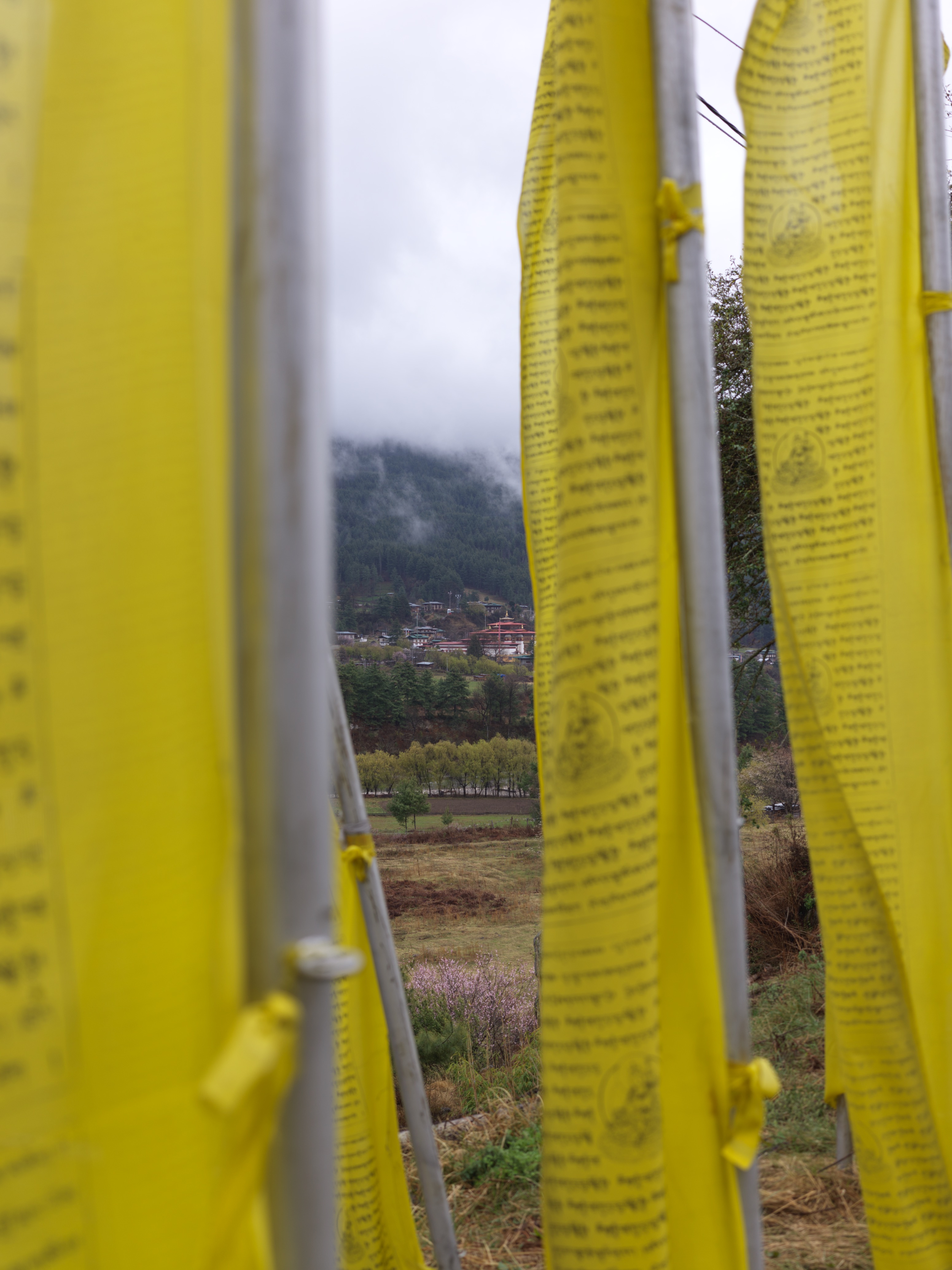
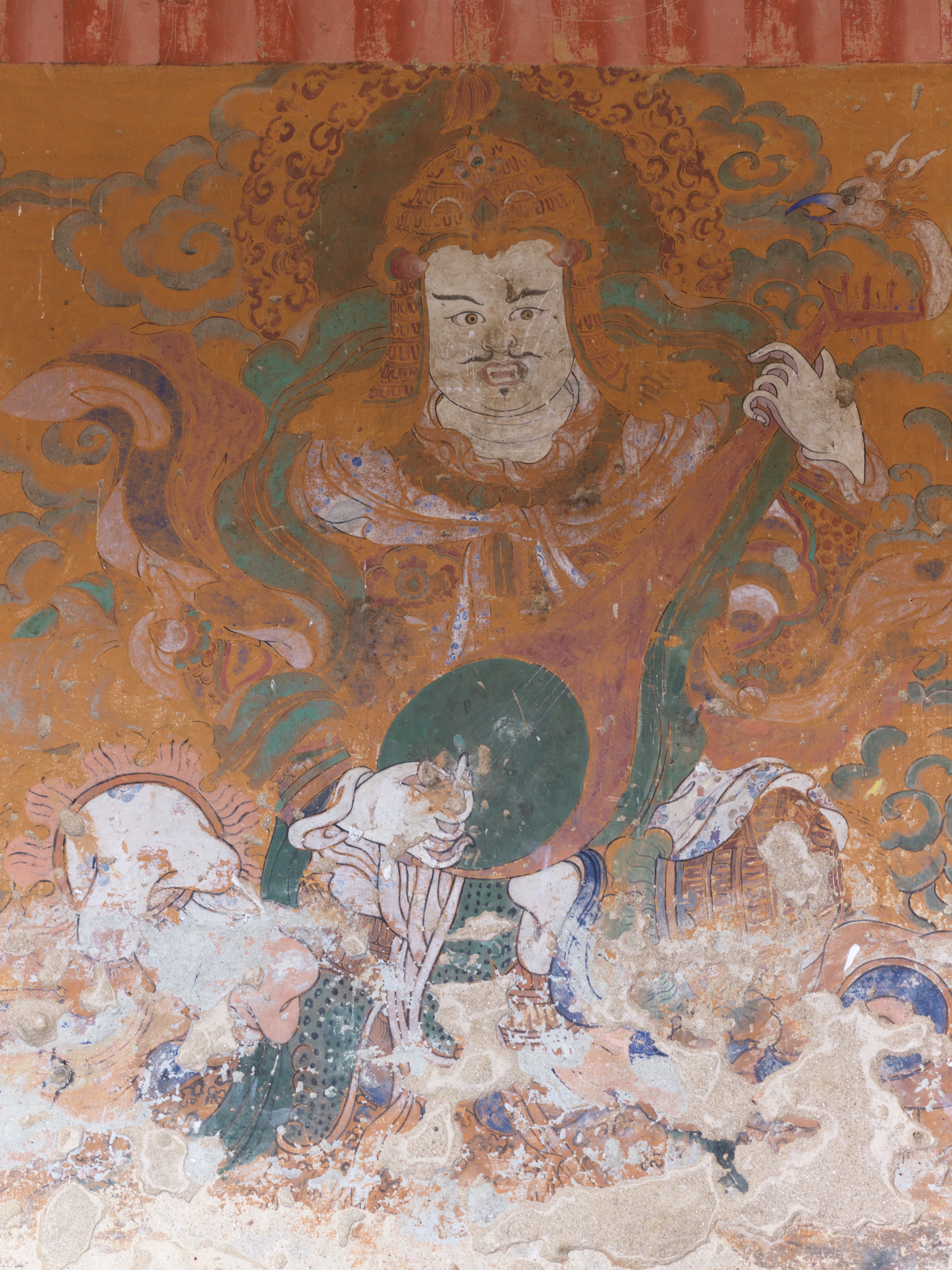
From Kurje Lhakhang, we made our way to Pema Lingpa’s temple, Tamzhing Lhakhang, across the river. Here we saw a group of people from Vietnam reciting the 100 Syllable Mantra. The temple was alive with sound, and we visted the shrine room, and saw the paintings on the wall placed there in teh 15th century.
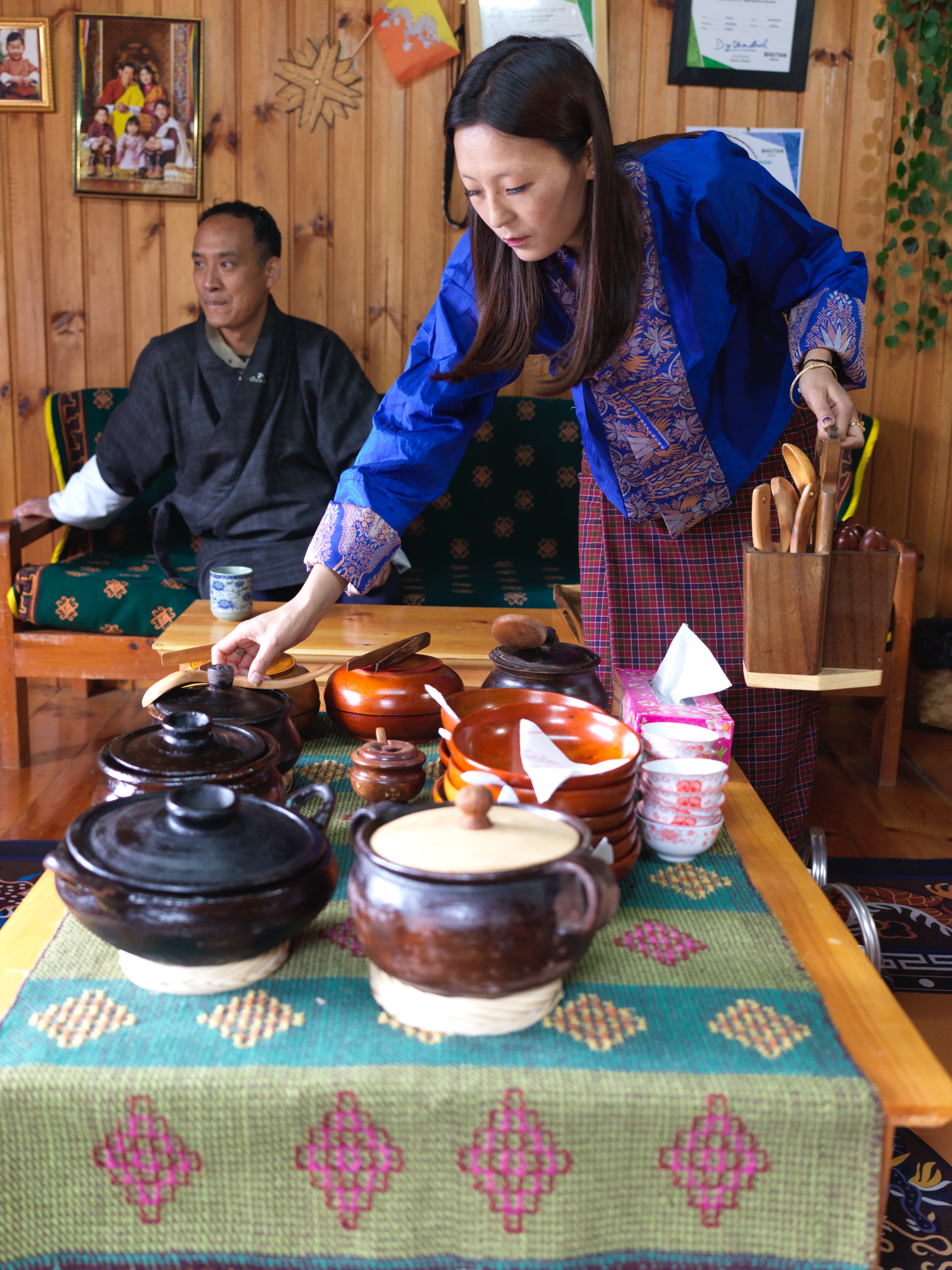
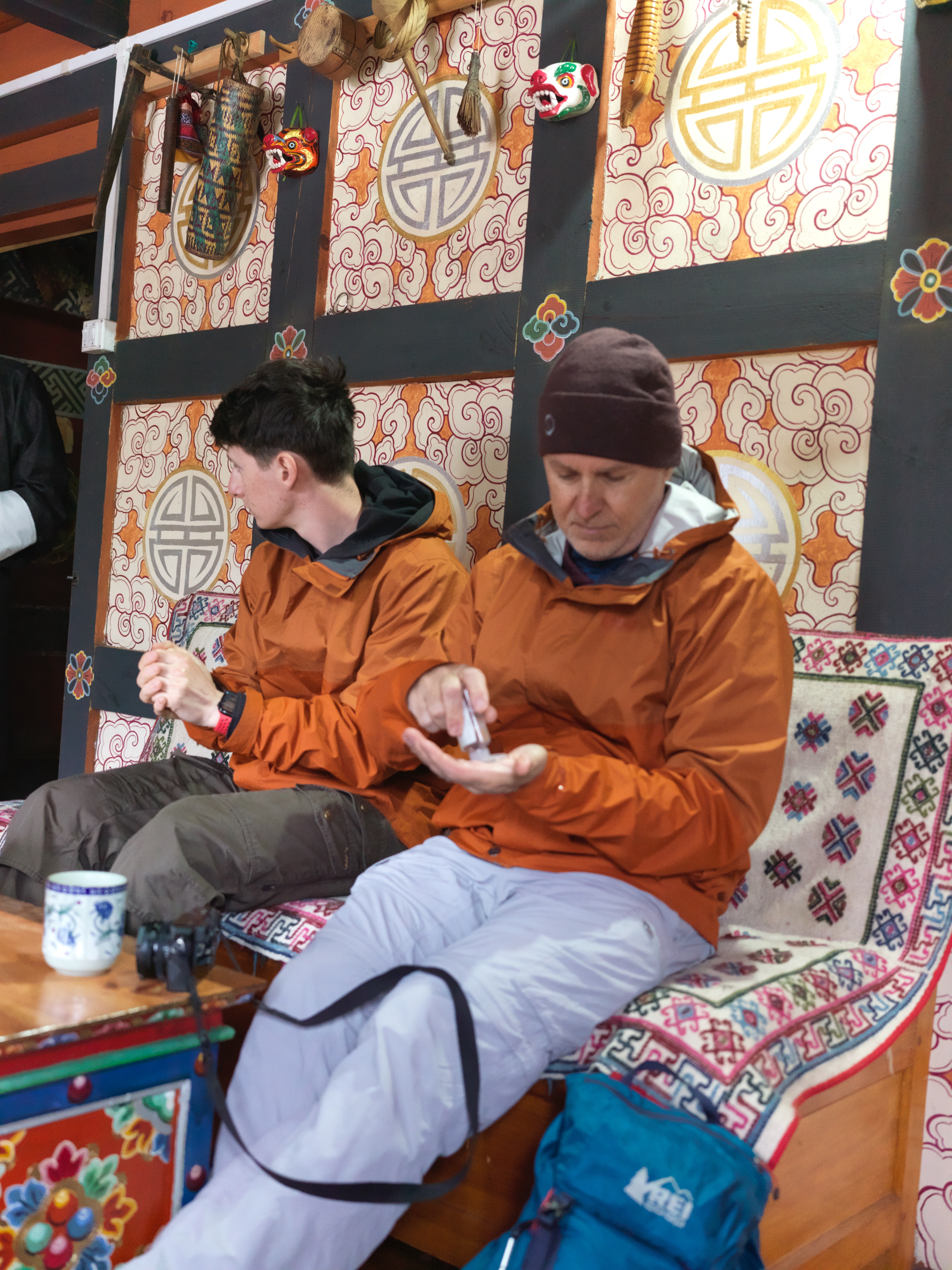
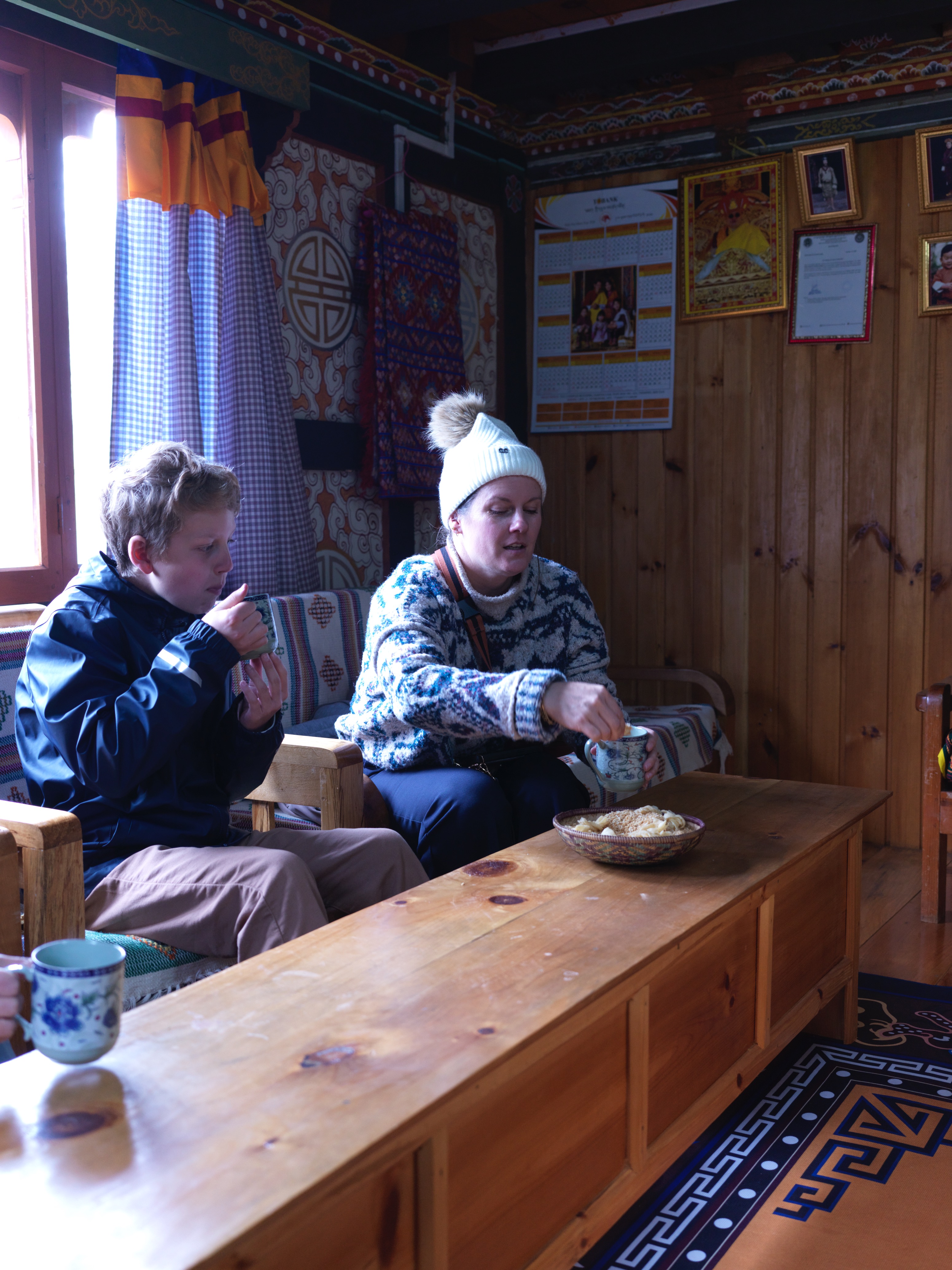
From there we headed to a local farm house for lunch to taste local food and learn aboiut how it was made. The food, by far, was among the best we sampled in Bhutan.
After the farmhouse we headed back to the Hotel and then into town. Tomorrow, our journey takes us to Phobijikha Valley and a hike through the valley and a visit to the Black Necked Crane research facility.

 gentryfunkblog