What you need to travel IS:
1. Passport!
2. A little $$!
3. A great attitude!
Everything else is optional. I can guarantee an adventure….no doubt about THAT.
TGF
Reflections, Observations, Meanderings in Asia
What you need to travel IS:
1. Passport!
2. A little $$!
3. A great attitude!
Everything else is optional. I can guarantee an adventure….no doubt about THAT.
TGF
Traveling outside of the United States, or really any home country, involves putting yourself into an uncomfortable situation. The language sounds unfamiliar, the people don’t share the same habits, the organization of the place is outside of our routine expectations…all of these “differences” stand out to us in glaring detail.
Yet, the reality is, so many similarities exist between human beings. Communication is not as difficult as you think. It is remarkable how much a show of kindness and genuine interest in the lives of individuals allows for mutual respect and connection.
What you realize is that all travel, even within our home countries, challenges our expectations. My advice, then, is to be open to the experience and be open to the challenge of learning about a people and a place. Being open, in this context, means listening carefully; watching hand gestures and other physical cues. When things don’t go the way you expect, allow for the unexpected by not getting angry or resentful.
Most importantly, avoid demanding anything. The stereotypical example of the “rude tourist” is sometimes well deserved (see: Why Americans Get a Bad Rap). The way not to be a rude tourist is to accept what happens. If something does not meet expectations, then kindly ask for what you need. If you don’t get it, then simply move on….always remember the point of the trip and the travel: enjoy the experience or, as Rumi stated, “There is a community of the spirit/Join it, and feel the delight/of walking in the noisy street, and being the noise.”(Coleman Barks, The Essential Rumi).
Travel well, my friends!
Hi Folks,
As I mentioned in our meetings, packing well and packing small is a wonderful art. Over the years I have refined and refined the process to include fewer and fewer things. As we travel in trains, planes, and in small vehicles, packing light and simply makes a real difference.
For packing advice, you can find numerous web sites and suggestions. I like a couple of the One Bag web sites that detail how to pack with a single carry-on bag. As you know, I selected the EBAG as my bag of choice…take a look at the options and tell me what you think: http://www.onebag.com/checklist.html.
Remember that packing is an art and it takes some time to gather your thoughts; my advice…pack a few times before you depart!
Be well and enjoy the process!
TGF
Hi Folks,
With the situation in Nepal in the news and the devastation of the region, some folks have asked about Bhutan, Nepal’s neighbor. The most recent studies on seismic activity in Bhutan are located here: Bhutan Seismic Activity. Notice that evidence suggests that the zone of most serious concern has moved west toward Nepal in the past 500 years or so.
However, that study does not mean that Bhutan will not have a significant quake. We will talk about being as safe as you can be in an earthquake zone and develop a plan of evacuation in case we face some serious seismic activity.
Concerning earthquake safety and preparation, check out this information from ready.gov:
After the earthquake is over, you should expect aftershocks. If you are indoors, make sure it is save before you head outside. Attempt to extinguish small fires, and check on your utilities: turn off the gas at the main, and be aware of gas leaks. Help injured or trapped persons. Remember to help your neighbors who may require special assistance such as infants, the elderly, and people with access and functional needs. Give first aid where appropriate. Do not move seriously injured persons unless they are in immediate danger of further injury. Call for help, but know that phone lines could be unavailable.
For those interested in local news sources in Nepal, northern India, and Bhutan, you can check out these sites and the information posted at these news outlets.
For Bhutan:
For Nepal:
For India:
Among the remarkable pieces of Bhutanese History is the story of Padmasambhava and the arrival of Buddhism to the region. Padmasambhava, popularly known as Guru Rinpoche or Guru Drubchu in Bhutan, traveled to the Himalayan region in the 8th century. An excellent short essay on his travels can be found on about.com HERE.

You will find, as we travel around Bhutan, paintings, sculptures, carvings, and stories about this legendary figure. As we make our way across the country, keep your eyes open for these signs of his travels and historical sites that honor his gift to Bhutan.
Enjoy!
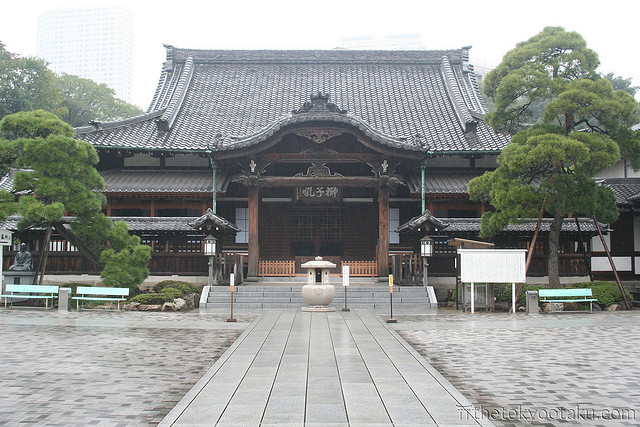
On our arrival in Tokyo, we will stay near the Sengakuji Temple. The temple is dedicated to a fascinating story about a group of samurai known as the “47 Ronin”. Detailed information is available all over the web and I like the information located at 47ronin.com…..for THAT information check out this web site 47 Ronin.
Japanese history since the unification of the country under samurai rule is remarkable in the society’s attainment of art, literature, architecture, and political structure. The Edo period, as it is called, begins with a civil war and consolidation of power and ends with the dramatic modernization of Japan under Emperor Meiji. Check out some of that information at the Japan Guide web site HERE.
If you are interested in a more in depth look at Japanese society during the Edo Period, a couple of my favorite books include:
Donald Keene’s World Within Walls
Matsuo Basho’s The Narrow Road to Oku
Enjoy!
You will not find a lot of information about learning Dzongkha online….however, you can find a couple of sites that offer some information. Dzongkha is related to Tibetan and the script is very similar. Take a look at these sites, if you are interested, and try out some Dzongkha.
General Information about the Language
Bhutanese Government Site on Dzongkha
Tashi Delek!
TGF
It’s always a great idea to know some basic phrases when traveling around the world….so, in case you do not have time to learn Japanese in the next couple of months, here’s a brief and fun way to learn some phrases.
http://www.genkienglish.net/genkijapan/japanese.htm
You can also try this link for a more complete set of information:
http://www.linguanaut.com/learn_japanese.htm
Enjoy learning some new phrases!
TGF
 gentryfunkblog