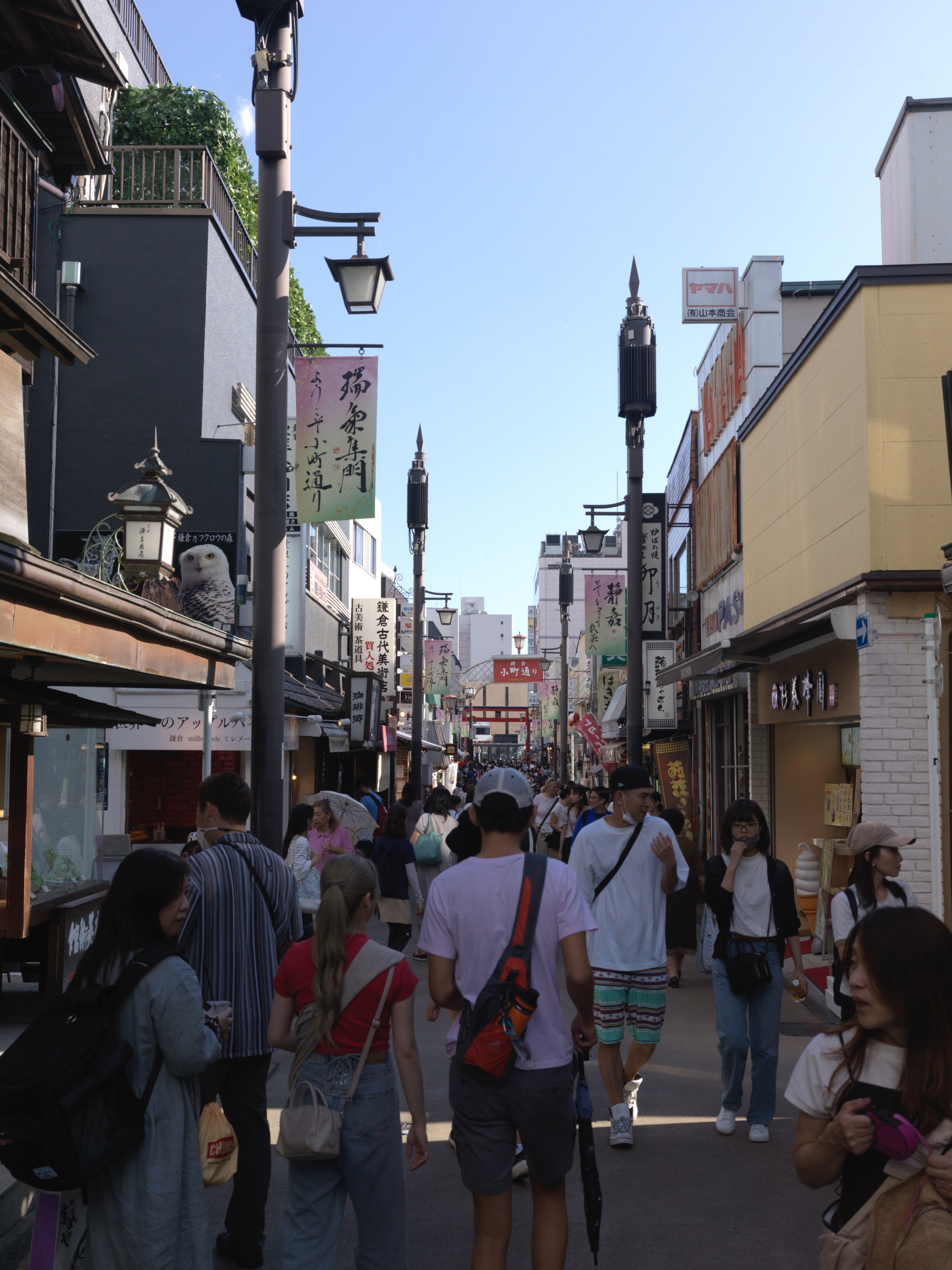
The one thing you can count on in the spring and summer months in Japan, now that COVID is on the decline, are lots and lots of people in places that are tourist attractions. The truth is, many of these places are worth visiting even in the most crowded of situations and that was the case on this day in Kamakura.
Now, let’s be clear, even in highly traveled areas, you can find a respite and a wonderful bowl of ramen if you just walk a few paces in one direction or other. For example, when arrive in Kamakura you head away from the crowded Komachi-dori and instead make your way out of the station and down the hill to the west, you’ll locate shops and cafes uncrowded and pleasant. This was the case today as I led the group away from the thousands and into the quaint village that everyone wants to “discover.” Generally speaking, no discovery necessary here…just head downhill outside of Kamakura station and find your bliss!
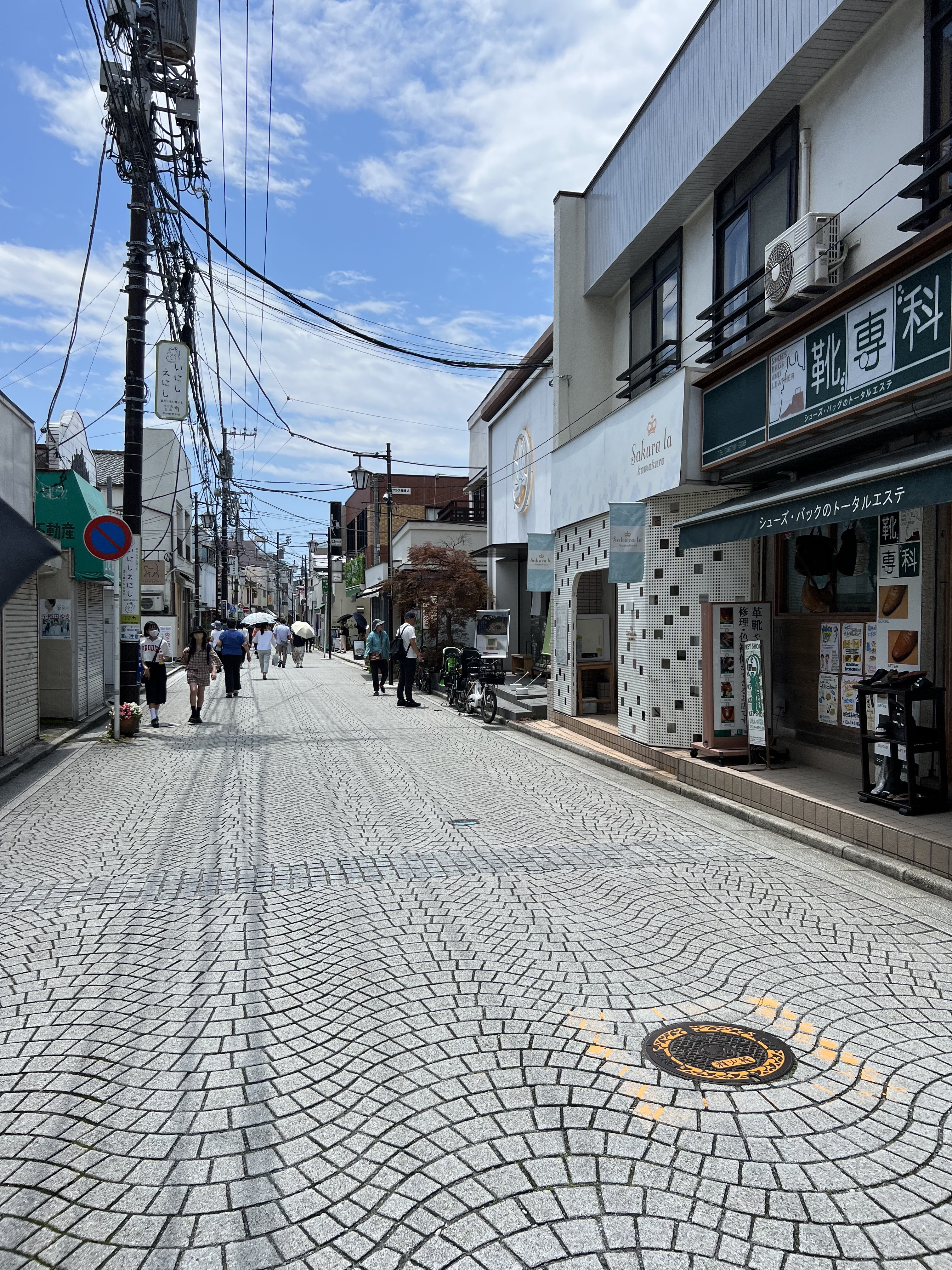
Our goals on this day were to visit temples and shrines as well as hang by the beach. Once off the train most looked for food. This search was fruitful and many found restaurants of exceptional quality (Not an exaggeration). I’ll post more information on those places as I gather all of the details.
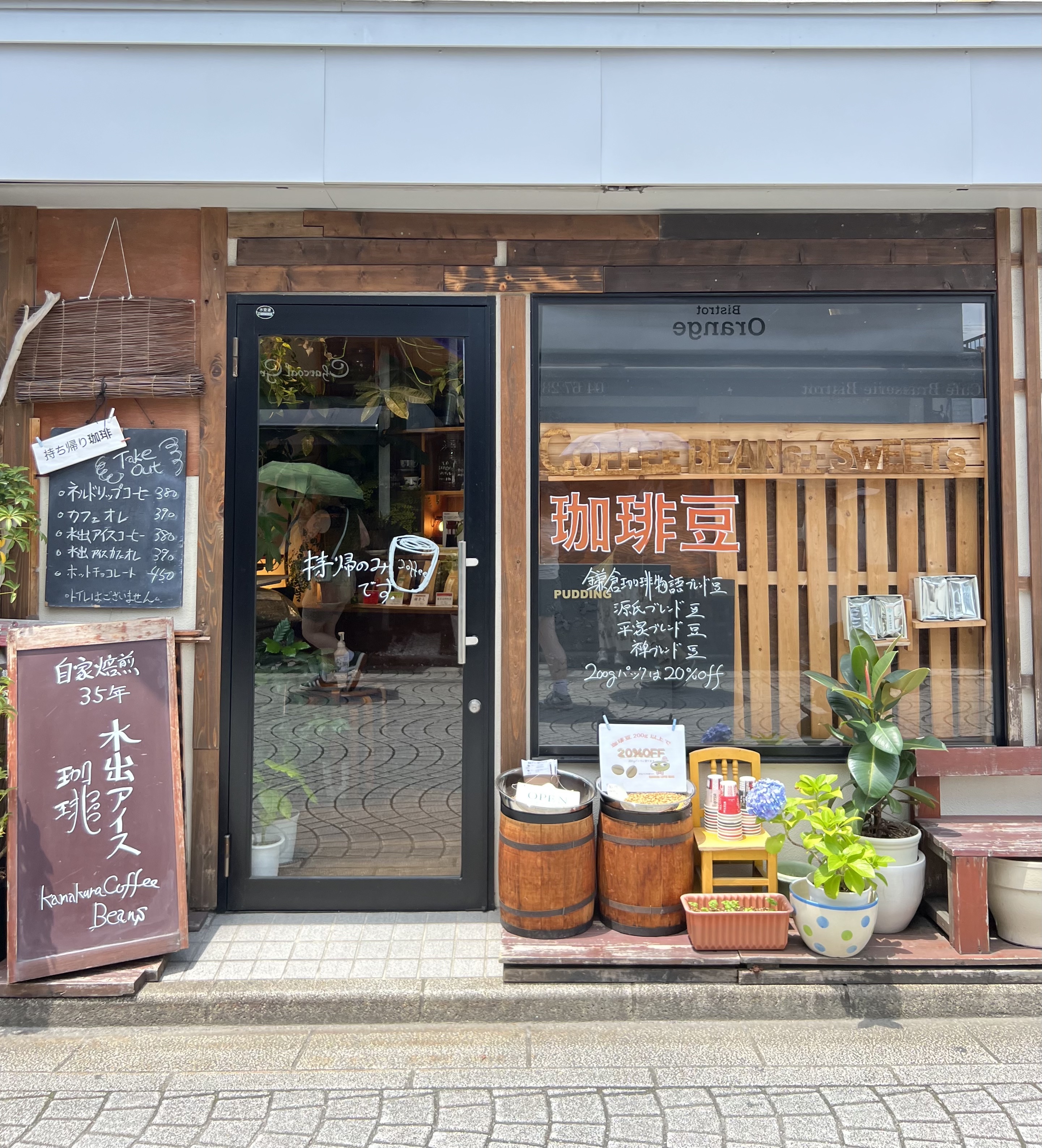
One particular spot grabbed our attention and with just a few stools and a small bar, we wandered into this ramen shop filled with some questions and got some answers. First thing’s first: for many people just visiting Japan for the fist time from the US or the West generally, some folks have an overwhelming urge not to wander into small restaurants or shops and engage with the staff. Especially if you don’t know anything about the language, it’s a bit intimidating to just try to communicate. Overcoming that fear and meeting shop owners regardless of your or their language skill is worth the effort and your discomfort.


In this case on this day, my Japanese failed me as I tried to understand and be understood. No matter, the kind chef and his partner guided my daughter and I through the ordering, thankfully supplying us with a tiny picture book of choices. These choices LOOKED THE SAME…and I knew enough to know the difference between broths (which was the main distinction in this ramen shop). We ordered and were served a wonderful bowl of ramen….then a few minutes later, more of our group wandered in, seeing me sitting there, and joined in the revelry. In just a couple of minuted, these bodies filled the space and made some hilarious mistakes like ordering ramen with no broth and looking strongly at the order….I helped correct the problem and soon we were all eating great food.
Of course, it didn’t stop there. Other groups found a French cafe and the meal was outstanding according to those folks. They commented on the amazing quality of the food, the conversation in French with the staff, and how amazing it was to find this tiny place in this small town (more specific information to follow).
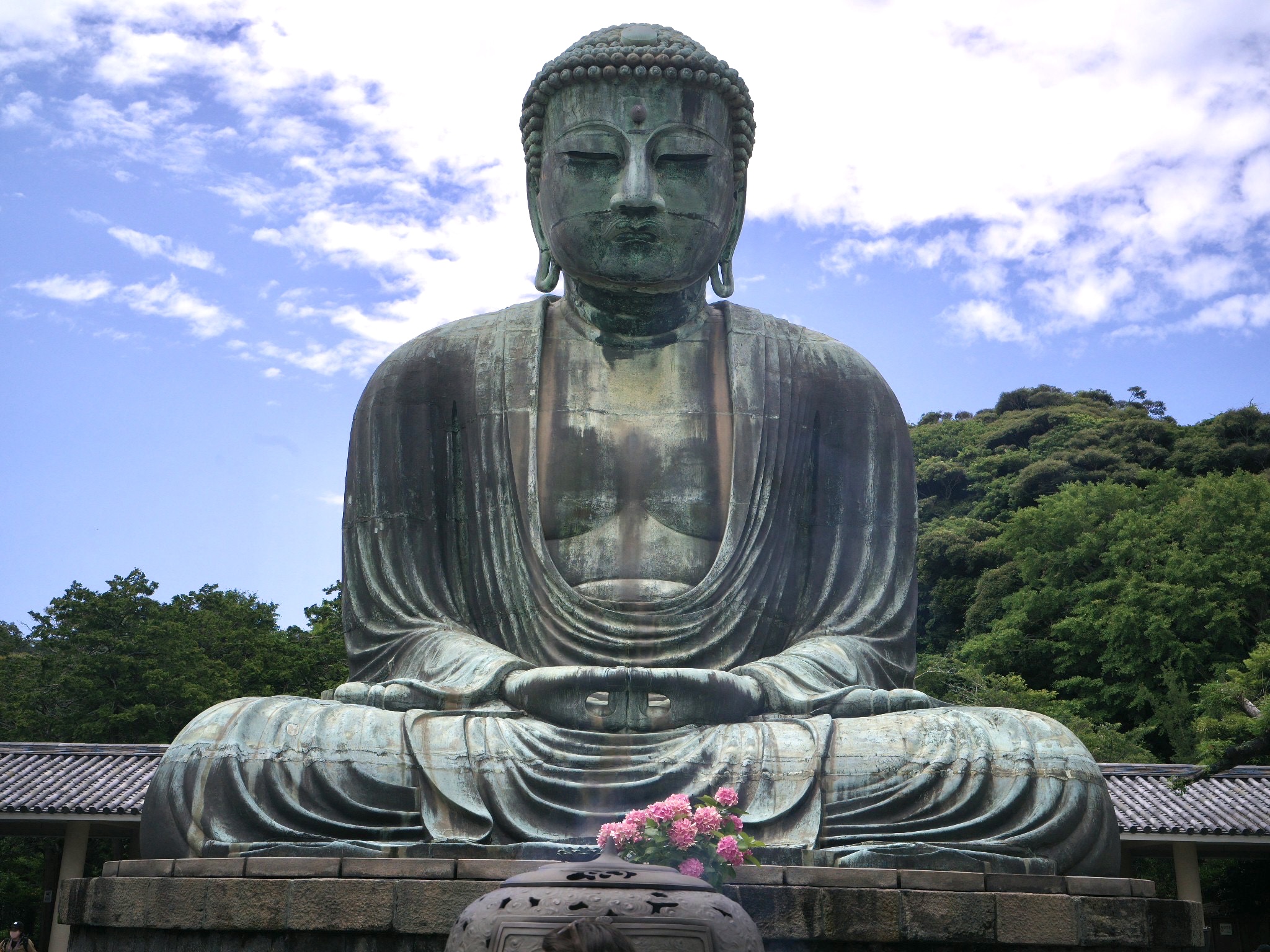
Once we had filled our bellies, we walked the 2000 meters or so to Kotoku-in, the home of the Daibatsu or bronze buddha. When you walk into the courtyard of the entry area, you have no idea what you’re going to see in just a few seconds; there’s no real view of the Buddha from this angle and its size is hidden by the trees. Grabbing a ticket at the ticket counter (300 yen), you walk past the guard station and slightly to the right. The path opens a bit, and just around the corner the Buddha comes into view. It just feels massive. It’s not that it is so tall that you sit in awe of the spectacle like seeing a cathedral dripping with stained glass and enormous columns; here the buddha is more subtle and present. You have this sense of a place in which, about 1000 years ago, a tsunami swept the building away, leaving the buddha and its pedestal intact. Imagine THAT scene after this terrible event and finding the remains of the temple destroyed onto to see this bronze sculpture sitting firmly on the ground. A powerful message if there ever was one.
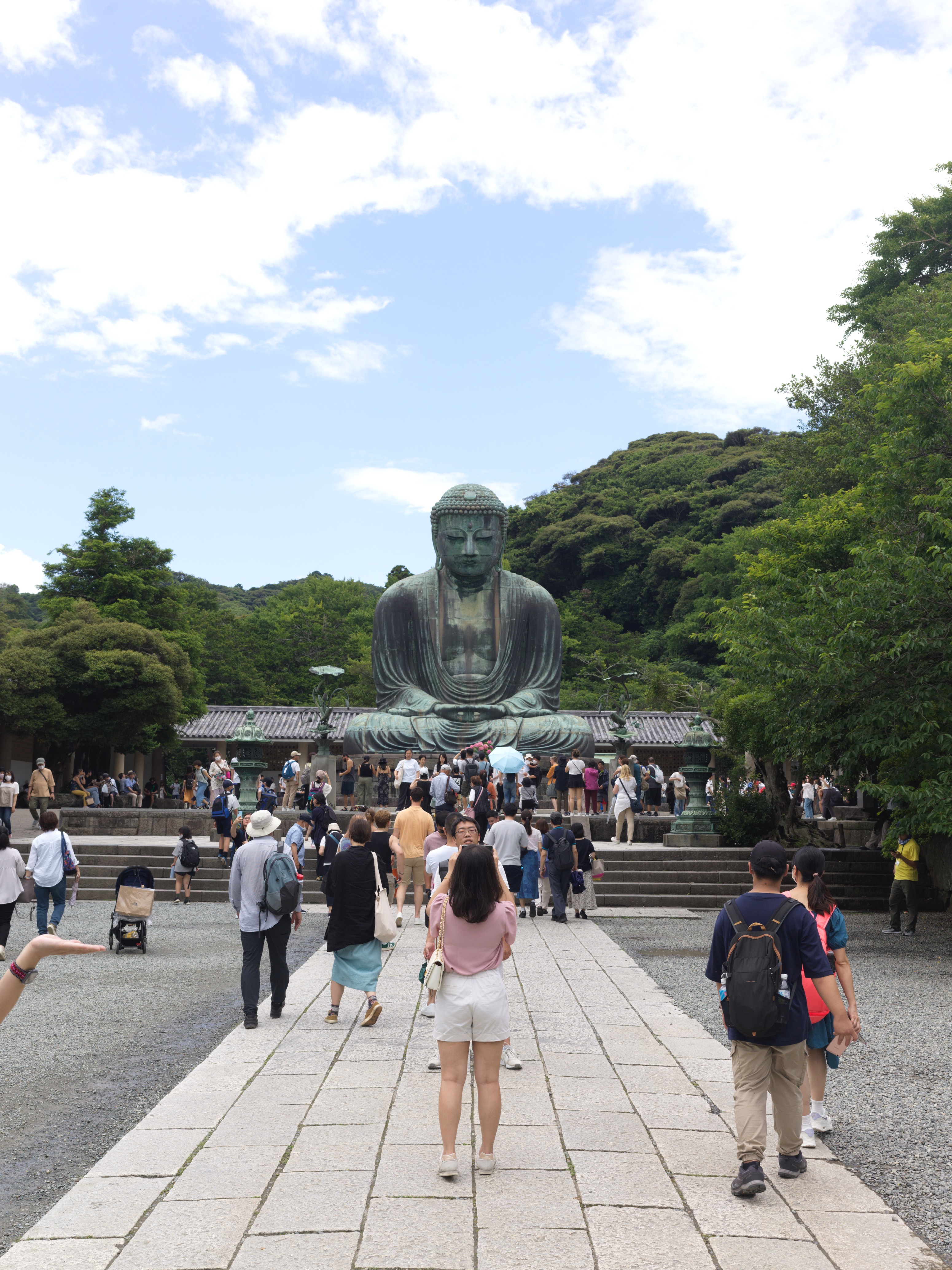
From there our group fractured: the beach crew and the temple group headed in slightly different directions. I led the beach group and Sutherland, our intrepid chaperone, guided the rest to other shrines and temples (more to come on this adventure).
Our beach trip was, unfortunately, not a worthy followup to the Daibatsu. Once we made it to the beach, we found the shore strewn with broken glass bottles, bags of trash, partially opened, and many kinds of junk including wood, hay, broken toys, and plastic bags. We were disappointed, especially considering that we hoped to just put our feet into the Pacific. Just north of us were surfers in the waves, and there would be no sitting on this shore, or, indeed, walking barefooted along the edge of the water. This revel was really surprising knowing the nature of Japan and the heightened sense of care in outdoor spaces. I cannot account for what we saw. It was great to walk down to the ocean and imagine the expanse of the Pacific and we left quickly, wandering back to Kamakura Station.
If you’re wondering how long to stay in this small town, I would argue for a full day and a night. There is so much to see and if your walking legs are happy, just walk. Walk the Daibatsu trail; walk to the temples in the forest, walk to every place you can. Avoid the busses, if you can, and stop into a coffee shop (there are many), and sit and be present. This town begs for you to linger…a bit longer and bit more…
Thanks for reading.

 gentryfunkblog